Geocachers Save Two Women Stranded in Desert

Geocachers Roy Joseph (Rojo464) and Paul Fox (Pauleefox) drove through the rugged desert of Eastern Utah searching for five geocaches on Tuesday the 17th of August.  But they never made it past their second find.  What they encountered instead led to grateful tears and news headlines.

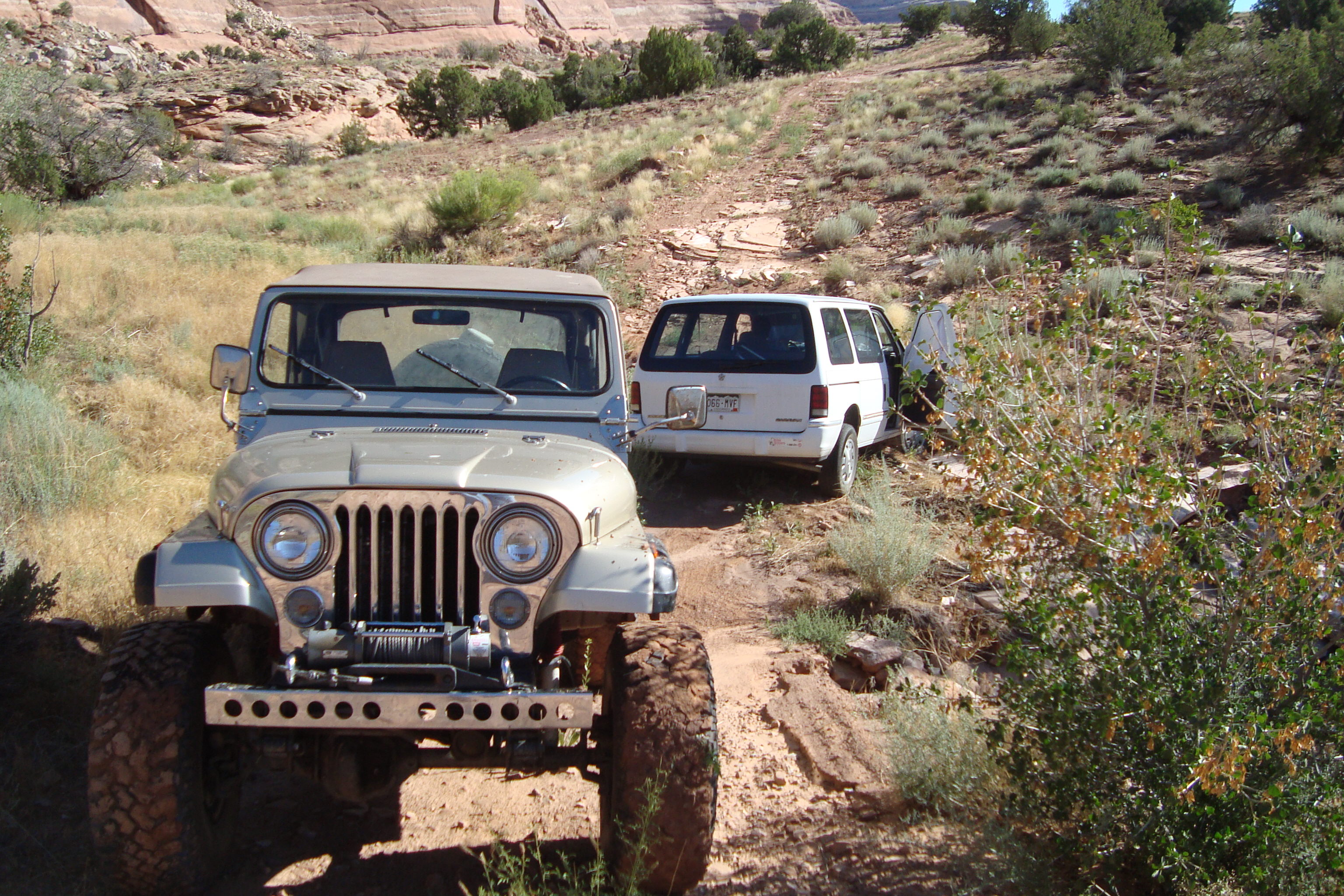
Roy and Paul had finished finding their second geocache and were looping around for a third – called “Bugy Softwear” (GCGMJT). The area of the desert that they searched is referred to as the Dolores Triangle.  It’s one of the most barren regions of the United States. The average temperature in August bakes the cracked ground at nearly 100 degrees F (38 C).    Bumping along in Roy’s jeep the two men stopped.  Just head of them, a mini-van sat wedged into the sandy soil.
Desert rescue

Paul says, “We saw the van in the gully from the road above it. Out here a vehicle in that position is either abandoned or there is somebody in need of help. Either way we needed to check it out.”

Roy adds, “When we first saw the car we could tell it was stuck. But it looked odd with the towels over the sun visors.  We were concerned with who might be in the van.  With it being in such a remote area we knew we had to make sure the occupants could get back to town.”

They drove the jeep next to the stranded vehicle.  Two women looked out. Roy says, “When we stopped beside the van the daughter said ‘Thank God’ and then started crying.”  A mother and daughter had been stranded in the van for two days.

Roy Jospesh (Rojo464) and his wife Linda

Roy says he’s prepared for geocaching in the desert and they were able to offer immediate help: “I have a backpack I carry with water, snacks, SWAG, a first aid kit, a short rope, and batteries.  In the Jeep I carry tools, spare parts, a tow strap, a first aid kit,  a fire extinguisher, extra water and some blankets.”

This wasn’t his first encounter with someone needing help, but never before has the situation been this dire. “We have helped strangers get unstuck, hauled a bicyclist to the hospital, given water to hikers, but this was different – both these two women could have died.” After the rescue, the mother and daughter will be okay.

Paul says the situation is a first for him: “In my 64 years I don’t believe I have ever been in a position to rescue damsels in distress before.”

Paul Fox (Pauleefox)

Both Paul and Roy have been geocaching for at least three years.  As the news broke, the reaction from the geocaching community flooded their email in-boxes. They say comments like Nancy Nagel’s post on the Geocaching.com Facebook page hit home. She said, “I always say that geocachers are the nicest, kindest people! I am so proud!”

Roy says, “We, too, have met some really nice people while geocaching but I am really surprised at the number of e-mails I have received from them.”

Paul explains geocachers this way: “The geocachers I know and have met are not the type of people that I would be afraid to meet in a dark alley. It is always good to have  story to tell that puts geocaching in such a good light. Lots of people just don’t know what it is.”

Both say they’re  ready for more geocaching.  Roy says, “I like being in the great outdoors, the exercise and the places geocaching takes me.”

And no matter who or what they encounter, they’ll be prepared. Roy says he’s glad this unexpected encounter ended with hugs and heartfelt thanks: “We are just thankful that we were able to help the women before it became a more serious situation for them.”
Lessons from a $40,000 G.P.S. Device

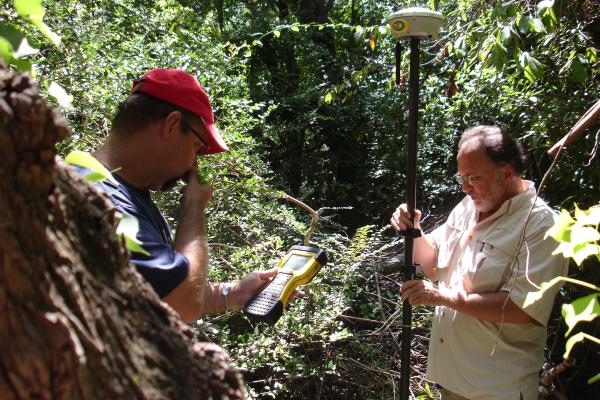
Sunshot99 and ATMA with the $40,000 GPS device

Geocacher Jib Ahmad, Sunshot99, makes his living as a land surveyor.  His GPS device is literally his livelihood.  A land surveying website lists the occupation as the world’s second oldest job.  But it now has some of the world’s most modern, technical and costly equipment.

A $20,000 dollar home in Pennsylvania, USA (not GPS-enabled)

Jib says that the GPS device displayed above costs about $40,000.

Let’s add a little perspective to the price tag.

With the slumping housing market, $40,000 will not just buy you one house, but in some parts of the world it’ll buy you two houses (or more).

Jib was kind enough to answer a few questions about the five-figure device. He says the Global Positioning System is one of his favorite subjects.

Jib says, “I am a land surveyor here in Texas and this is not my personal unit. I use it for work.  I have never looked for a geocache with the unit – only verified coordinates with it.”

He says that the device’s accuracy is certified at two to three centimeters on a horizontal surface.

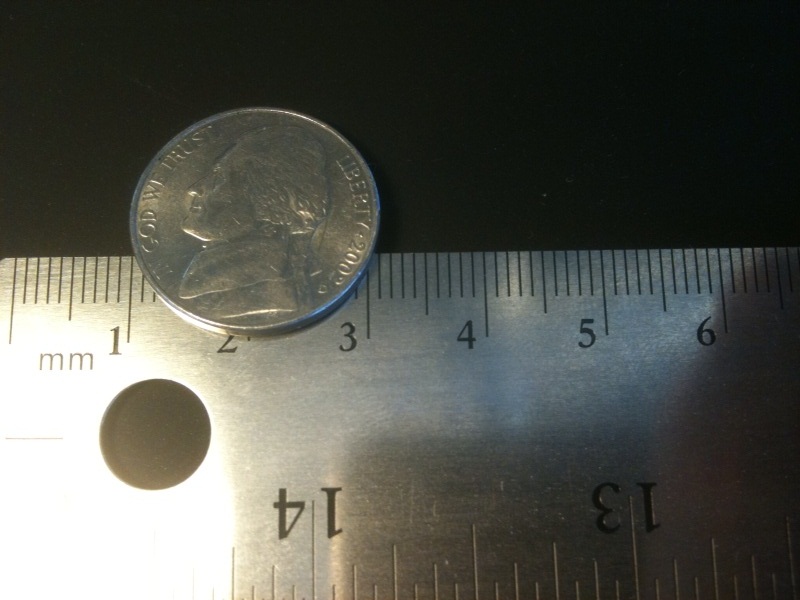
Two centimeters is about the width of a nickel.    Jib says he’s found the unit is generally even more accurate.

A nickel is about 2 centimeters across

He says, “This is a ‘survey grade’ system that would not be necessary or practical for most geocachers.”

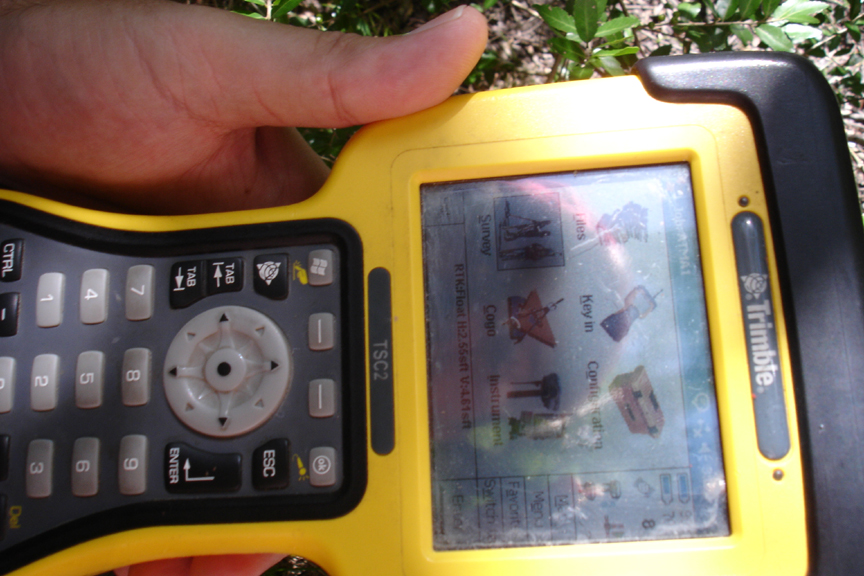
But in case you’re interested, he has details. A lot of details. Jib says the device is made up of a base unit and a rover unit: “The receiver I was using is a Trimble R8 GNSS with a Ranger TSC2 Bluetooth data collector.  The receiver has an integrated antenna that is capable of tracking 44 satellites.”

At this point you may say, ‘Well there aren’t 44 U.S. GPS satellites out there.’   You’d be right.  This GPS device can also track signals from Russian and European Union global positioning satellites.

Up close with a $40,000 GPS device

He says, $40,000 doesn’t buy you any more of a geocaching joy. “To search for a geocache that was placed by a handheld GPS would not be much fun with a ‘survey grade’ GPS device.  The coordinates would have the standard handheld error of about 3 meters or 10 feet.  So really it would not give the ‘survey grade’ geocachers an advantage over other handheld cachers.  But for those that would place a cache with ‘survey grade’ equipment, the normal geocachers should have better luck depending on the accuracy of their own handheld unit.”

And Jib has advice for you to get the most out of your GPS device: “Geocachers may find that they can get a better signal and accuracy range by simply moving their body around.  In North America, the best direction for the GPS system is to have a clear southern horizon.  So, if you are having trouble, move around so that the southern sky is more visible.”

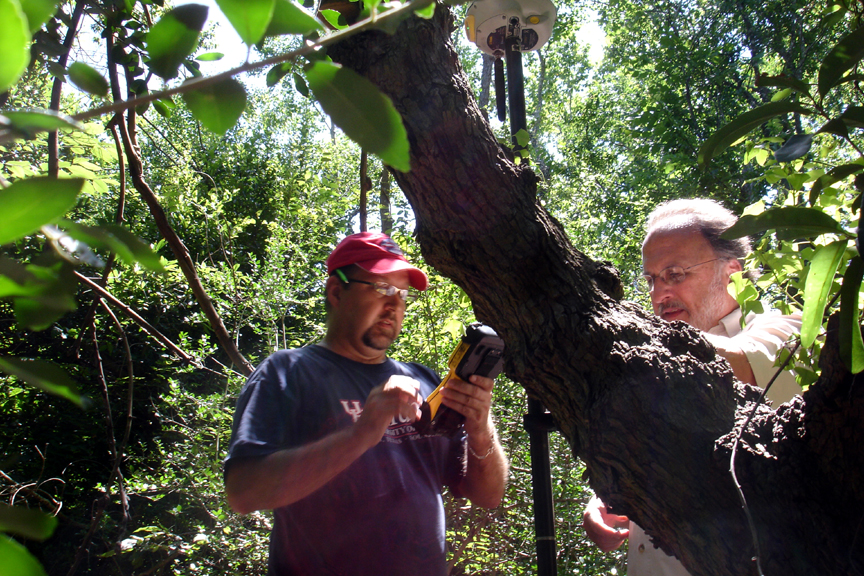
Sunshot99 helping ATMA establish coordinates for E - HABIT - Without Bed Bath & Beyond

He says his best advice is to know your own GPS device inside and out.  If you want to test its accuracy, you may have some luck in the Houston, Texas area soon.

Jib says, “I am in the process of getting permission from the U.S. Army Corp. of Engineers to set a benchmark/geocache in a Houston area park. The geocache will be a Mystery cache designed to show any cacher how to get different coordinates for the same point. Hopefully this will show them the standard error for their PND (personal navigation device).”

“Water coming down, Cacher climbing up” GCQYK6 GEOCACHE OF THE WEEK – 8/16/2010

"Water coming down, Cacher climbing up" GCQYK6

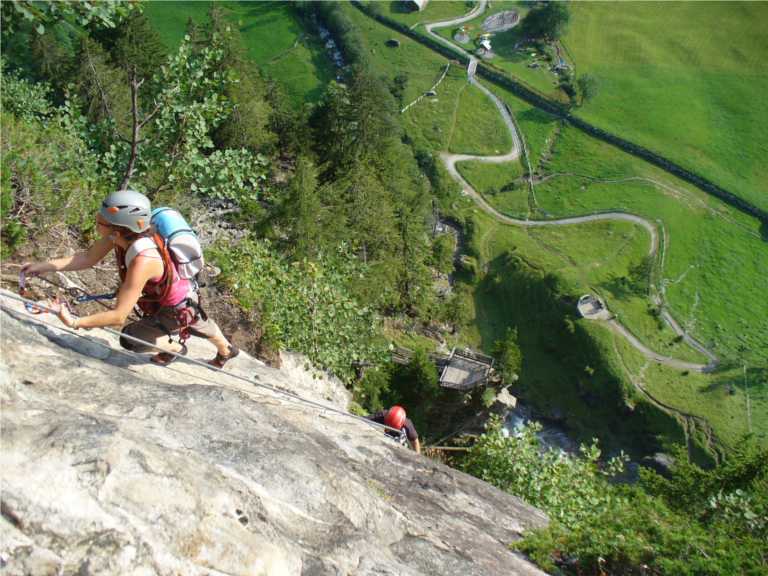
“Water coming down, Cacher climbing up” (GCQYK6) might define a terrain 5 geocache. Terrain is rated from 1 (most accessible) to 5 (most difficult).  The fixed-rope route is designed for advanced climbers only.  According to the cache owner, the route is said to be the most challenging climb in the southern Austrian state of Carinthia.  A helmet, climbing shoes and other pieces of specialized equipment are a must.

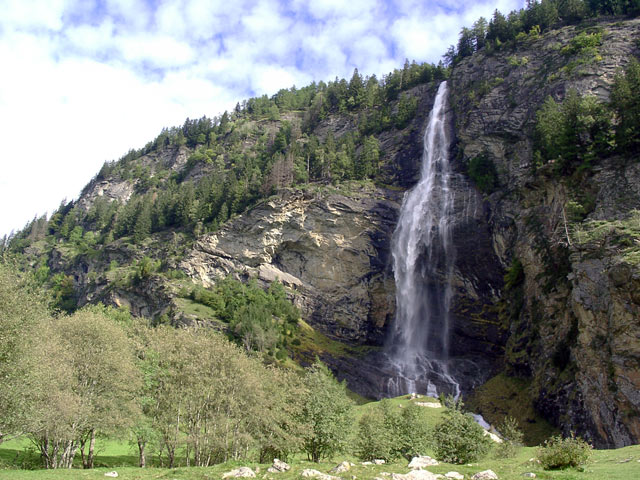
The view from the route of GCQYK6

Geocachers ascend the vertical face of a sheer rock cliff to reach the geocache.  The pictures below tell the heart-racing story and the majestic visual pay-off along the way.  The trek takes geocachers about two and half hours to complete.

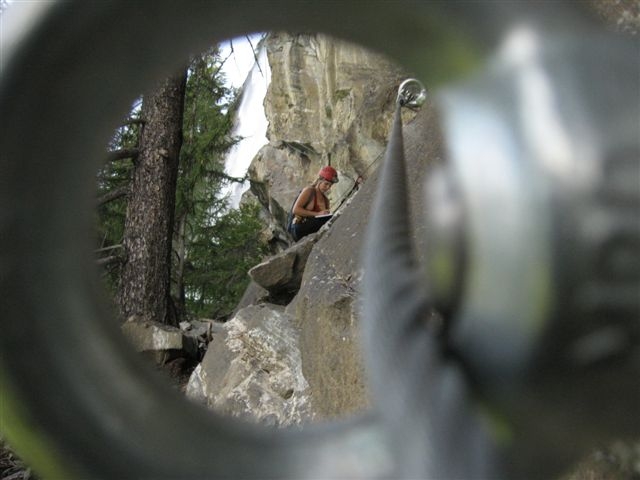
Along the route of GCQYK6

The Multi-Cache tasks geocachers to reach three waypoints before unlocking the code for the coordinates where the physical cache is located.

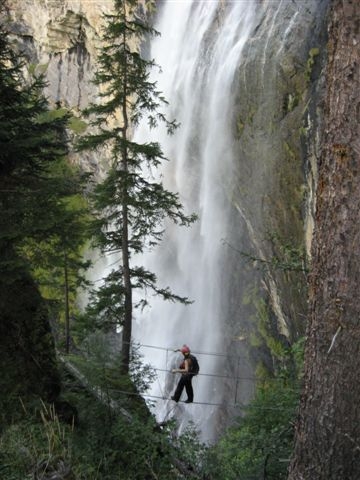
The route also treats geocachers to a rope bridge that dangles climbers over a deep gorge.

Waypoint along the route of GCQYK6

Paraszczak and Jurko hid the cache in 2005.  Geocachers who’ve logged the find call it one of the absolute highlights of their caching careers.  But only ten brave geocachers have logged smileys to date.

GCQYK6 is one of the oldest terrain 5 caches in Austria.  When it was placed, there were fewer than ten terrain 5’s in the country. Now, there more than 250 Terrain 5 geocaches in Austria.

There are now more than 1.1 million geocachers in the world.  But only a fraction ever become Geocaches of the Week.  Explore the all the Geocaches of the Week here.

“Geocaching has Kept Me Safer” Geocaching.com’s Lost & Found Video

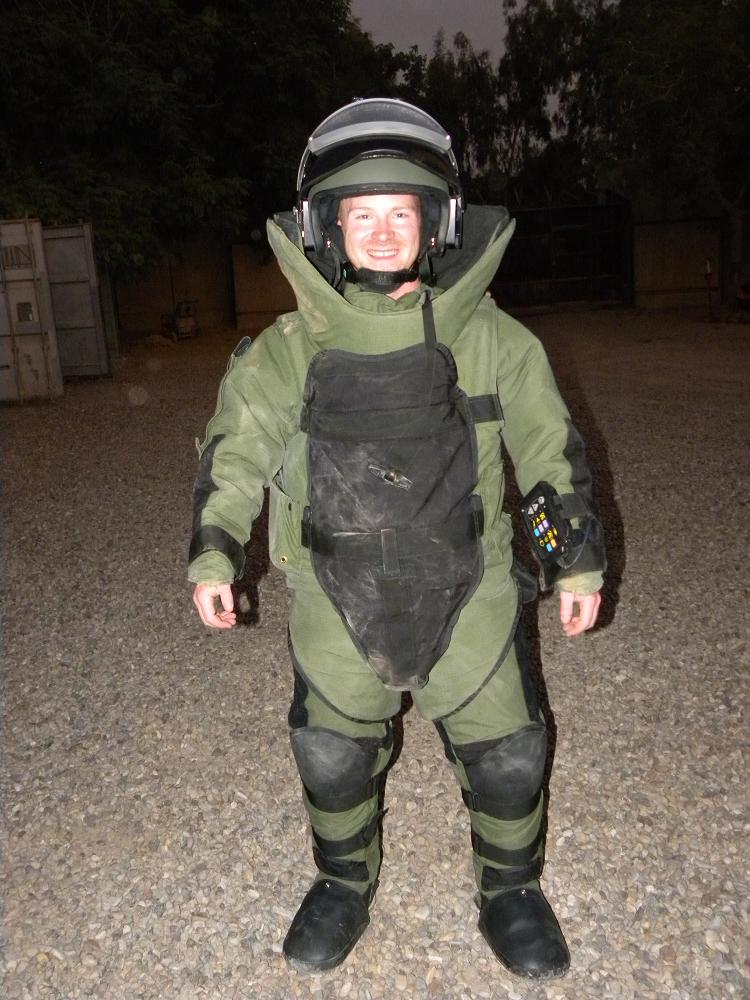
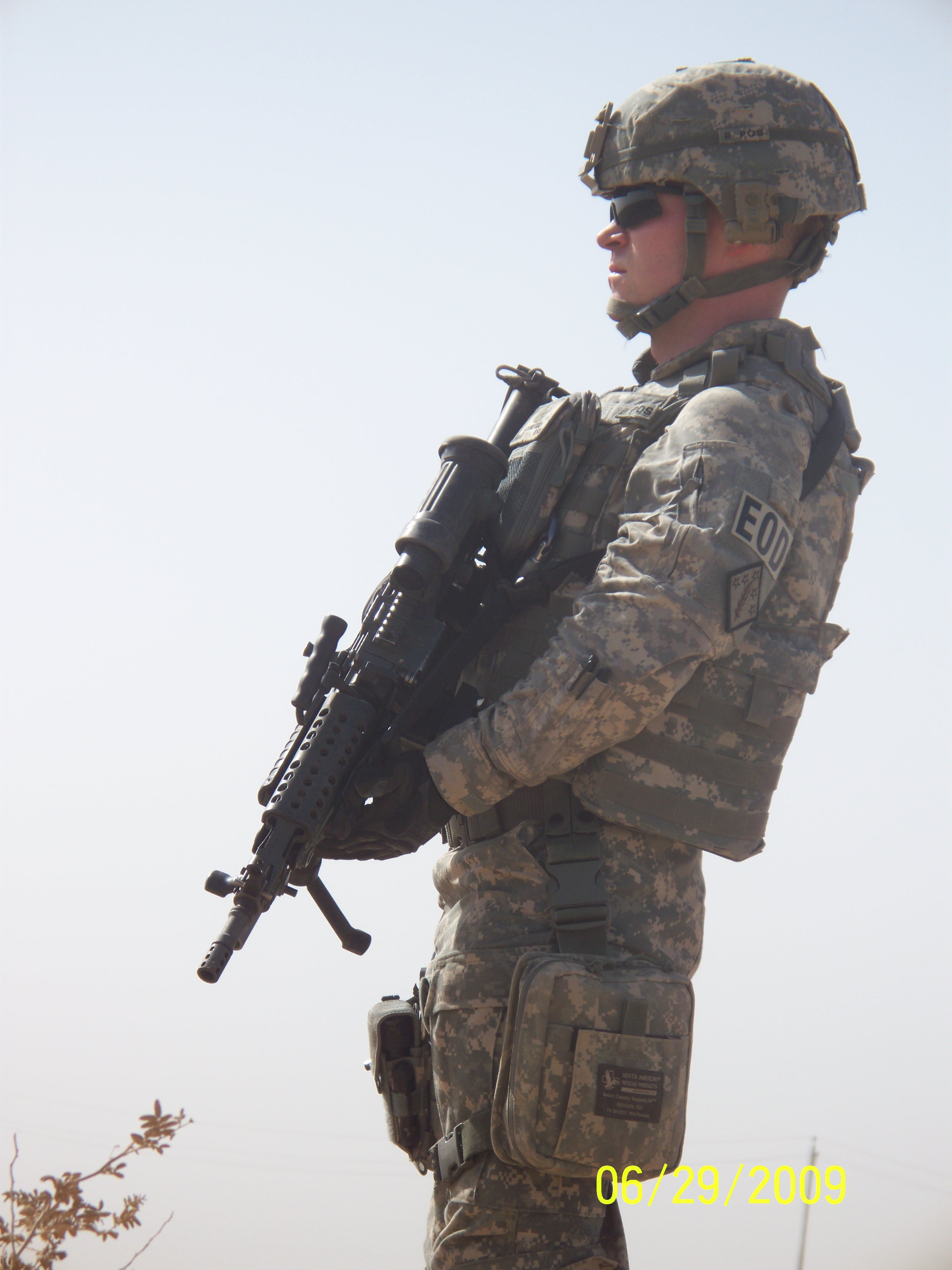
Sgt. Kent "Doc" Byrd in Iraq

Kent “Doc” Byrd is known as JrByrdMan162 in the geocaching world. In the United States Army he’s know as Sergeant Byrd.

He’s a member of an Explosive Ordinance Disposal unit. He defused bombs, including improvised explosive devices (IEDs) as part of the Army bomb squad.  He just returned from a one year tour of duty in Iraq.

Sgt. Byrd has been geocaching since 2005. He says the skills that geocaching instills — situational awareness, an eye for the unusual and quick detective work — help keep him safe when he’s finding and defusing bombs.  Sgt. Byrd believes that other  members of the bomb disposal community can learn to sharpen their awareness and stay safer through geocaching.

See his story above. Click  here to watch more Lost & Found videos highlighting unique geocachers and the worldwide adventure of geocaching.

“Kilimanjaro Lava Tower” GC25W5D GEOCACHE OF THE WEEK – July 18th, 2010

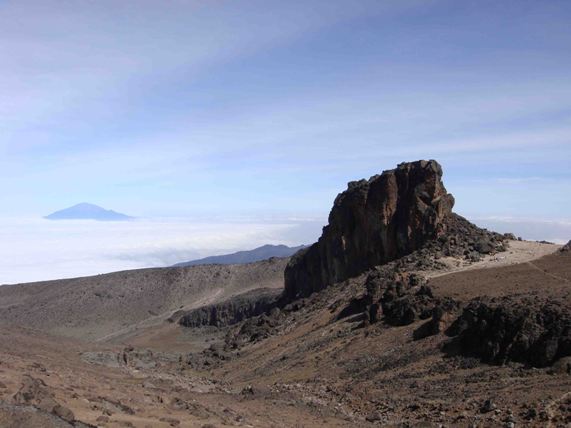
Kilimanjaro Lava Tower (GC25W5D) is an EarthCache three million years in the making.  KDubs created this EarthCache and two others on the mountain.    Kilimanjaro Lava Tower (GC25W5D), Kilimanjaro Climate Zones (GC1X8Ao) and Kilimanjaro Glacial Sublimation (GC29PKY) all wait for visitors to answer their EartheCache questions.

Lava Tower


Kilimanjaro’s summit reaches 19,342 feet (5895 meters) into the clouds.  The Eastern African mountain rose about three million years ago during the formation of the Great Right Valley. Kilimanjaro Lava Tower (GC25W5D) requires you to answer two questions about this rock tower, from one of the three volcanoes which comprise the mountain.

Kilimanjaro Climate Zones (GC1X8A0) asks you to take a photo in each of the five climate zone on the mountain.

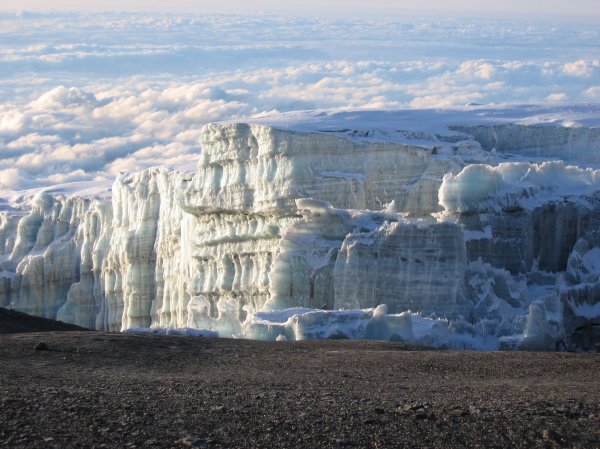
Kilimanjaro Glacial Sublimation (GC29PKY) challenges you to explore the fading glaciers of the mountain.  You need to answer three questions and provide a photo.

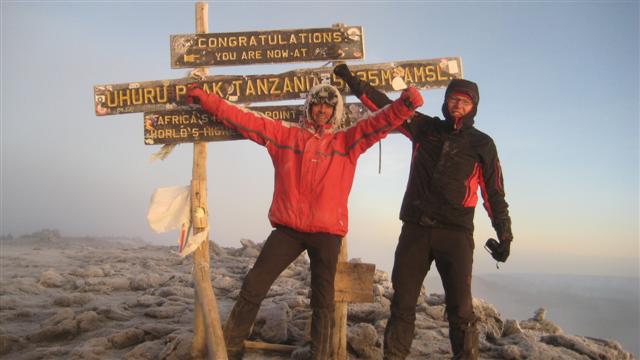
Geocachers at the summit of Kilimanjaro
Glacier on Kilimanjaro

Today, adventures hike up the mountain in the thousands.  Geocachers stop along the way to claim EarthCaches, learn about the mountain, the forces that formed it and the glaciers that still crown Kilimanjaro.

Explore other Geocaches of the Week here.