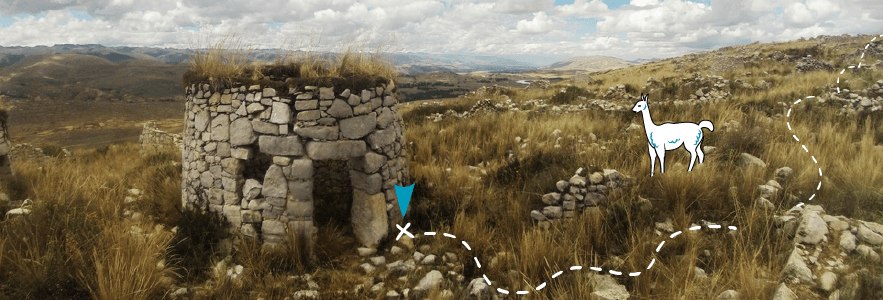
Alane Brown created the In the Andes of Perú GeoTour. It’s the first GeoTour in South America and it very well may be the highest GeoTour on Earth, climbing more than 13,000 feet (4,000 meters) above sea level. The GeoTour is one of more than two dozen GeoTours around the globe.
Here are Alane’s answers to questions from curious geocachers:
- Why did you create this GeoTour?
I’m a Peace Corps Volunteer assigned to one of the small towns in the Yanamarca Valley. (My town is Marco, population 1,700 and dropping.) I’m in the Environment program. We’re here to find ways to work collaboratively with local people to improve awareness of the value of the natural environment and also to improve environmental conditions. The local environmental action group and I decided that a GeoTour would be a creative way to do both of those things. Local people are learning more about their own natural resources as they come together to work on the GeoTour. We’re also including environmental action projects in the tour. We placed geocaches in areas where problems exist and also at local success stories, such as reforestation projects. And, of course, if this eco-tourism project improves the economy in this low-income area, that should lead organically to more interest in caring for the valley.
- It seems like geocaching in the Andes embodies the spirit of exploration. Why might this be the ideal place for geocaching?
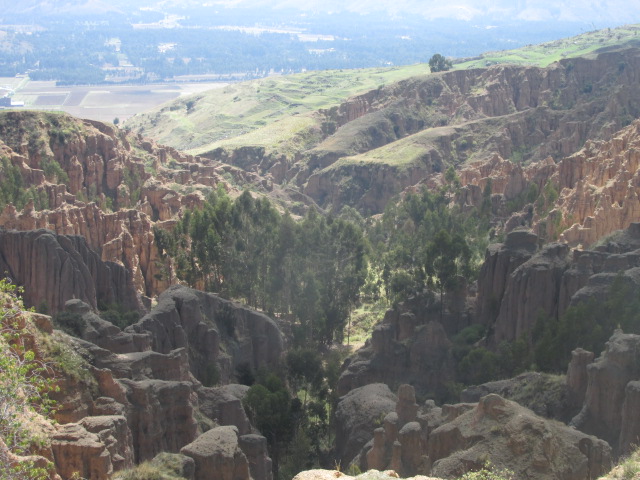
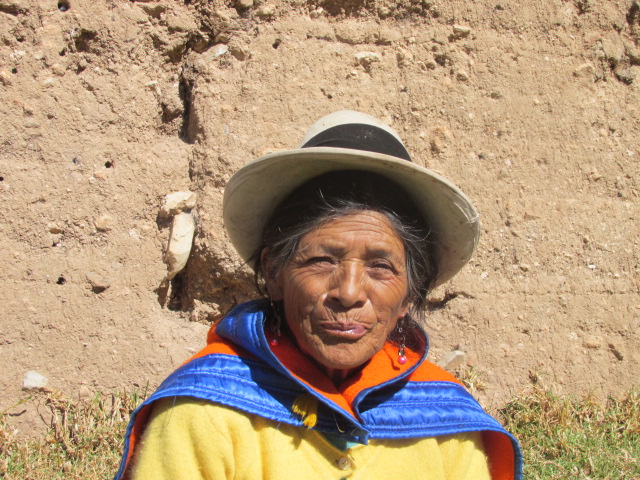 Geocachers like a challenge! The Yanamarca Valley floor is at 11,300 feet above sea level, and the surrounding hills go up to 13,000 feet. You’ll explore all of that. We recommend spending the first day walking or biking around the valley floor if you need to acclimatize to the altitude. It’s a lovely area to explore. Over 90% of the buildings are traditional adobe with red tile roofs. Farming is the center of the economy. You’ll see grandmothers in their colorful mantas watching their sheep, pass fields of quinoa, and complete a challenge that will take you to 10 brightly-painted neighborhood chapels. This area is bursting with genuine Peruvian folkways, and as a geocacher, you’ll see it all up close. Above the valley floor, you’ll hike into the hills to find archeological sites, interesting rock formations, and lovely views of the distant Huaytapallana glacier. This is a great location for geocaching because here are so many little delights to be discovered, that you would definitely not come across without geocaching.
- What will geocachers discover on the Andes of Peru GeoTour that they might not expect?
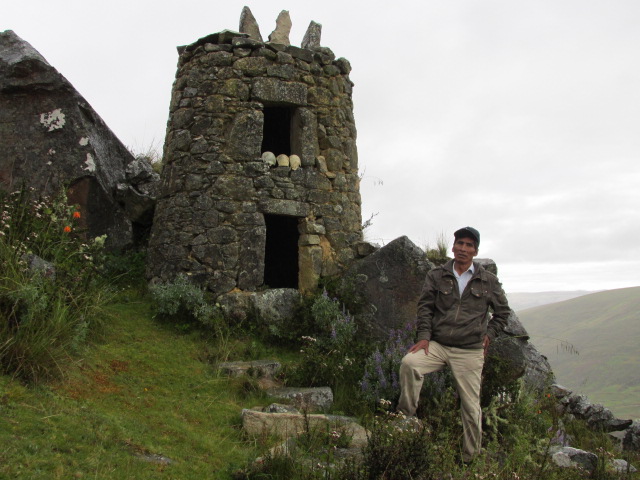 When people think of Peru, they think of Machu Picchu and the Inca Empire. Over the span of the history of the Andes, that was just the blink of an eye, less than 100 years. Before that, there were hundreds of cultures spread like a patchwork quilt across the Andes. In our valley and the surrounding hills, it was the Xauxa culture. I’m from the American Southwest, and the Xauxa culture is very similar to the Ancestral Puebloan (Anasazi) culture. Lots of little stone buildings remain to tell the tale of a vanished civilization. In this tour you’ll build up a picture of these people as you visit the remains of their towns, roads, aqueducts and graves. You can even hire a local shaman to do a traditional ceremony with you to thank the ancient spirits for letting you explore these sites.
- What do you hope is the response to the GeoTour?
 We hope that people from around the world will visit us. Many people here take their home for granted. Seeing it through the eyes of visitors will help build local pride. This valley is in the lowest 25% of communities in Peru, economically. If you visit us and spend a little money in the valley, that truly matters for us. Young people are migrating out of this rural area. A little bit of tourism income might entice a few of them to stay. We’d like to see a small but steady stream of visitors. We don’t want to become Machu Picchu—a GeoTour is a perfect way to generate some light tourism without destroying the traditional way of life of the valley. We’d like to have some friends from around the world stop by to share the gentle beauties of our home.
- What else do geocachers need to know?
My Peace Corps service runs through the end of 2014. Over the course of this year, the local committee and I would love to get input from our pioneer visitors. Please join our Facebook group and let us know when you’ll be here. Maybe we can meet so we can give you some pointers…and you can give us some suggestions!
[youtube:https://www.youtube.com/watch?v=0XdtSjHd1iw#t=23]