By Dani Navarre
Mother of Father’s Day
Each geocache you find has three essential stories and you’re one of them. Remove any of the three parts and geocaching, well just isn’t geocaching anymore. The three parts of geocaching are the location, the hider, and the finder. Of course there’s many more parts to the geocaching experience, but these three are the essential ingredients to any geocaching adventure.
It’s the location that brings us somewhere undiscovered or overlooked, the hider whose lightbulb idea brings the geocache to life, and it’s you (the finder) who makes geocaching an adventure. In order to best describe this recipe for geocaching success, we’ve zoomed in to look at geocaching through a microscope. We’ve taken one out of the 2.7 million geocaches around the world to explore this idea of the location, the hider and the finder to celebrate 15 years of geocaching, which started with a location, a hider, and finder 15 years ago in 2000.
Geocaching exists where these three storylines intersect. It’s a nexus where the story of the geocache hider collides with the story of the location where the geocache is hidden. Then each find of the geocache is another chapter. Geocachers discover the geocache and add their own chapter, and so on and so on. It’s happened a lot in the 15 years of geocaching. In fact… Did you know: We’re approaching 500,000,000 “Found it!” logs. This is a picture of 100,000,000 stars to give you an idea of how big 500,000,000 is.
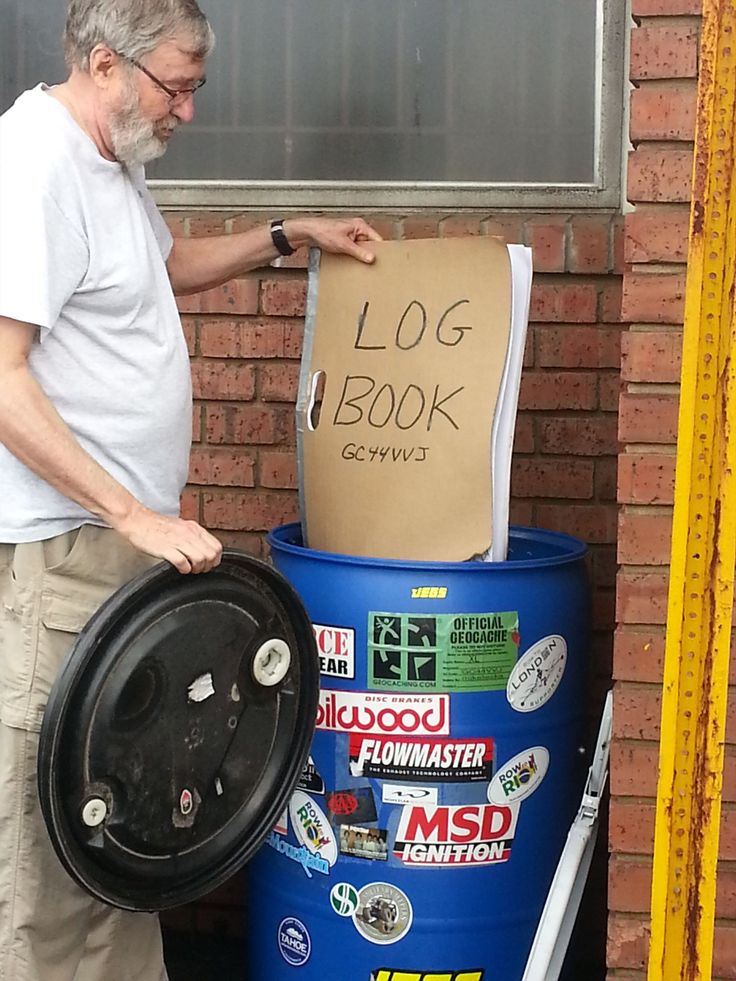
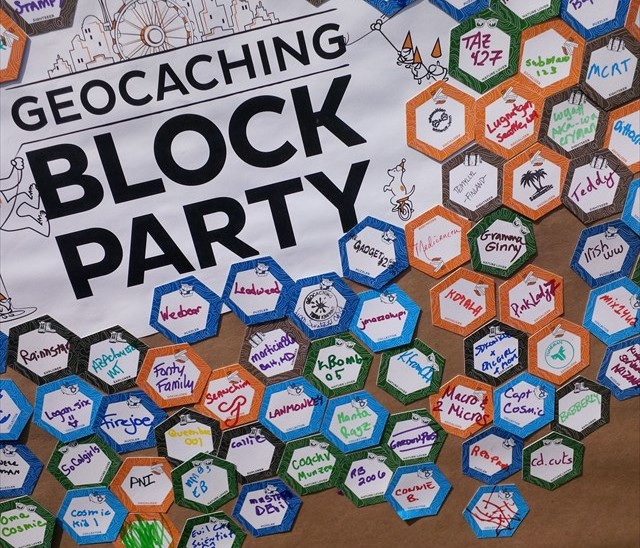
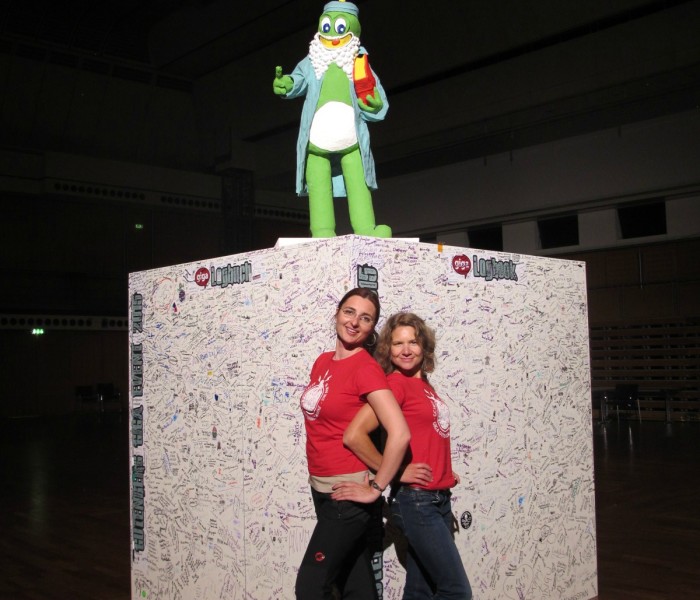
Even though geocachers are separated by time and distance, when a geocache and its location become a meeting point for colliding narratives, geocachers are able to add their experience to a growing community experience. Despite taking different paths to get there, by holding a cache’s log in your hands and signing your name, you contribute to the ever growing cache narrative. An exploration of one particular geocache reveals how the stories of the location, the hider, and the finders meet.
Location
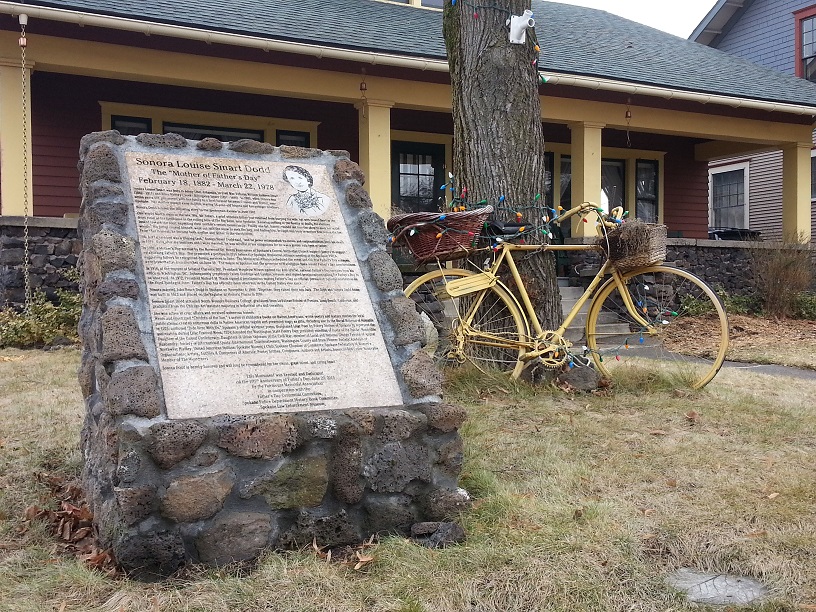
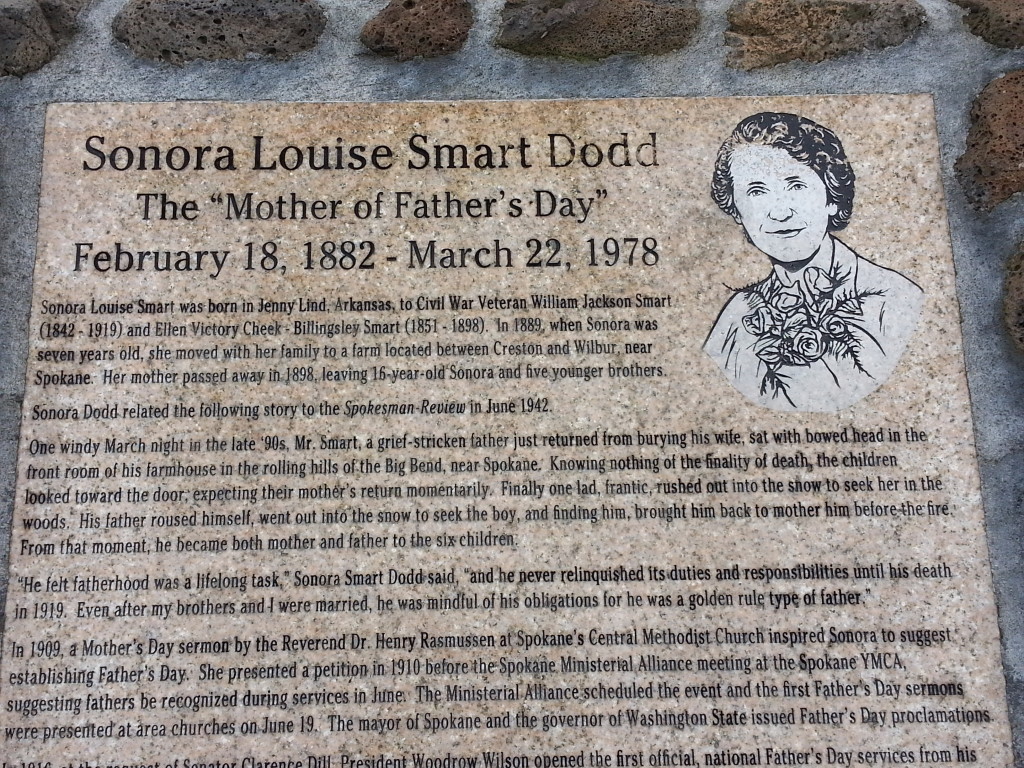
Location is the backdrop to every geocaching adventure. In some cases, it’s not the geocache you remember years down the line, but where the journey to find it took you. In the best geocaching adventure, you remember both the journey and the location. A side street in a small town in the U.S. state of Washington offers both, and a history lesson. At a private residence in Spokane, Washington stands an unmistakable stone monument, which often draws the attention of pedestrian passerby near the busy street. It is not unusual for cars to slow down to catch a glimpse of the plaque that highlights a story unique to Spokane’s history. However, little do they realize that they are actually passing a geocache as well. The monument adorns the residence of Sonora Smart Dodd, Spokane native and founder of the national holiday, Father’s Day. Dodd’s mission to honor her own father is now celebrated annually around the globe.
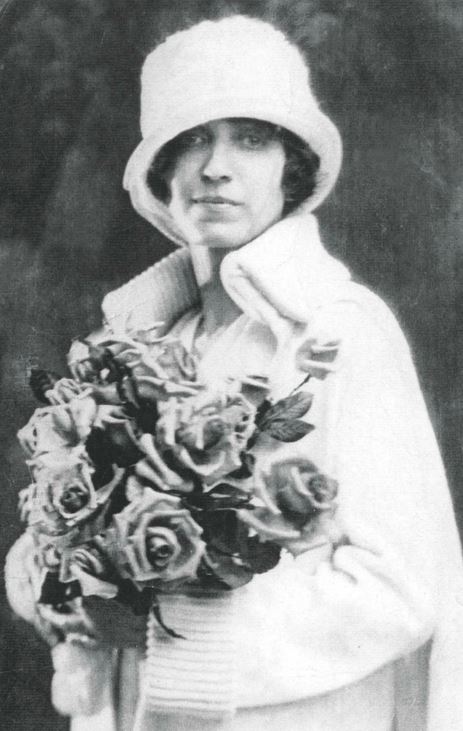
Thanks to the work of the current homeowners, Jerry and Bev Numbers, the house was placed on the U.S. National Registry of Historic Places in 2010, and the moment was erected the same year. The couple purchased the home in the 1970s from Dodd and rented it until they were able to move in permanently several decades later. Now the foyer of their home acts as a small museum dedicated to Dodd, featuring her artwork and family heirlooms.
Jerry and Bev joke that they have become adopted members of the Dodd family. They extend that same family feeling to anyone who knocks on their door, welcoming geocachers and visitors alike to view their treasures.
Few passersby realize that there is more to this plaque than meets the eye. “Mother of Father’s Day” GC2CFF6, is a geocache hidden nearby that pointedly commemorates this piece of Spokane history. When the homeowners were first approached by geocache owners, Bikely and Wifely, with the prospect of hiding a geocache, the two were intrigued. Although they had never heard of geocaching, they thought it would be “a great opportunity for people to find out a little more about the history of Father’s Day.”
Over the past five years, the small geocache has proven to delight and surprise its finders with its unique story. The owner exclaims that the geocache has “been a great learning tool, not only for geocachers, but for people stopping by on a very regular basis. Sometimes it’s almost daily, sometimes it’s several times a week. A car pulls up, some people sit in the car and read the monument, some get out and walk up to it. A host of different people though.”
Over the years, Jerry and Bev have encountered geocachers on a regular basis and greet them whenever they are home. From large groups to lone wolves, to families with young children to active seniors, each group and individual bares an original story that brought them to the geocache location.
Their favorite pastime is to watch the children set free by their parents to search high and low for the nearby treasure. Most importantly to the homeowners, the geocache has kept the history of Father’s Day alive in the community, especially among the younger generation.
The Hider
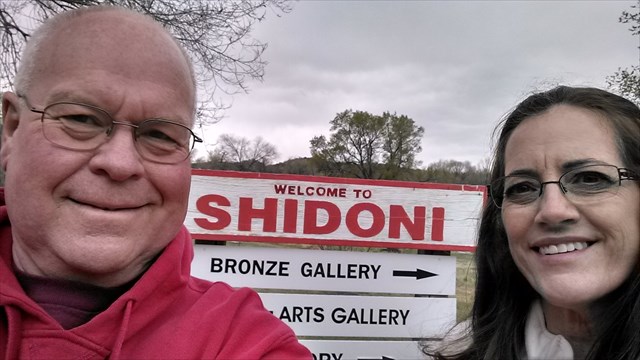
Geocache Owners Bikely and Wifely, a husband and wife team, hid “Mother of Father’s Day” in the summer of 2010. Bikely, an active geocacher since 2004, is the owner of numerous popular geocaches in the Spokane area, with “Mother of Father’s Day” being one of his most popular. Bikely’s inspiration for this particular geocache came after first noticing the geocache location on his regular bike ride. Passing by the location so frequently, he already knew a little about the house’s history. It was the newly placed stone monument that helped him decide that this spot would be the perfect location for a geocache.
However, what attracted Bikely most to the Dodd home was not the location’s history, but the homeowners. What impressed Bikely more than Dodd’s story was the homeowner’s dedication to preserving this rich piece of history. Using their own time and financial resources, Jerry and Bev extensively researched the home’s history and Dodd family tree. For a time, they even hired their own researcher to dig deeper into the home’s legacy. Thanks to their hard work, the home was placed on the National Registry for Historic Places list in 2010, and remains the only private Spokane residence to do so.
The geocache also gained the attention of a local Spokane Reviewer reporter. Having seen his fair share of geocaching dos and don’ts, the journalist felt that “Mother of Father’s Day” was an example of a thoughtful and quality geocache. What he admired most about it was that it brought geocachers to a location with historical significance, as opposed to being “yet another streetlamp” geocache. Indeed, the sensation of discovering a unique part of history and the creativity of the location make “Mother of Father’s Day” a truly memorable find.
Finders
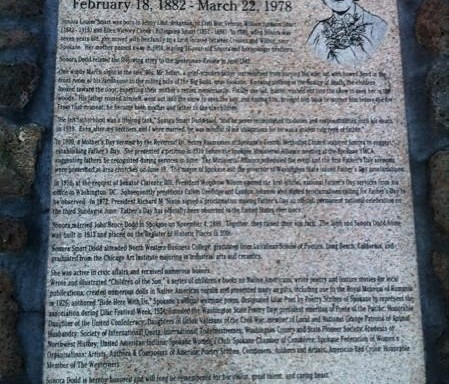
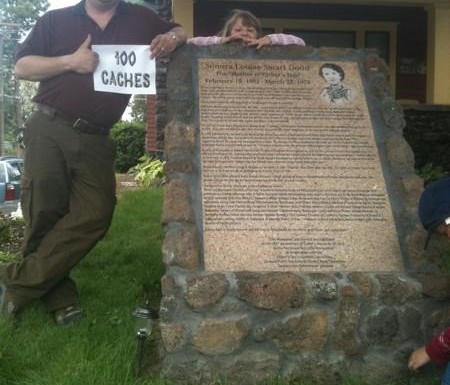
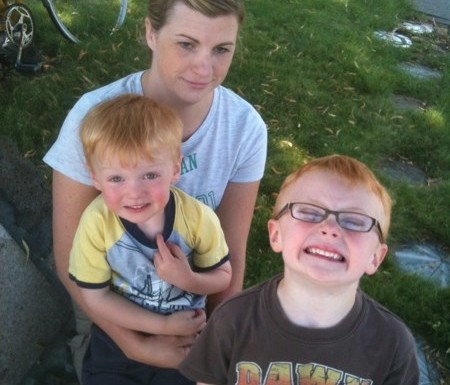
Who are the finders you may ask? Well surprise, you are! With over a 150 logged visits, Mother of Father’s Day is the home to a number of memorable geocaching moments. You can hardly scroll past a log entry without someone commenting on the story of the house or being thankful for the unexpected piece of local history. Although the Numbers have seen a host of cachers pass through the area, one particular story has stood out to them over the years. Thinking back to within the first few months of when the cache was first hidden, Jerry remembers meeting a man in his front yard who seemed to be in a bit of a hurry. Much to his surprise, it turns out this geocacher was in a rush to complete the challenge of finding two caches on opposite sides of the world in a twenty-four hour period. After hearing this, the homeowners realized the geocaching may be a little bigger deal than they originally thought.
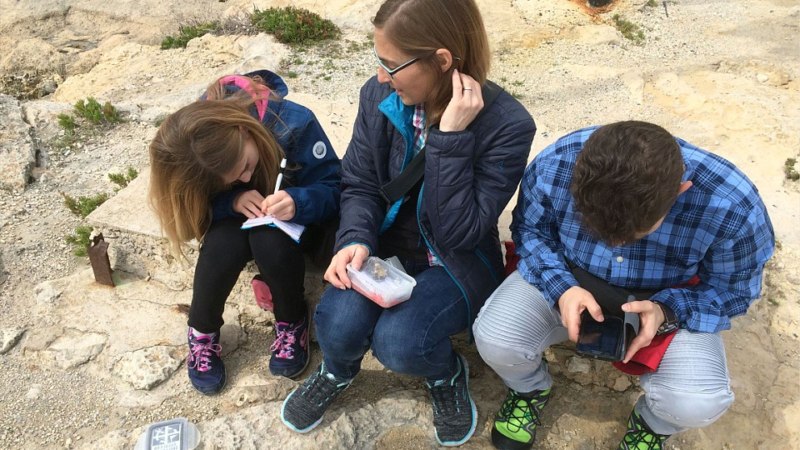
What impressed me, as a geocacher and a writer, was that I felt like I was discovering a hidden gem. Working three blocks from the geocache location made me realize that I did not to leave my city, yet alone my neighborhood, to discover something amazing. Thankfully, I now know that Father’s Day was not invented by greeting card companies, but by someone who loved their father and wanted the world to know. It also taught me that whether you’re finding a cache on your way home from work or after a flight from China, different journeys bring us to the same place. In that moment, no matter how we got there, we are all geocachers.
It’s those three essential ingredients, location, the hider, and the finders, that bring us each to that universal “ah-ha!” geocacher moment. A geocache is more than just another number in your stats, it’s a memory and by signing the log you cntribute to the cache’s constantly growing story. It goes to show that although geocaching is a global game, we’re all one big geocaching community with our stories at the foundation.
Fifteen years of geocaching means over 2.7 million location, over 6 million geocachers, and fifteen years of stories. What’s the next chapter in your geocaching story?

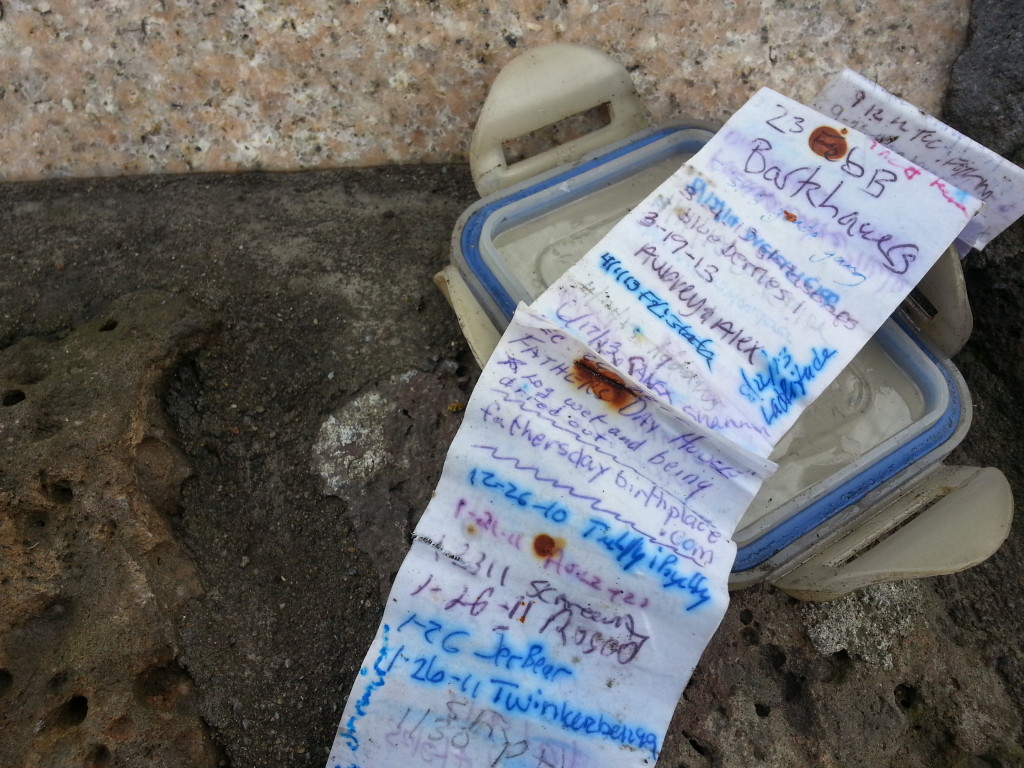
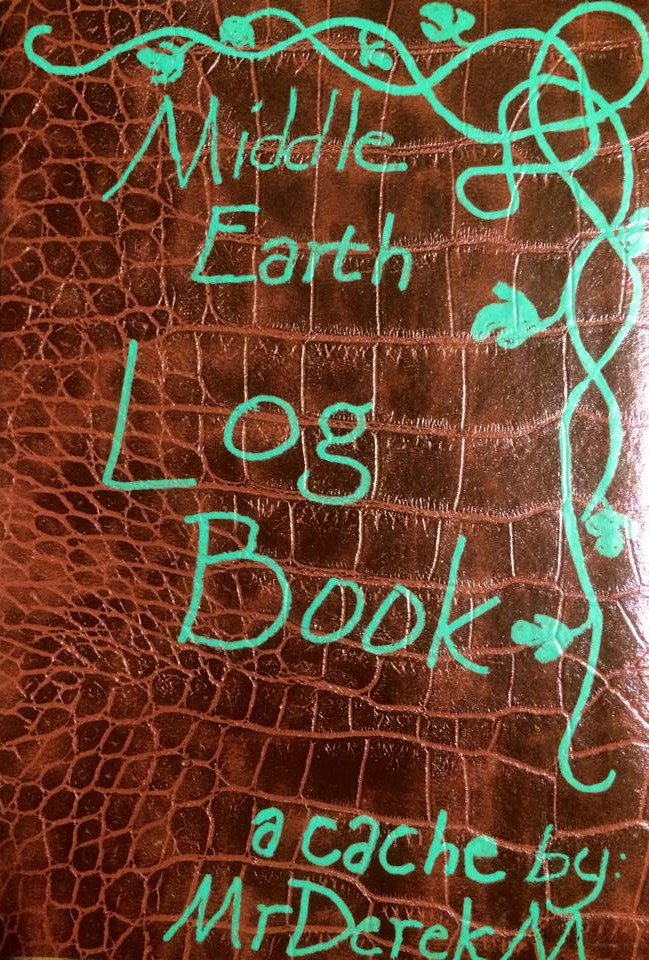 We all know the online log is where the meat of your geocaching story goes after a successful find.