DNF for the Good of All Humanity

MailerImage_03032014_DNF-Good_vFINAL_Blog

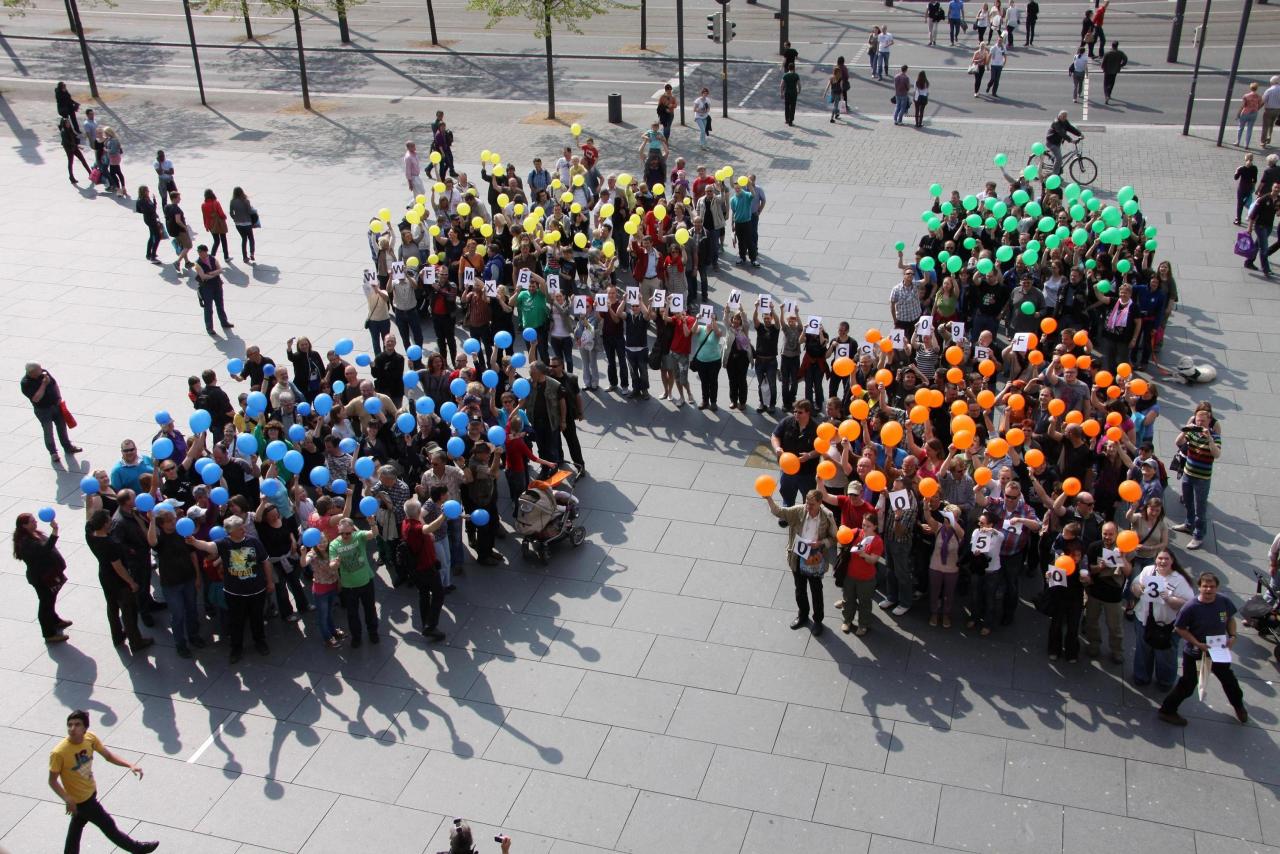
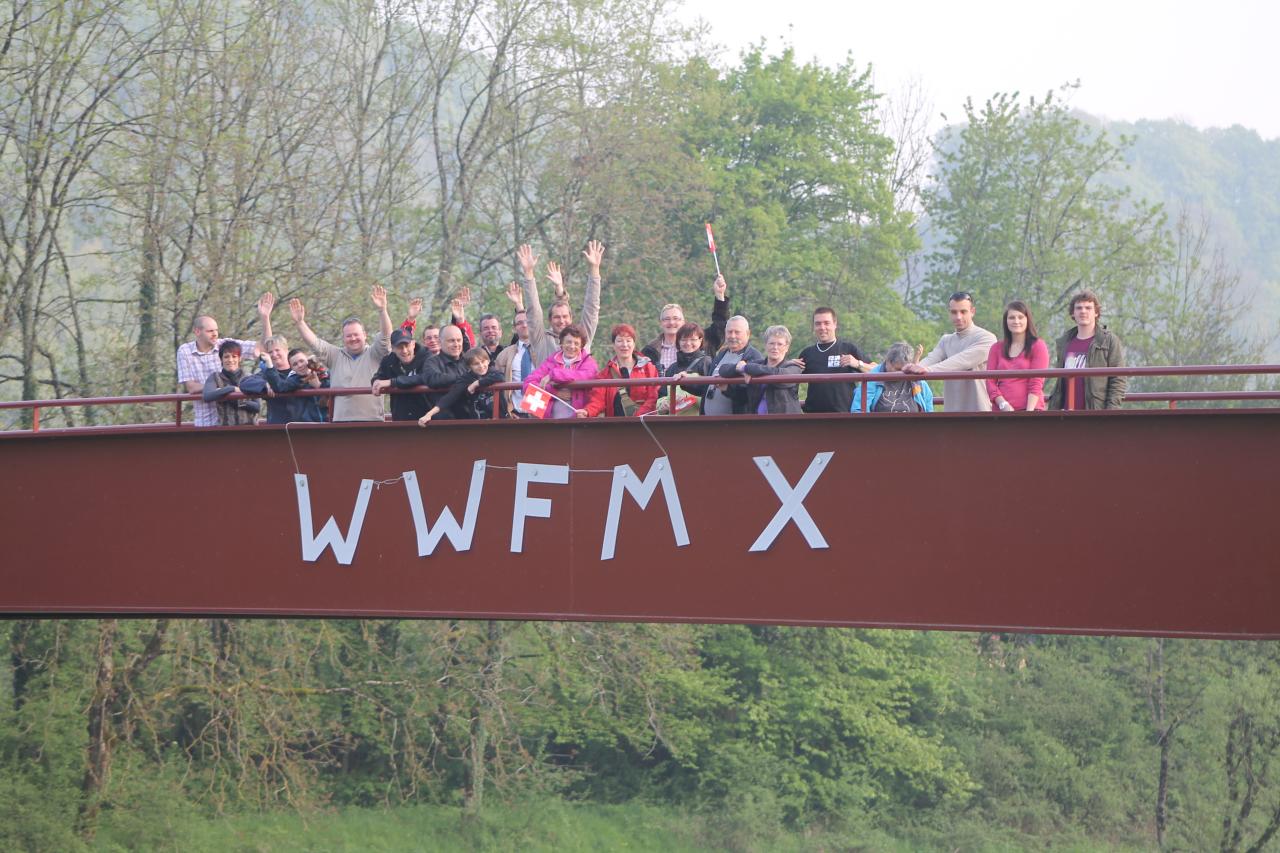
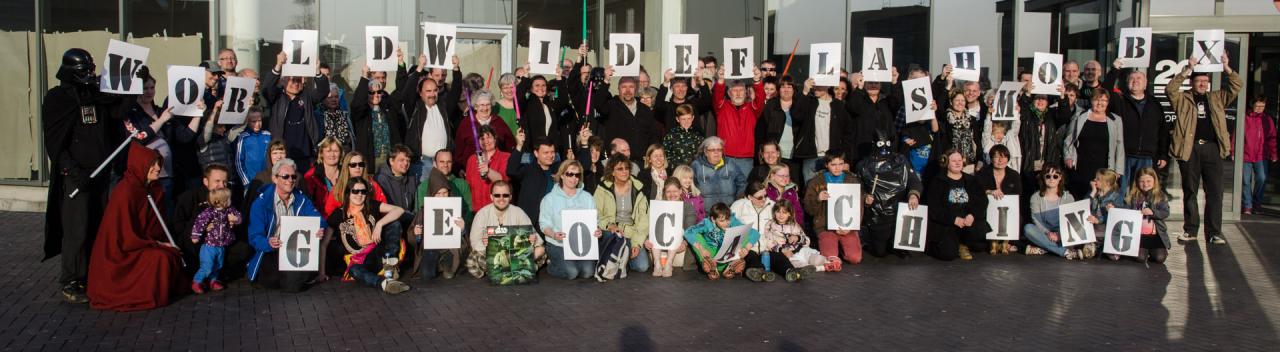
If you’re just joining the geocaching adventure, DNF stands for Did Not Find. It’s a log type when you’re searching for a geocache, and guess what, didn’t find it. But what you should also know, is that a DNF log can transform into a “Found it!” The log type doesn’t mean you’ve given up, it means, well, that you didn’t find the geocache—this time. A DNF also means, “I care.”

When you log a DNF, you’re telling geocachers that the geocache may be more difficult to find than anticipated or may even be missing. You’re also letting the geocache owner know that they may need to double check that their geocache container can still be found at the posted coordinates.

If you’re a geocacher who’s logged one of the millions DNF’s posted to Geocaching.com so far, thanks from the geocaching community. It’s a small way to help ensure the quality of geocaching. Plus, you can always go back and search again. Who knows, maybe this time you’ll catch a break and log a “Found it!”

Share the geocache that you’ve DNF’d the most in comments below.


Your Next Geocaching Vacation – Peru

GeoTour Peru

Alane Brown created the In the Andes of Perú GeoTour. It’s the first GeoTour in South America and it very well may be the highest GeoTour on Earth, climbing more than 13,000 feet (4,000 meters) above sea level. The GeoTour is one of more than two dozen GeoTours around the globe.

Here are Alane’s answers to questions from curious geocachers:

  • Why did you create this GeoTour? 

I’m a Peace Corps Volunteer assigned to one of the small towns in the Yanamarca Valley. (My town is Marco, population 1,700 and dropping.) I’m in the Environment program. We’re here to find ways to work collaboratively with local people to improve awareness of the value of the natural environment and also to improve environmental conditions. The local environmental action group and I decided that a GeoTour would be a creative way to do both of those things. Local people are learning more about their own natural resources as they come together to work on the GeoTour. We’re also including environmental action projects in the tour. We placed geocaches in areas where problems exist and also at local success stories, such as reforestation projects. And, of course, if this eco-tourism project improves the economy in this low-income area, that should lead organically to more interest in caring for the valley.

  • It seems like geocaching in the Andes embodies the spirit of exploration. Why might this be the ideal place for geocaching? 

Local womanGeocachers like a challenge! The Yanamarca Valley floor is at 11,300 feet above sea level, and the surrounding hills go up to 13,000 feet. You’ll explore all of that. We recommend spending the first day walking or biking around the valley floor if you need to acclimatize to the altitude. It’s a lovely area to explore. Over 90% of the buildings are traditional adobe with red tile roofs. Farming is the center of the economy. You’ll see grandmothers in their colorful mantas watching their sheep, pass fields of quinoa, and complete a challenge that will take you to 10 brightly-painted neighborhood chapels. This area is bursting with genuine Peruvian folkways, and as a geocacher, you’ll see it all up close. Above the valley floor, you’ll hike into the hills to find archeological sites, interesting rock formations, and lovely views of the distant Huaytapallana glacier. This is a great location for geocaching because here are so many little delights to be discovered, that you would definitely not come across without geocaching.

  • What will geocachers discover on the Andes of Peru GeoTour that they might not expect? 

Shutuy ruins cacheWhen people think of Peru, they think of Machu Picchu and the Inca Empire. Over the span of the history of the Andes, that was just the blink of an eye, less than 100 years. Before that, there were hundreds of cultures spread like a patchwork quilt across the Andes. In our valley and the surrounding hills, it was the Xauxa culture. I’m from the American Southwest, and the Xauxa culture is very similar to the Ancestral Puebloan (Anasazi) culture. Lots of little stone buildings remain to tell the tale of a vanished civilization. In this tour you’ll build up a picture of these people as you visit the remains of their towns, roads, aqueducts and graves. You can even hire a local shaman to do a traditional ceremony with you to thank the ancient spirits for letting you explore these sites.


  • What do you hope is the response to the GeoTour? 

Pichiluli badlands cacheWe hope that people from around the world will visit us. Many people here take their home for granted. Seeing it through the eyes of visitors will help build local pride. This valley is in the lowest 25% of communities in Peru, economically. If you visit us and spend a little money in the valley, that truly matters for us. Young people are migrating out of this rural area. A little bit of tourism income might entice a few of them to stay. We’d like to see a small but steady stream of visitors. We don’t want to become Machu Picchu—a GeoTour is a perfect way to generate some light tourism without destroying the traditional way of life of the valley. We’d like to have some friends from around the world stop by to share the gentle beauties of our home.


  • What else do geocachers need to know? 

My Peace Corps service runs through the end of 2014. Over the course of this year, the local committee and I would love to get input from our pioneer visitors. Please join our Facebook group and let us know when you’ll be here. Maybe we can meet so we can give you some pointers…and you can give us some suggestions!

[youtube:https://www.youtube.com/watch?v=0XdtSjHd1iw#t=23]


Tips for the Four-Season Geocacher

Mailer_01202014_GeocachingInWinter_vFINAL_Blog

The Weather Outside is Frightful but…

… geocaches don’t find themselves. It’s true. And we don’t want to live in a world where they actually do find themselves (didn’t you see the movie Terminator?). So the question is, how do you brave the winter (or summer if you’re in a sizzling hot climate) and still feed your need for smileys? We’ve got you covered.We talked to a geocacher with a streak of more than 700 straight days of finding a geocache. There’s been extreme heat, snowy whiteouts and pouring rain. Jon Stanley, better known as Moun10Bike, tells all about geocaching in tough winter climates in this blog post.

jonsnow

Learn winter tips like:

  • Look for geocaches with the “Available in Winter” attribute
  • Geocaches that are off the ground or otherwise protected from snow coverage offer the best chance for success
  • Dress warmly, be ready and willing to turn back if conditions turn against you

Here are tips for the other extreme: heat

 Wear proper sun protection, a hat, sunscreen, etc…
 Avoid being outside for long periods during the hottest part of the day
 Geocache in the early morning or after the sun goes down
 Stay hydrated
 Bring a friend and always tell someone where you’re geocaching (don’t have a 127 Hours situation)
 Mostly, use common sense: although geocaches don’t find themselves (thankfully), they’ll still be there the next day for you to find them safely
Geocaching mountain image
What’s your advice for maintaining your need for geocaching in all seasons? Leave a comment on the Geocaching Facebook page or in comments on The Geocaching Blog.

How to Spell Geocaching “Inspiration”

mailer blog image geocache of the week geocacher of the month

You won’t find GOTW and GOTM in any “normal” dictionary, just like your won’t find TFTC or BYOP. But we geocachers speak our own language of adventure. GOTW and GOTM are what you need to stay on top of the latest hiding and finding trends and to see the adventurers who are shaping our growing geocaching community. GOTW and GOTM stand for “Geocache of the Week” and the “Geocacher of the Month.”

Every Thursday, Geocaching HQ selects a much-loved and creative geocache from the 2.2 million active geocaches hidden around the globe. It’s then featured on The Geocaching Blog. The Geocache of the Week is a great way to explore the world and discover new potential geocaching adventures. It’s also an inspirational resource for geocache makers to discover new ways to hide a clever geocache.

Once a month, the worldwide community also meets three amazing geocachers. They’re nominated by their friends or family to be the featured Geocacher of the Month. You help select the outstanding geocacher who receives the award. Each nominee walks away with worldwide recognition and a prize package from Geocaching HQ.

Now it’s your turn. To nominate an outstanding geocaching hide for Geocache of the Week, leave a comment on the latest Geocache of the Week blog post. Find details here on how to nominate the next Geocacher of the Month.

GOTM-Montage-1
Click on the image to learn more about the Featured Geocacher of the Month

The First Lesson: We Were All Beginners Once


WeeklyMailer_111813_BeginnersGuideVideo_vFINAL_FB

Remember your first geocaching find? That fist-pumping moment when you finally spotted the hidden container? Let us answer for you: Of course you do! Whether you’ve found 10,000 or 10 geocaches since, your first geocaching experience won’t be forgotten. That experience of being a beginner geocacher was also your first lesson in geocaching. Now beginners have a new TOTT*. It’s the latest video from Geocaching HQ, “The Beginner’s Guide to Finding a Geocache.”


Continue reading →