En Geocaching HQ, todos los días nos inspiran historias de gente que ha descubierto que la aventura aún existe en el mundo real — historias de exploración de lo desconocido, de lanzamiento de un rastreable al espacio o de ver cómo un niño descubre el mundo por vez primera.
Una de las mejores partes de trabajar en HQ es compartir estas historias con todos vosotros. Por eso estamos encantados de anunciar que el blog de Geocaching tiene un nuevo aspecto — uno que esperamos que coincida con las historias extraordinarias que guarda.
Adelante. Compruébalo. Entonces, comparte con nosotros tus comentarios sobre tus mejores momentos de geocaching.
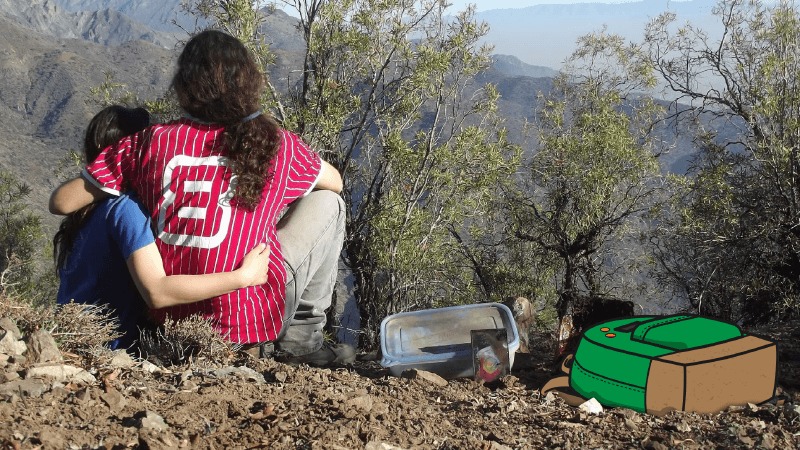
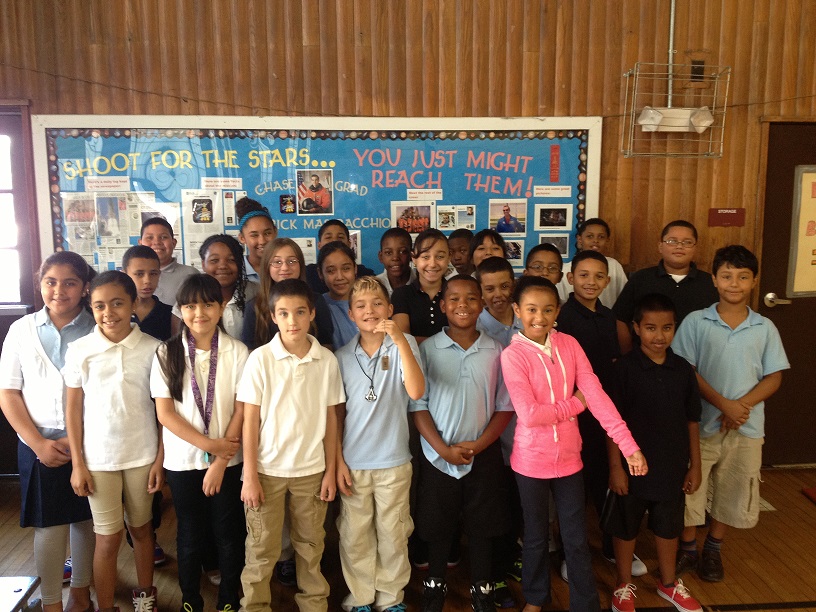
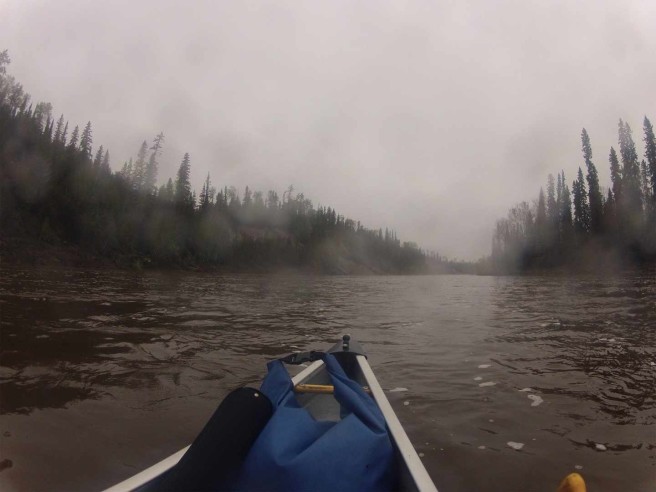
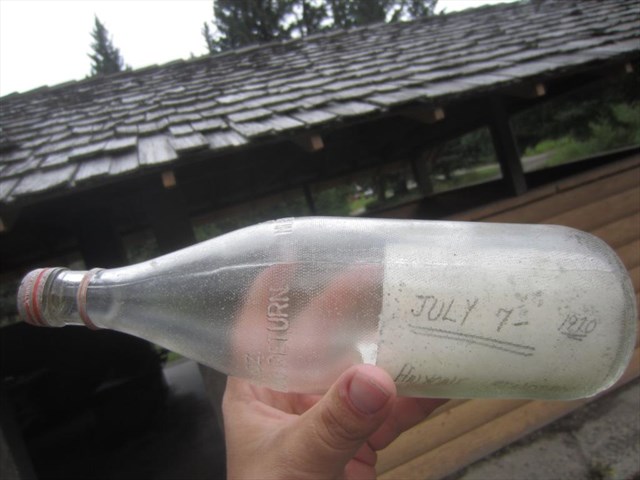
Here at Geocaching HQ, we are inspired every day by stories from people who have discovered that adventure still exists in the real-world — stories of exploring the unknown, rocketing a trackable into space or seeing a child connect to the world for the very first time.
One of the best parts of working at HQ is getting to share these stories with all of you. That’s why we’re excited to announce that the Geocaching Blog has a new look — one we hope matches the extraordinary stories it holds.
Here are some of our favorite geocaching stories from over the years (now with a fresh, new look!):
Giga-Events are the largest event type and are attended by over 5,000 geocachers. For those who attend, you’ll earn the rare Giga icon in your statistics, plus you’ll get the opportunity to meet tons of geocachers from around the world. See the list of upcoming Mega/Giga-Events.
It only happens every four years. It gives us 366 calendar days which means we all have one extra day to go geocaching. So of course, we’re celebrating with a souvenir — actually, make that two!
The first souvenir can only be earned on Leap Day itself — February 29 — by attending a geocaching event. The other souvenir can be earned all weekend long (February 27-29) by getting outside and finding a geocache.
Leap Day exists to correct for the difference between the calendar year and the astronomical year. The 365 days of the calendar year represent Earth’s movement around the sun every 365 days. But Earth just ate a pizza and is actually moving a bit slower than that: it takes 365 days, 5 hours, 48 minutes, and 46 seconds for Earth to revolve around the sun.
And so, the calendar is adjusted to compensate for that extra time, by adding an extra day to the year about every four years (but not every four years). If we didn’t correct for the difference between the two calendars, the northern hemisphere would eventually end up celebrating New Year’s Eve during summer. In the southern Hemisphere, more cities might see a snowy Christmas. By the year 2736, the US would celebrate the 4th of July in deep winter.
And if you like swirling down an interesting internet search spiral on the mixed-up history of the Julian and Roman calendars, click here.
Cela n’arrive qu’une fois tous les 4 ans. Il y a 366 jours calendaires ce qui signifie que nous avons tous un jour de plus pour géocacher. Donc bien sûr, nous fêtons ça avec un souvenir — non en fait, deux !
Le premier souvenir ne pourra être remporté que le jour même — le 29 février — en participant à un event géocaching. Le second souvenir pourra être remporté tout au long de ce week-end (du 27 au 29 février) en trouvant une géocache. (Indice : Vous voudrez certainement gagner les deux…).