Das letzte neue Ländersouvenir dieses Jahres ist hier!
Trommelwirbel bitte! Das letzte neue Ländersouvenir dieses Jahres ist… Thailand! Die Kombination aus weißen Sandstränden, blauem Wasser und uralten Ruinen führt zu unglaublichen Geocaching-Abenteuern in Thailand. Wenn Du in Thailand geocachen gehst, solltest Du das auf keinen Fall verpassen:
Besuche den Großen Palast in Bangkok, der Hauptstadt Thailands.
Logge diesen EarthCache und entdecke die Insel Ko Phi Phi, wo Leonardo DiCaprio bekannterweise im Film “The Beach” gefilmt wurde.
Teste Deine Höhenangst und finde diesen Kletter-Geocache – manche behaupten, es sei der beste in Thailand.
Finde mehr zum Thema Geocaching in Thailand auf dem Geocaching Blog und sieh Dir die Geocaches mit den meisten Favoritenpunkten an.
Thailand ist, mit Slowenien, Estland, Litauen und der Türkei, eines der neuesten Ländersouvenirs. Wenn Du in diesen Ländern in der Vergangenheit Geocaches gefunden hast, wirst Du das entsprechende Souvenir auf Deinem Profil finden. Hier kannst Du Dir alle Souvenirs anschauen, die Du schon gesammelt hast. Gute Reise!
This week, we’re recognizing a creative geocache in a country that just got its first souvenir: Turkey!
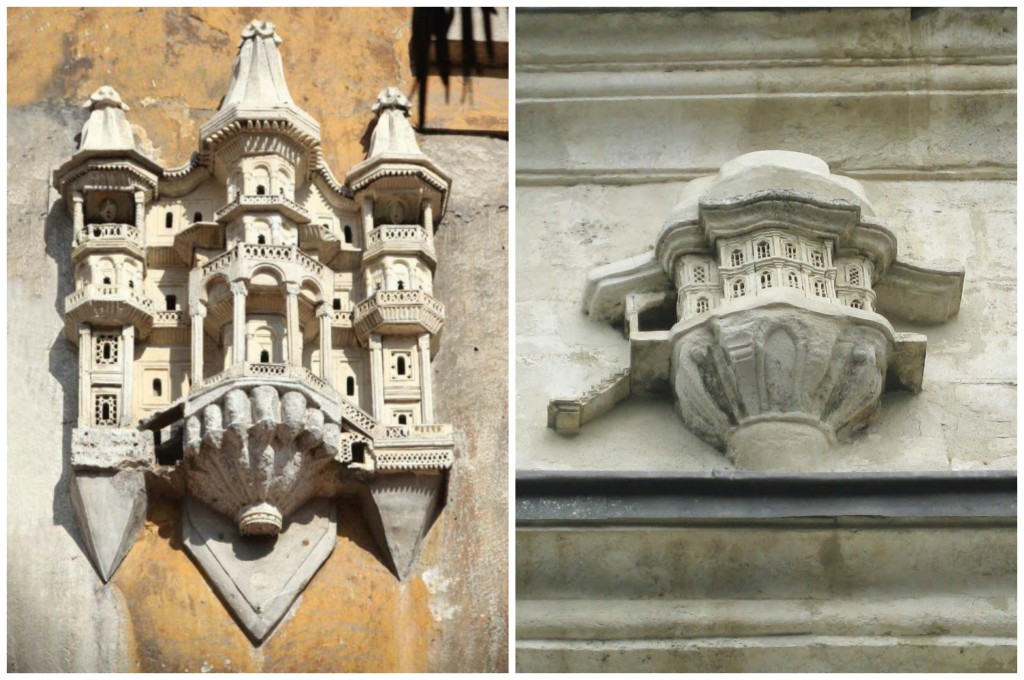
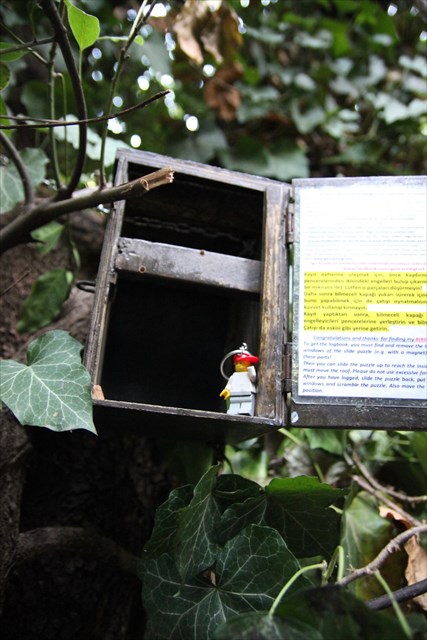
Birdhouses, or Kuş Evleri in Turkish, are literally built into much of the Ottoman architecture in Istanbul and other cities in Turkey. This geocache was placed in tribute to those birdhouses.
“Kuş Evi / Bird House” is a tree-climbing cache, the first of its kind in Turkey, in fact. Finding it qualifies you to add a special banner to your profile. Starting this week, you’ll also earn the brand-new Turkey souvenir for finding this, or any other geocache, in Turkey.
What geocachers have to say about it:
“This cache was my main target this afternoon: I like tree-climbing and I like banners . This one combined both. At least after I had found it! There were quite a few people around, thus I had to look carefully. After a looooong while I found a short trail and the tree. Getting to the cache was no problem but then there was the locking system that needed to be overcome. It wasn’t too difficult but something new to me! I really liked it! This whole cache is definitely worth a favourite point! Greetings to the owner! TFTC!” –kinderarzt
“I wanted this one to be my 300. cache, so i saved itaccordingly during our Kuzguncuk tour. I have bern listening to the praises of this cache for months. I found some bird house caches in Europe before but i encounter one with a puzzle for the first time. Initially, my wife went up the tree. But when she had some difficulties with opening the lock, we switched places. I also could not open it immediately. The numbers must be aligned precisely to open it. I didn’t have a magnet with me but a swiss army knife. The rest eas not so difficult. And for sure, it deserves a fav point.” –blastrula
What the Cache Owner has to say about it:
Tell us a little bit about why you decided to hide this cache? “There were not many handcrafted caches in Turkey or Istanbul. I saw a lot of nice, maker caches in the web and want to make one myself. It should be not to difficult but should have some field puzzle elements in it. And it should be a example of handcrafted caches for the growing community in Istanbul.”
There don’t seem to be many tree caches in Turkey. Do you know if yours was the first? “I am very sure it is. It is a tree cache where searchers have not to use technical equipment, but have to climb nearly 3 meters high. Today there are more caches in Turkey like this.”
Do you think this cache requires more maintenance that your other geocaches? “No the place is more secure than the other caches in the city. Also it is chained to the tree, so Muggles are less a problem.”
Do you have anything in particular you’d like to say to the geocaching community? “I produced this and some other caches in Istanbul to show the community that nice crafted caches are more fun than simple ones.”
Photos:
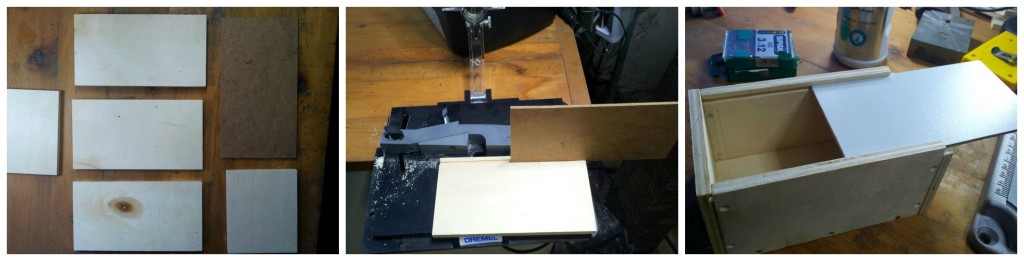
The making of the cache.
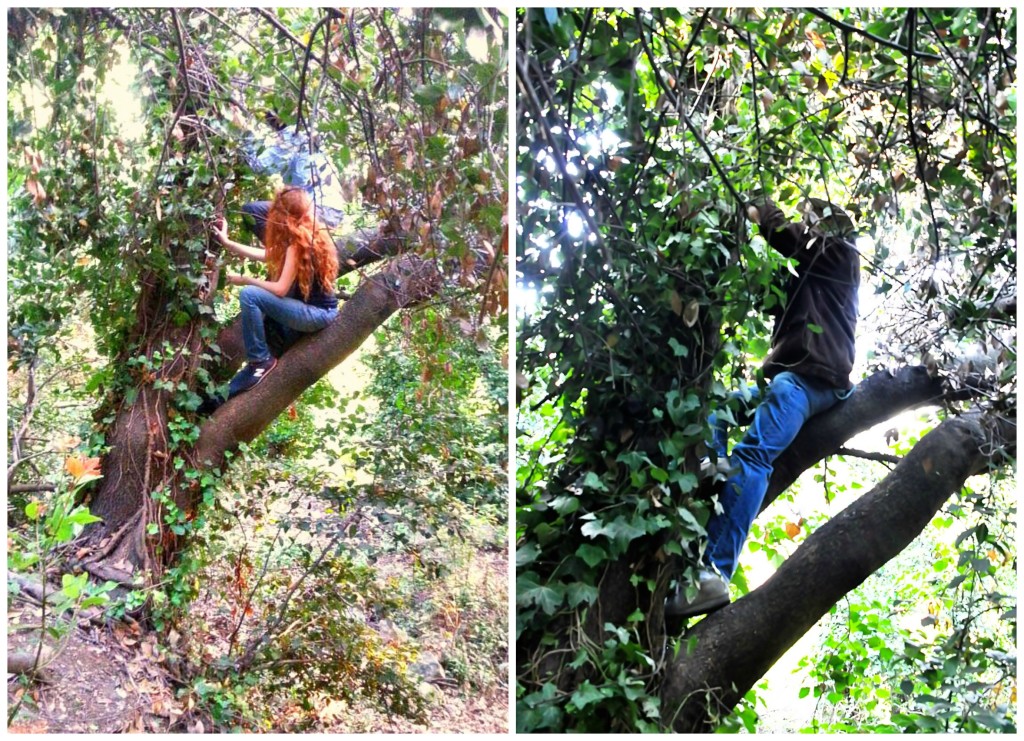
Intrepid geocachers in an attempt to disguise themselves as monkeys.
The puzzle box that contains the cache.
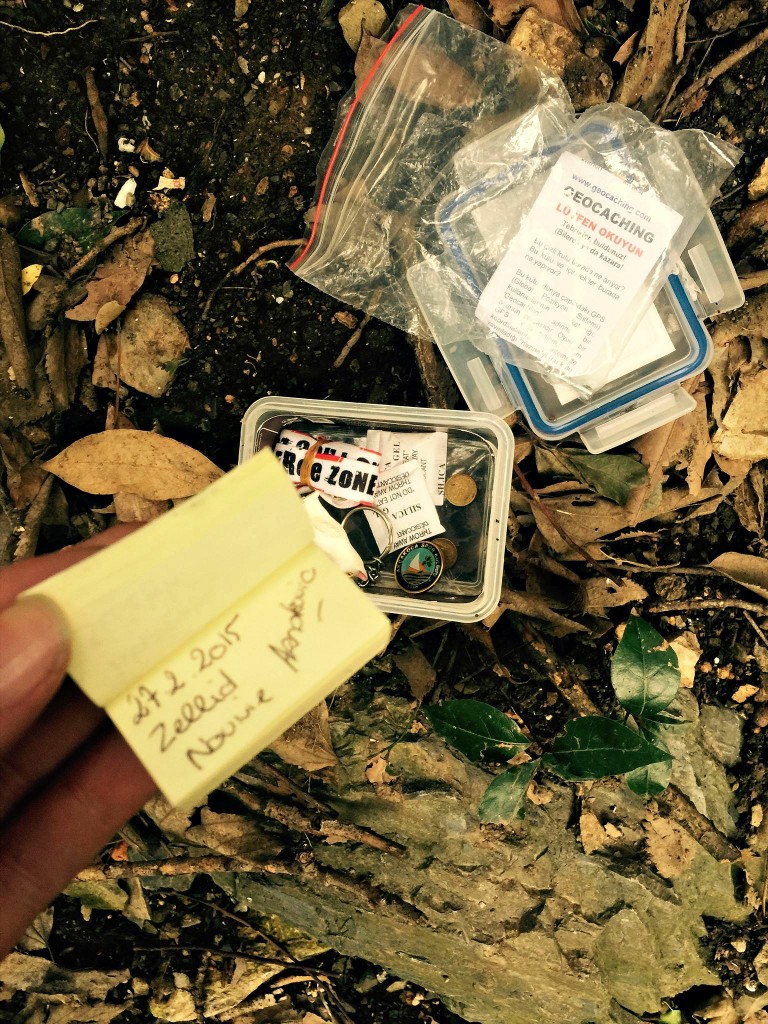
The cache itself.
The littlest geocachers may need some help finding this one.
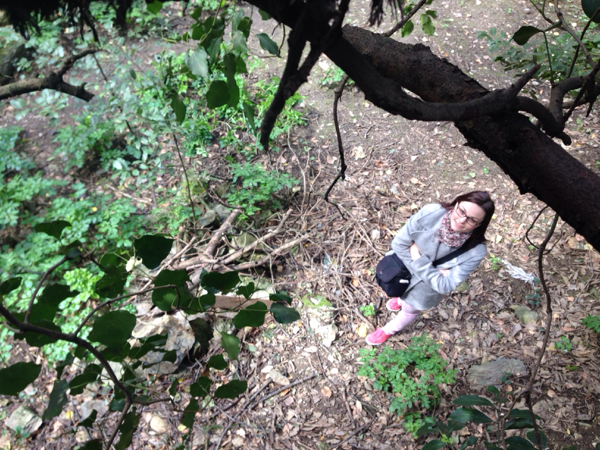
View from the cache.
Continue to explore some of the most amazing geocaches around the world. Check out all of the Geocaches of the Week on the Geocaching blog.
If you would like to nominate a Geocache of the Week, fill out this form.
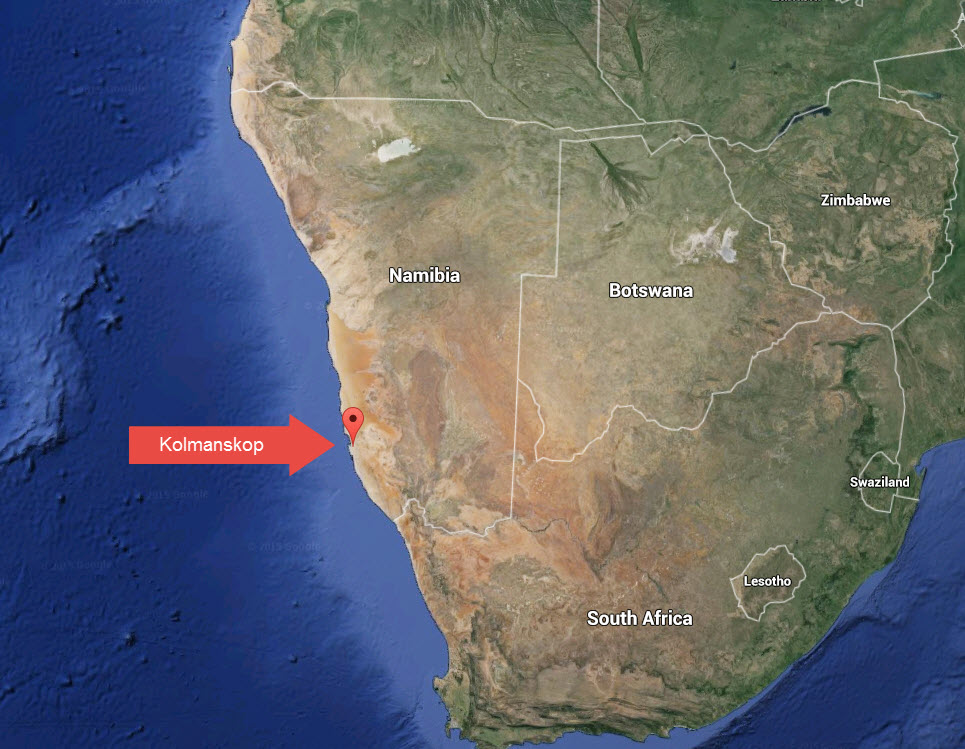
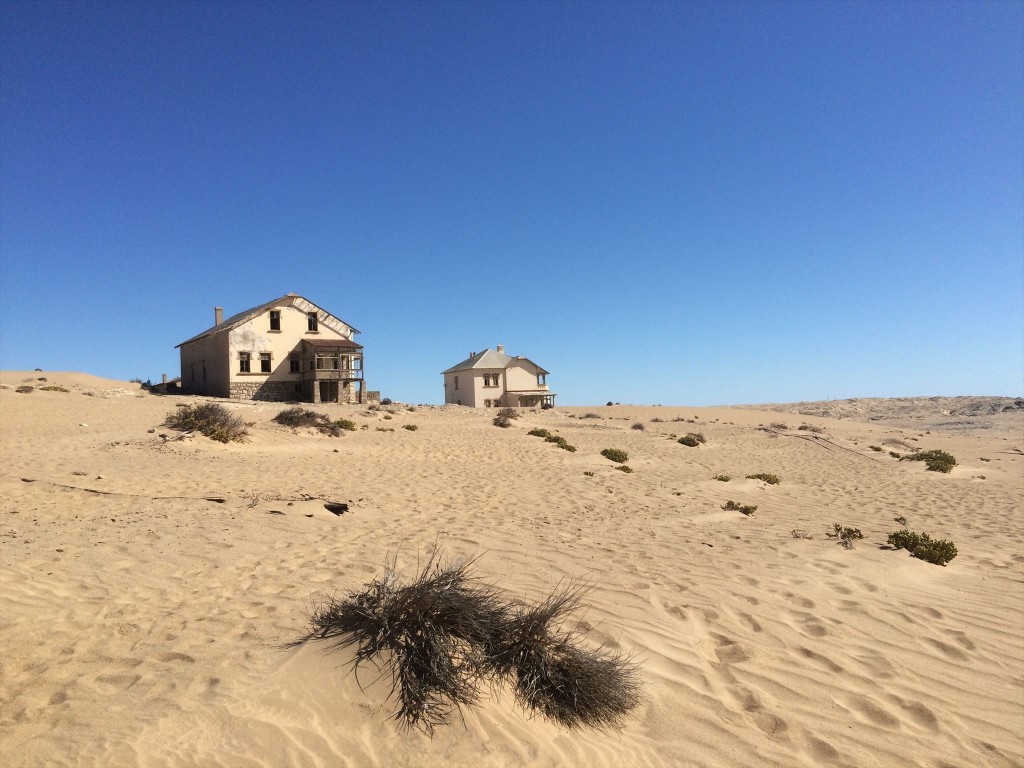
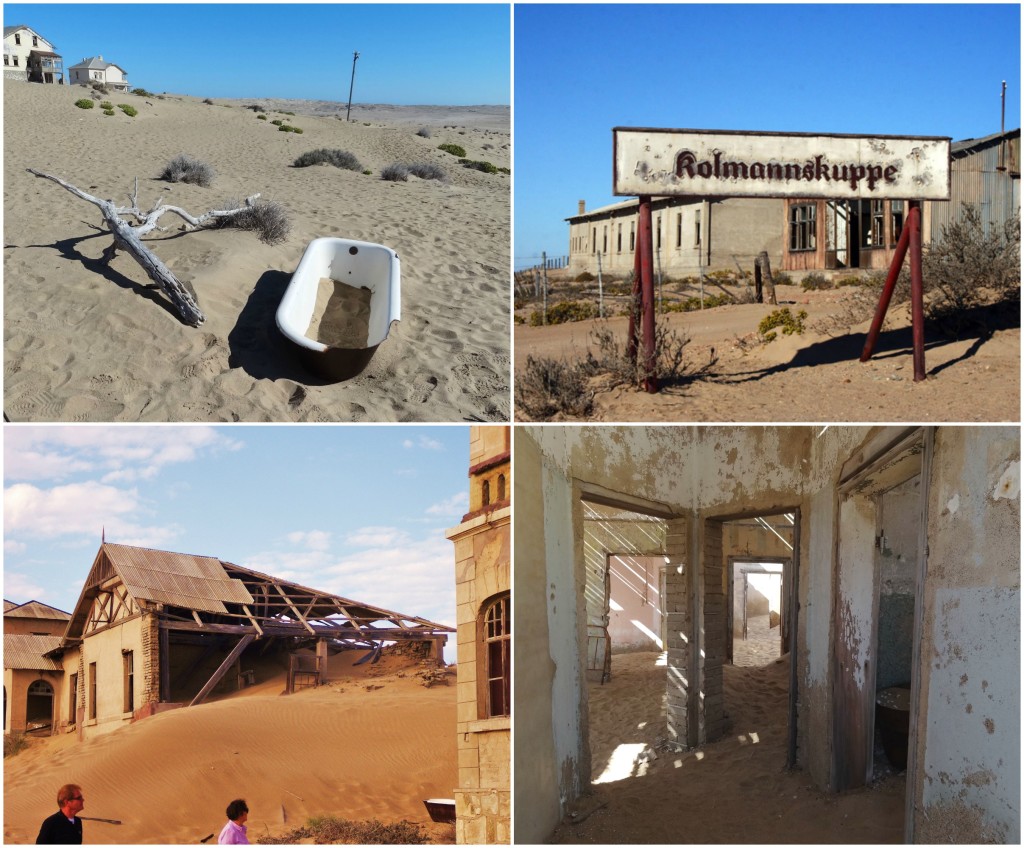
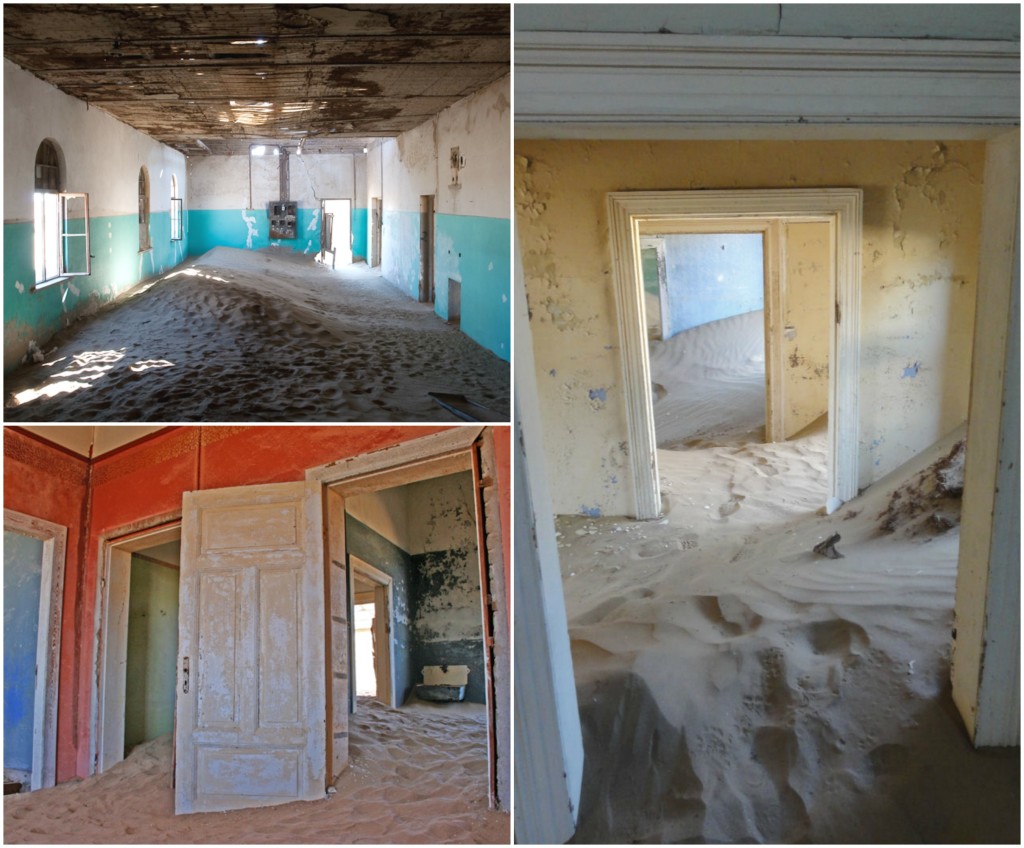
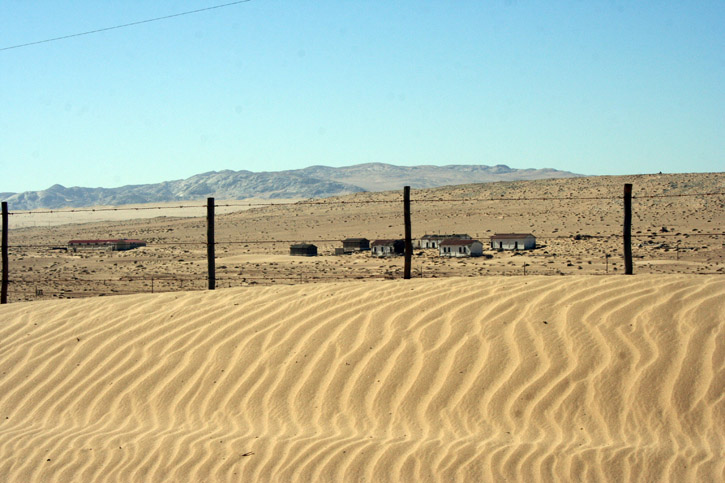
Boom-and-bust desert ghost towns are not an exclusive trademark of the American west. The site of this EarthCache is a ghost town at the edge of a Namibian desert. The town’s name is Kolmanskop.
In 1908, Namibia was a German colony called South-West Africa. That year, a German man named Zacharias Lewela found a diamond while working on a railway line. Lewela’s lucky find sparked a frantic diamond rush, with floods of diamond hunters arriving and settling in the area, and naming it Kolmanskop.
The town was quickly built up by its residents, with a distinctly German architectural style. At its pinnacle in the 1920’s, Kolmanksop was home to about 700 families, and its amenities and institutions included a hospital, ballroom, power station, school, skittle-alley, theater, gym and swimming pool, a casino, an ice factory and the first x-ray-station in the southern hemisphere. That was the boom.
The bust came after World War I. The diamond fields of Kolmanskop had been milked for all they were worth, and diamond mining in other areas created competition. By 1954 the town was completely abandoned.
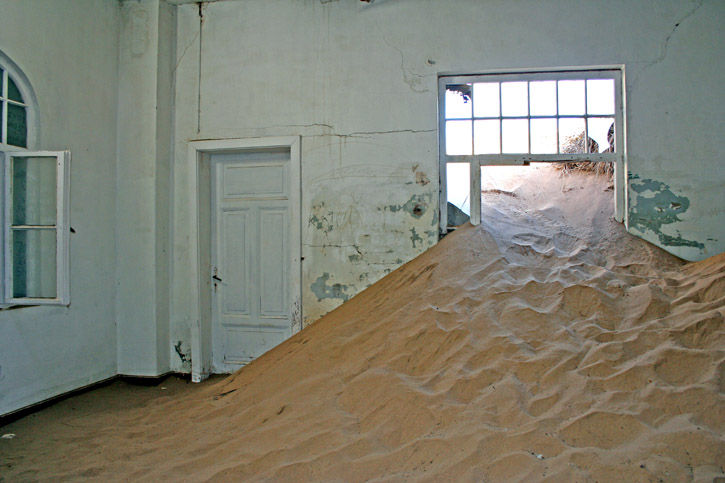
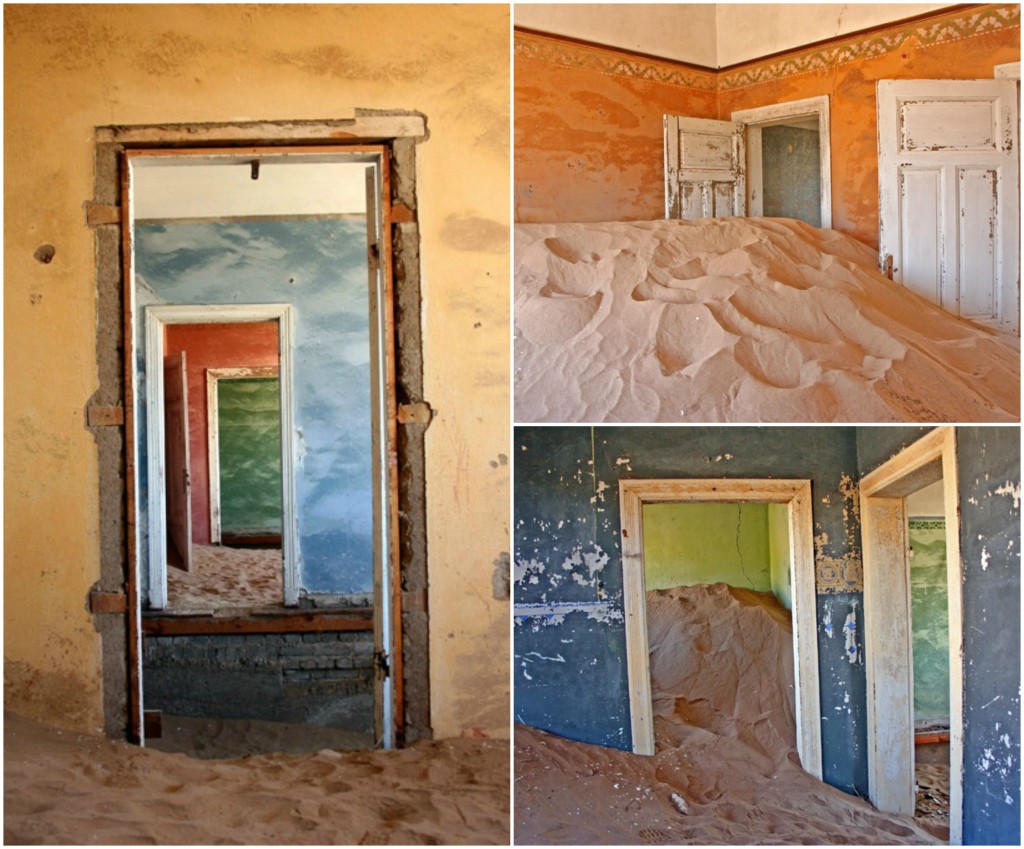
Over time, the geological forces of the desert filled the remaining buildings with heaps of sand, blasting brightly colored paint from walls and scouring roofs. Now, visitors who want to see the eerie sights for themselves can take a tour of the town. The company that runs the tours has restored a few of the buildings to their historical looks. But most of the leftover buildings have been left to fill slowly, but surely, with sand.
What geocachers have to say:
“Hat mich irgendwie an Arizona erinnert wo es auch Ghosttowns gibt. Nur waren es hier keinen Diamanten sondern Gold. Absolut sehenswert. Vielen Dank für den Earthcache. Natürlich ein Schleifchen von uns.” Reminded me a little bit of Arizona, which also has ghost towns. Except here, of course, it wasn’t gold, but diamonds. Absolutely worth visiting. Thank you very much for this EarthCache. Of course it gets a favorite point from us. b012887
“Great area, easily the coolest Lost Place we have ever been! Thanx go out to the owner, that did a great job at creating this wonderful esrth cache. The questions involved, brought us to think even further about our experience at Kolmanskuppe. If you’re in town, this is the definite must do and the Cache as well! Thank you very much and greetings from germany!” John Milton
Photos:
Continue to explore some of the most amazing geocaches around the world. Check out all of the Geocaches of the Week on the Geocaching blog. If you would like to nominate a Geocache of the Week, fill out this form.
Mitarbeiter des Geocaching-Hauptquartiers machen sich auf den Weg, um herauszufinden, was Geocacher wollen.
Es wird immer spannend im Geocaching-Hauptquartier, wenn neue Funktionen wie das Nachrichten-Center oder die Trackable-Unterstützung in der kostenlosen App bereit sind, um mit der Geocaching-Community geteilt zu werden. Der Weg zu einer neuen Funktion ist weit – Designer, Entwickler und viele andere entwickeln und testen sie mehrere Monate, bevor sie einsatzbereit ist.
Aber bevor sie damit anfangen können, müssen wir herausfinden, welche Funktionen am wichtigsten sind. Wie machen wir das? Wir fragen Geocacher, wie sie das Spiel spielen. Ein Team von Mitarbeitern des Geocaching-Hauptquartiers reiste dazu kürzlich zum “Going Caching”-Mega-Event in Rome im US-Bundesstaat Georgia. Lies die komplette Geschichte und erfahre, wie Du Dich beteiligen kannst.
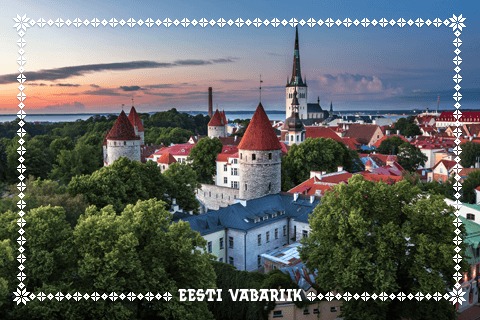
Since the beginning of the game, geocaching and technology have gone hand-in-hand (quite literally) in the form of GPS units and smartphones. It’s therefore no surprise that Estonia, a global leader in high-tech, loves geocaching. Estonia is the newest country to be added to the growing list of country souvenirs.
The farthest north of the Baltic states, Estonia is bordered by Russia, Latvia, and the Baltic Sea with Finland a short hop via ferry to the north. It’s a small country, about twice the size of New Jersey, with a population of just over one million. Those relatively small numbers have produced a wealth of high-quality, fun, creative geocaches. Here we feature a few of our favorites.
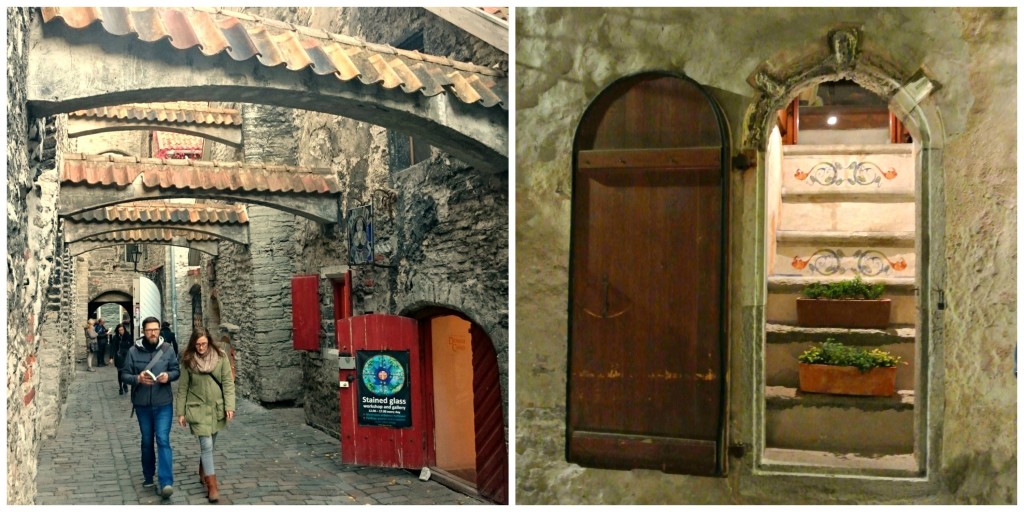
This traditional cache is hidden in St. Catherine’s Passage, a medieval alley with a romantic vibe in old Tallinn (Estonia’s capital). At one end of the passage you’ll find large, ancient tombstones that used to line the inside of St. Catherine’s church. At the other end are a series of workshops where artisans make stained glass, ceramics, jeweler, quilts, and leather goods and hats. The cache is tucked away somewhere in between.
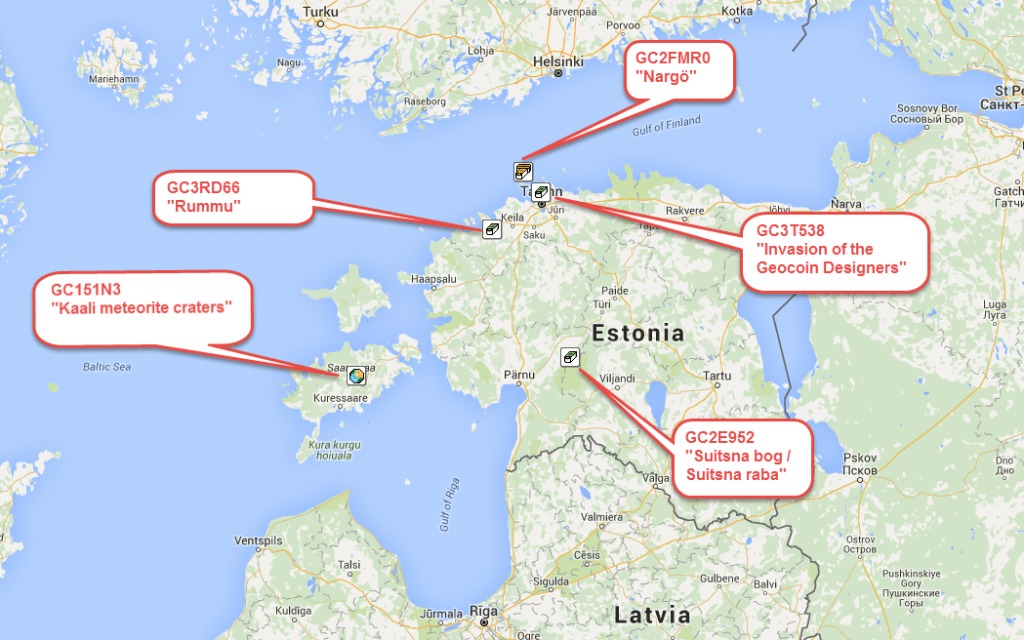
GC3T538 “Invasion of the Geocoin Designers” is hidden in St. Catherine’s Passage, a popular destination in Estonia’s capital, Tallinn.
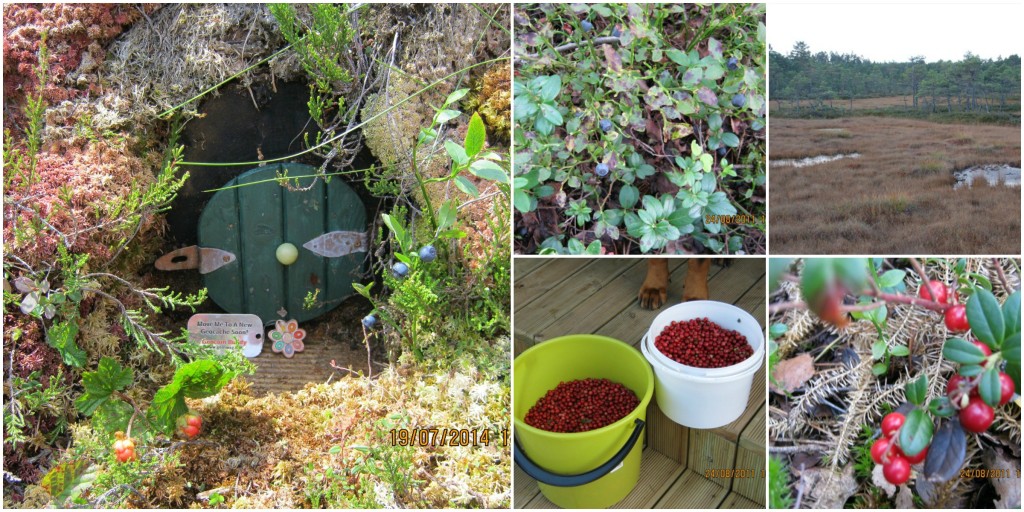
GC31V9H is a cache inspired by the works of J.R.R. Tolkien. When you find it, you’ll understand why. It’s a great example of the type of attention to detail found in a lot of Estonian geocaches. In fact, if you don’t say, “Awwwwww” the minute you see it, we’d be surprised. The multi-cache waypoints take you on a beautiful walk through fields covered alternately with berries and mushrooms, depending on the season.
You might come away with handfuls (if not buckets) of seasonal berries if you follow the path of this multi-cache.
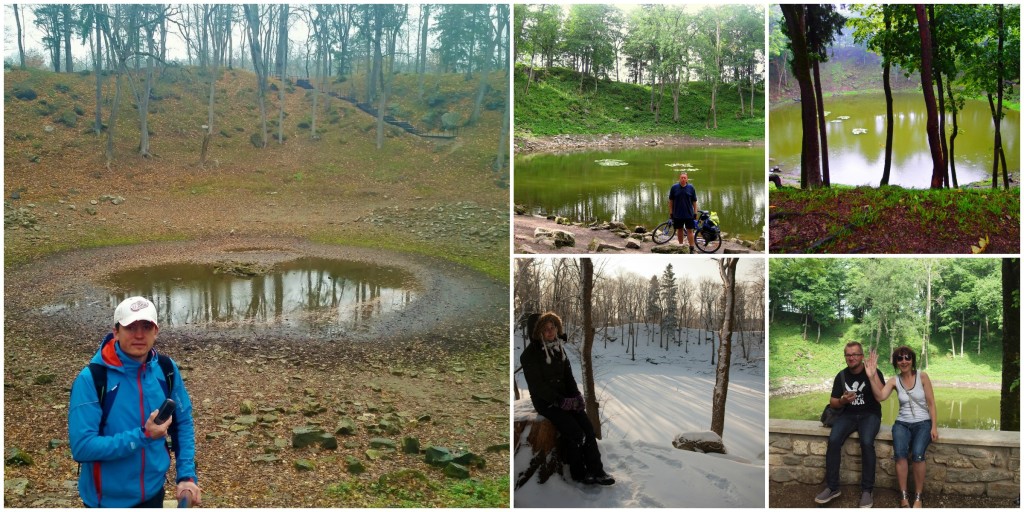
GC151N3 is one of Estonia’s coolest EarthCaches. It’s the site of a series of meteorite craters near the village of Kaali, on the Estonian island of Saaremaa. The 9 craters all result from the impact of a single meteor, which broke apart into fragments upon passing through Earth’s atmosphere, some 7,500 years ago (though the time range of the craters’ formations is debated). The location is utterly unique, replete with geological and social historical oddities.
Arrive at GC151N3 and take one guess as to where the ancient meteorite crash landed.
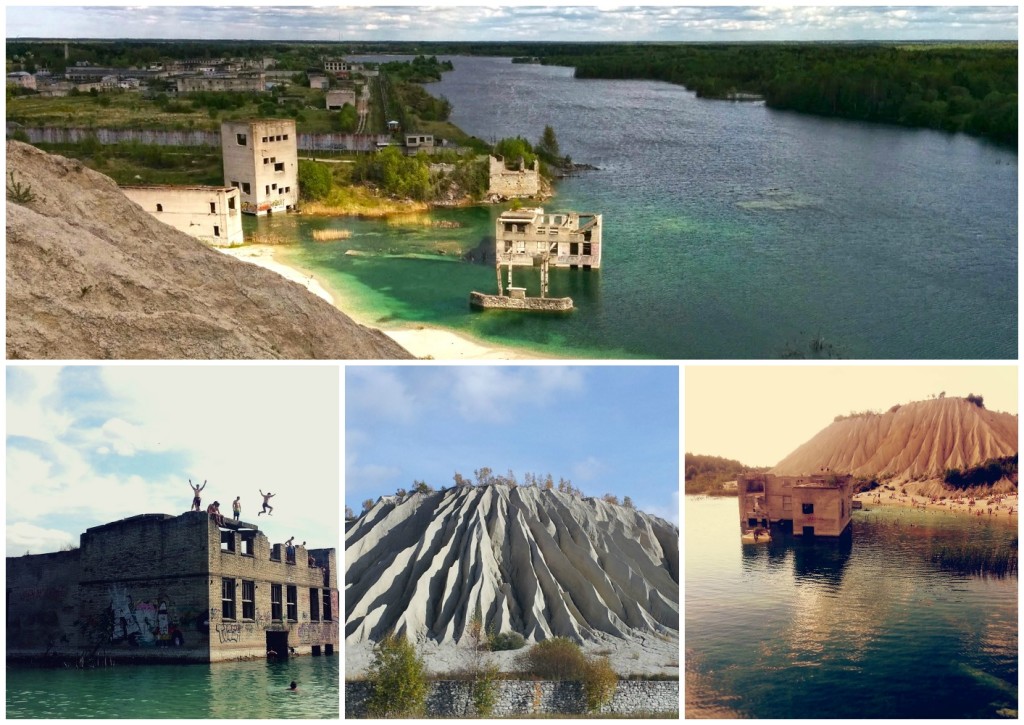
This cache is one for the adventurous. Just 42 minutes outside of Tallinn lies the Rummu quarry, an old limestone mining site. While the quarry was operational, inmates at the nearby Murru prison made up its workforce. When the prison was closed and its water pumps shut down, the quarry filled with water, drowning several buildings, and making for an excellent (but unsupervised!) swimming and diving spot. The cache takes you to the top of an ash hill above the quarry, where you’ll find an unmatched view at sunset.
“Rummu” (GC3RD66) is located at the top of an ash hill above an old quarry.
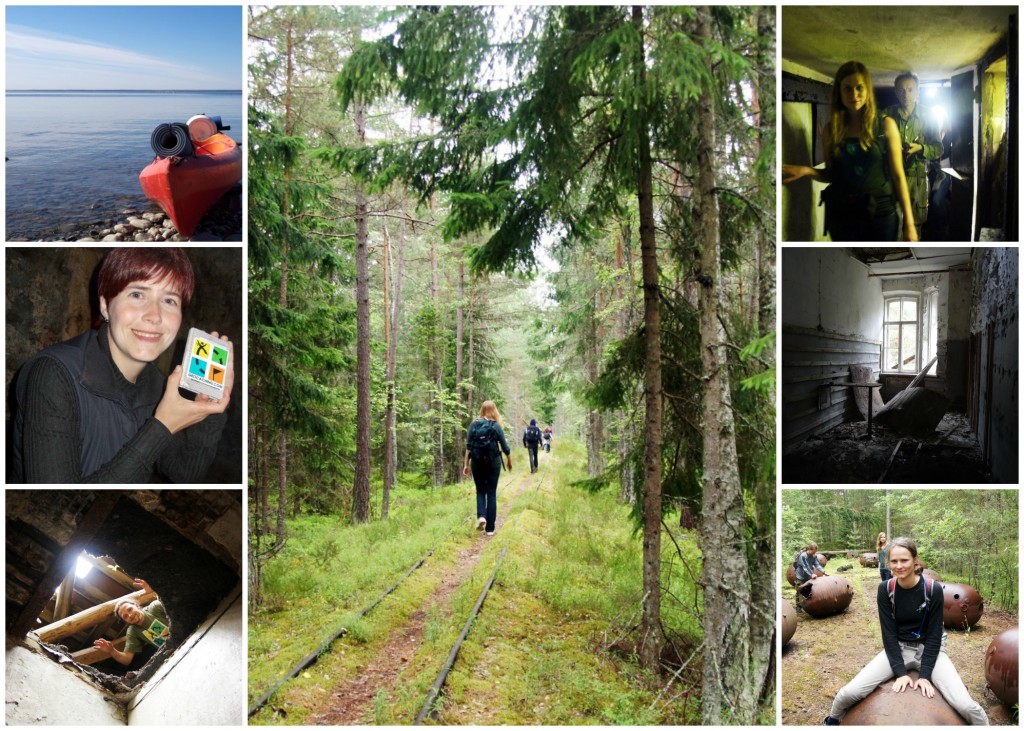
This D5/T5 multi-cache is at least a full-day’s adventure. It’s located on one of Estonia’s largest islands, Naissaar, which is covered in protected coniferous forest. But stroll for a while along the nature trails and you’ll eventually come upon artifacts and ruins from a long history of military activity on the island. These include cemeteries for British sailors from the Crimean War, Soviet bunkers, and deep-sea mine anchors. If you’re taking this one on, bring a flashlight, friends to keep you company, and some common sense.
GC2FMR0 is a 20-stage multi-cache across the island of Naissaar.
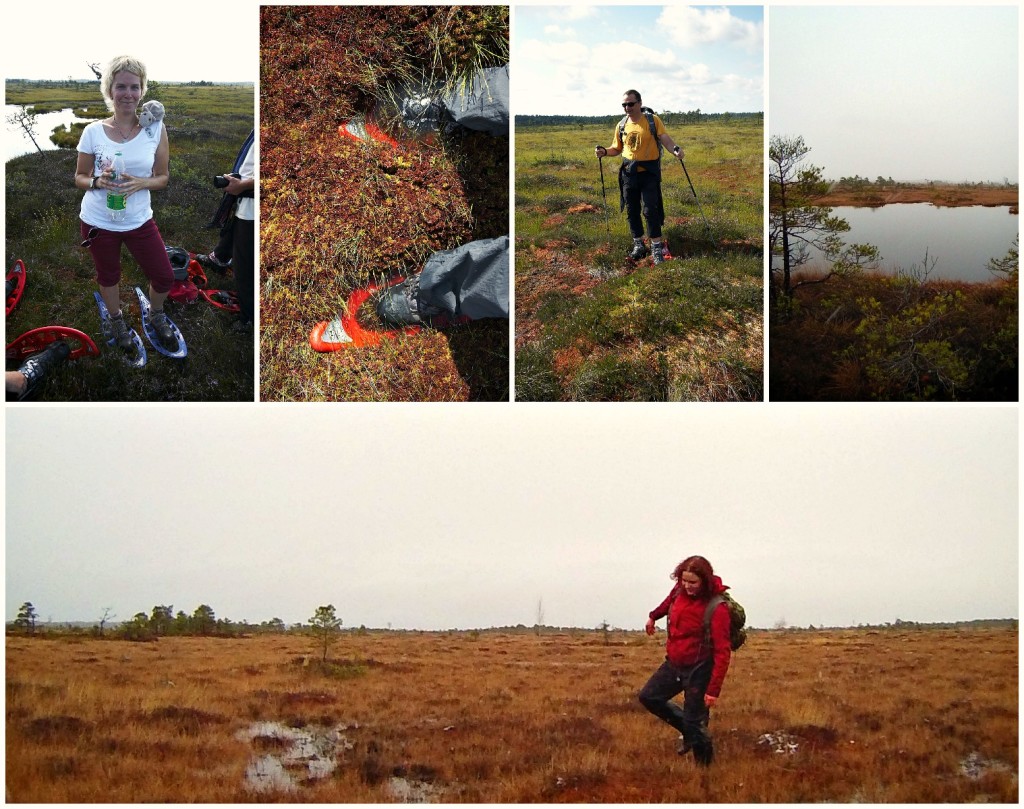
This cache in south-eastern Estonia requires special equipment. Namely, bog shoes. It’s no surprise that bog walking, a cousin of snowshoeing which has one trudging across pudding-like peat moss rather than snow, is a popular activity for both tourists and locals: about one-fifth of Estonia’s mainland is covered by bogs and mires. And many of those bogs and mires contain geocaches, such as this one hidden at the end of a hike through beautiful, soggy, and boggy landscapes.
Don’t forget your bog shoes if you’re going for this cache!
What geocaches are on your Estonian geocaching trip bucket list? Find a geocache in Estonia, and you’ll earn the brand new Estonia country souvenir!
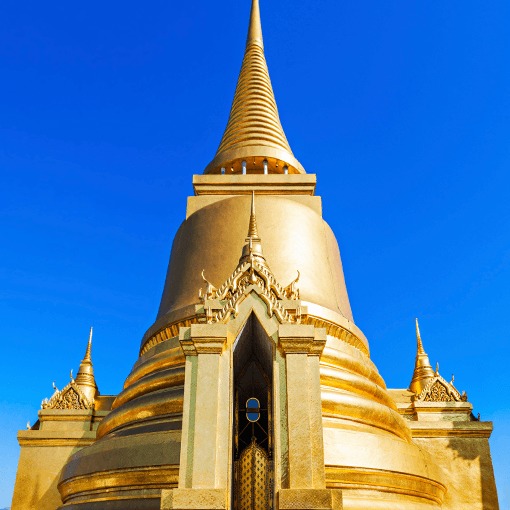 Besuche den Großen Palast in Bangkok, der Hauptstadt Thailands.