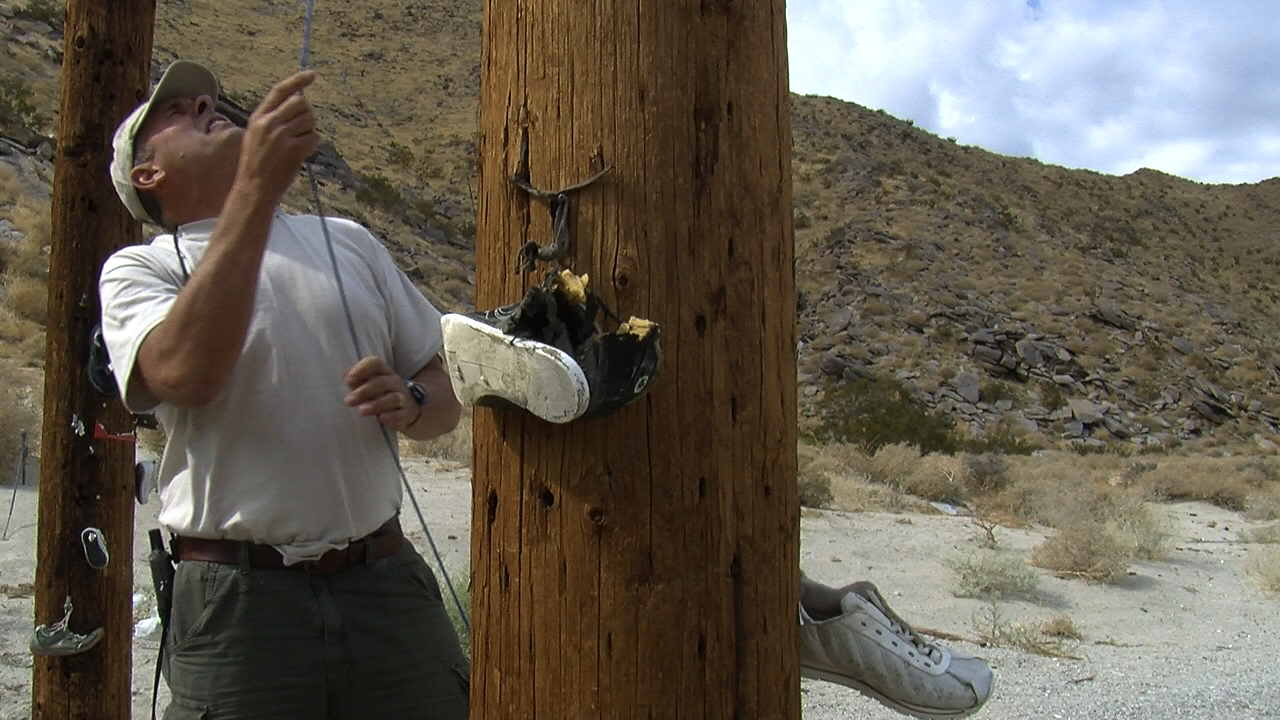
One-third of all land on the planet is considered desert. The parched earth is not off-limits to the ingenuity of geocachers. Watch the Geocaching.com Lost & Found video “Desert Geocaching.” See your fellow geocachers use the sand and shrubs as a sprawling canvas to create and enjoy the GPS-enabled treasure hunt.
Desert geocaching in California
Geocachers say the wide expanses offer those hiding geocaches nearly unlimited creativity and those finding geocaches unlimited fun.
You can explore more videos on the adventure of geocaching. Check out the Geocaching.com Lost & Found video gallery. Explore 4×4 geocaching, watch a Travel Bug go around the world and visit the highest and lowest geocaches in existence.
There are just five words in the name of this geocache. It’s the fourth word you should pay attention to most. It’s the word “extreme.” The geocache is rated a terrain five, for a heart-pounding, jaw-dropping reason.
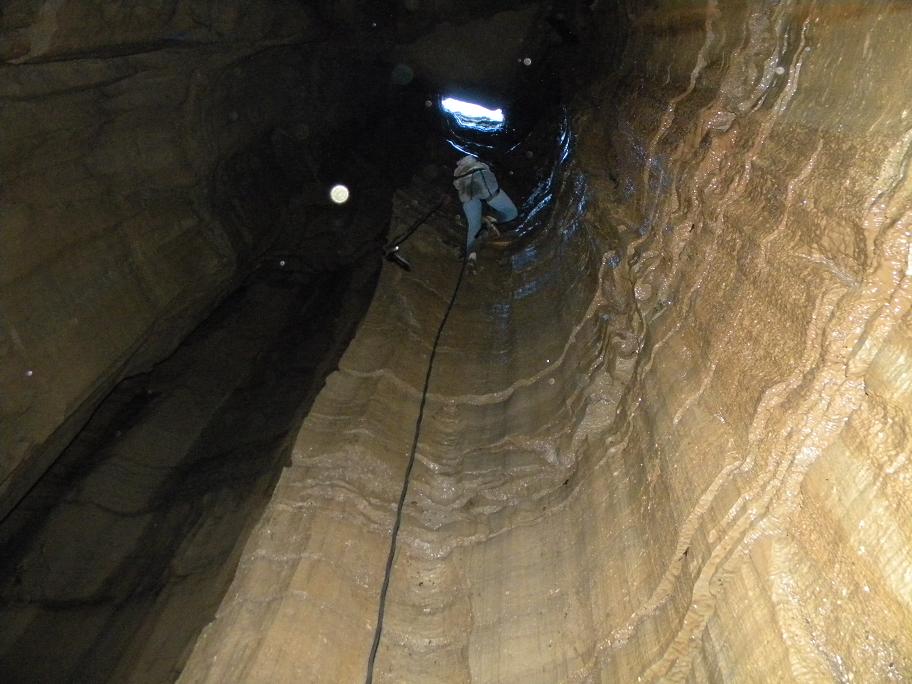
“Cavers Plunge (an extreme cache)” (GCRVXB) challenges experienced and prepared vertical cavers to geocache in the deep recesses of a nearly forgotten Kentucky cave.
Cache owner Moonsovrbend warns this cache is only for the most competent vertical cavers, accomplished at repelling and then ascending a free-hanging rope.
The cache was published in January of 2006. More then twenty extreme geocachers logged a smiley on the cache and enjoyed the thrill of underground exploration. One geocacher described the cache as “a beautiful experience.” This cache, and many of the most extreme caches, require extensive planning and organization. Cache owners, like Moonsovrbend, are often more than happy to assist in preparation for the cache.
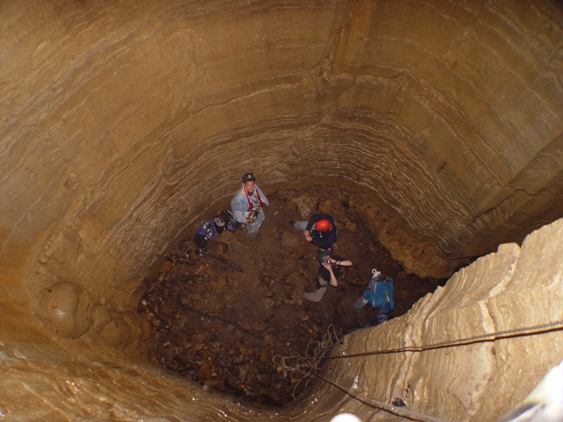
At the bottom of "Cavers Plunge (an extreme geocache)"
Geocaches range from easy to extreme. The rating system for “difficulty” and “terrain” ranges from one star (most accessible) through five stars (most difficult). Be aware of the terrain and difficulty ratings before you attempt a geocache.
Continue your exploration with some of the most engaging geocaches from around the world. Explore all the Geocaches of the Week on our blog or view the Bookmark List on Geocaching.com.
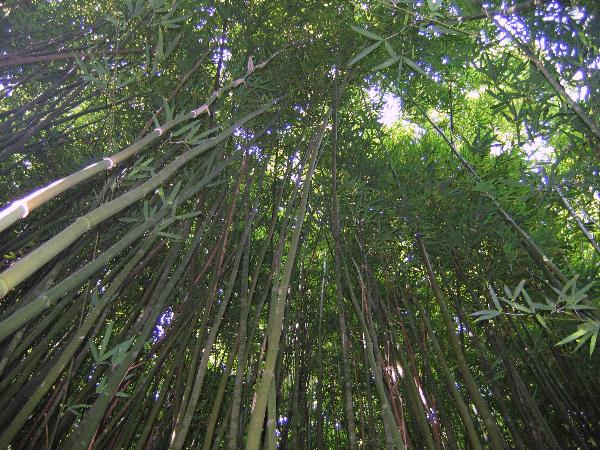
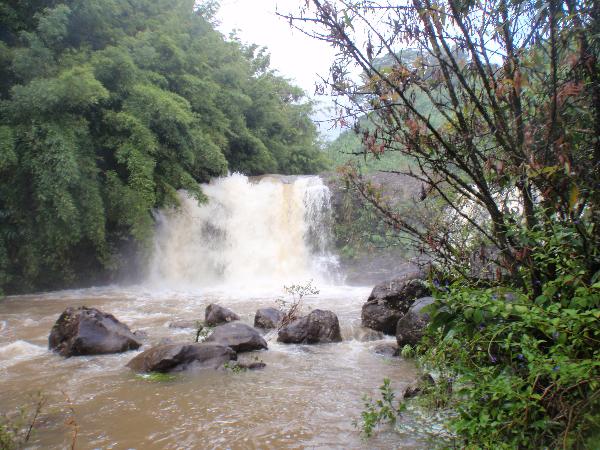
Geocachers trek through a Hawaiian paradise of bamboo forests and waterfalls to discover “Na’ili’ili-haele WaterFalls Cache” (GCHREH). But paradise can be deceiving. The cache is rated as the most arduous terrain and difficulty a geocacher can endure. It’s a five terrain and five difficulty.
You’ll encounter a lush bamboo forest and four waterfalls. The journey takes a twist when geocaches must swim a hundred feet across a mountain stream to continue their adventure. The swim though is just the beginning. Geocaches must also scale a rock wall using a wooden ladder.
Nearly a hundred geocachers have already logged a smiley on the cache. The traditional cache was placed back in 2005. Dozens of posts have already thanked those who paced the cache and the geocacher who adopted the cache. They read, “Wow – so this was pretty epic!” and “Our first 5, 5 and man is it deserving of it. This is the type of adventure I have always dreamed of as a kid.”
One of four waterfalls - GCHREH
Continue your exploration with some of the most engaging geocaches from around the world. Explore all the Geocaches of the Week on our blog or view the Bookmark List on Geocaching.com.
Experience geocaching in one of its most extreme forms, scuba caching. Follow geocachers bblhed and MessSGT. The geocachers are certified as scuba divers. They suit in scuba gear to search for a geocache at the site of a sunken boat. Scuba gear is one of nearly ten equipment attributes that help you understand and prepare for each geocache.
Earning a "smilie" on a scuba cache
Scuba caches typically receive the highest difficulty and terrain rating. The five rating is due to the specialized equipment required for the geocache and the unforgiving environment in which the geocaches are placed.
Explore even more geocaching adventures in the Geocaching.com Lost & Found video gallery. You can go along on a kayak geocache, see the geocache on the International Space Station and find out why a U.S. Army bomb disposal technician says geocaching kept him safe in Iraq.
Mt. Fuji, outside of Toyko Japan, reaches 3,776 m (12,388 ft.) into the sky, but is still not immune from the trash found at lower elevations. Geocacher atstgm helped organize an ascent of Mt. Fuji to complete a grueling Cache In Trash Out (CITO) tour.
Mt. Fuji CITO
Armed with garbage bags more than a dozen geocachers started hiking up the tallest mountain in Japan at 11:00am on September 3rd.
They stayed over night at a staging area, then began hiking again in the predawn darkness at 1:30am on the 4th.
Mt. Fuji CITO Logbook
The group reached the summit of Mt. Fuji around 5am and began the CITO event by picking up bags full of trash. They also searched for the five geocaches along the route and at the summit. Watch this raw video of the ambition climb.