Giga-Events are the largest event type and are attended by over 5,000 geocachers. For those who attend, you’ll earn the rare Giga icon in your statistics, plus you’ll get the opportunity to meet tons of geocachers from around the world. See the list of upcoming Mega/Giga-Events.
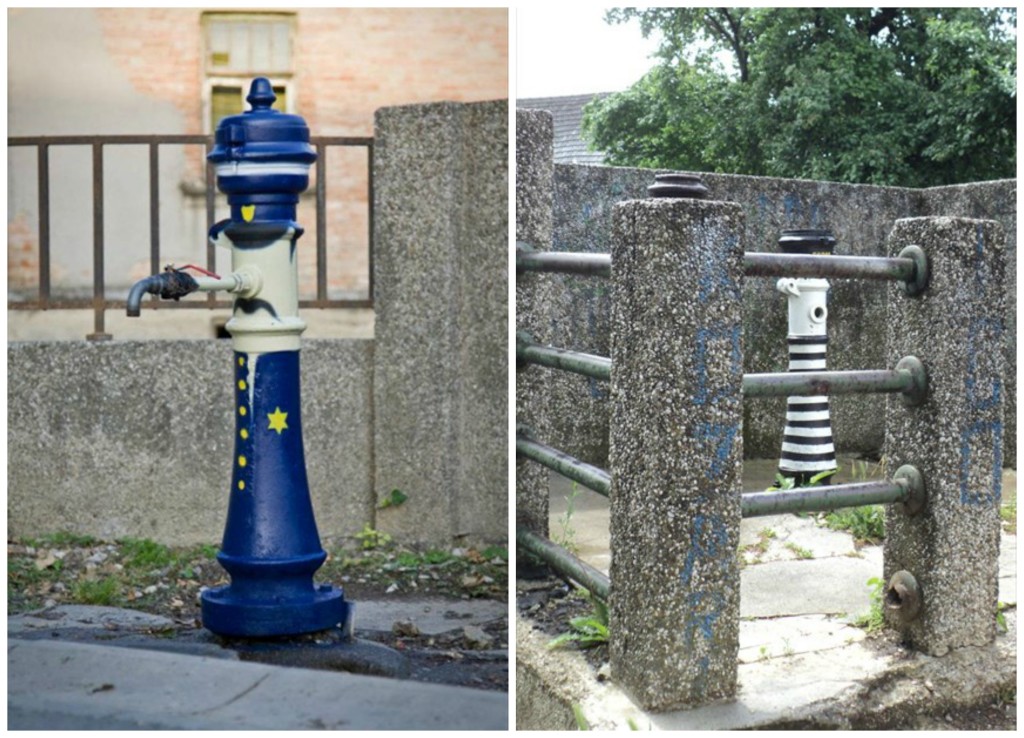
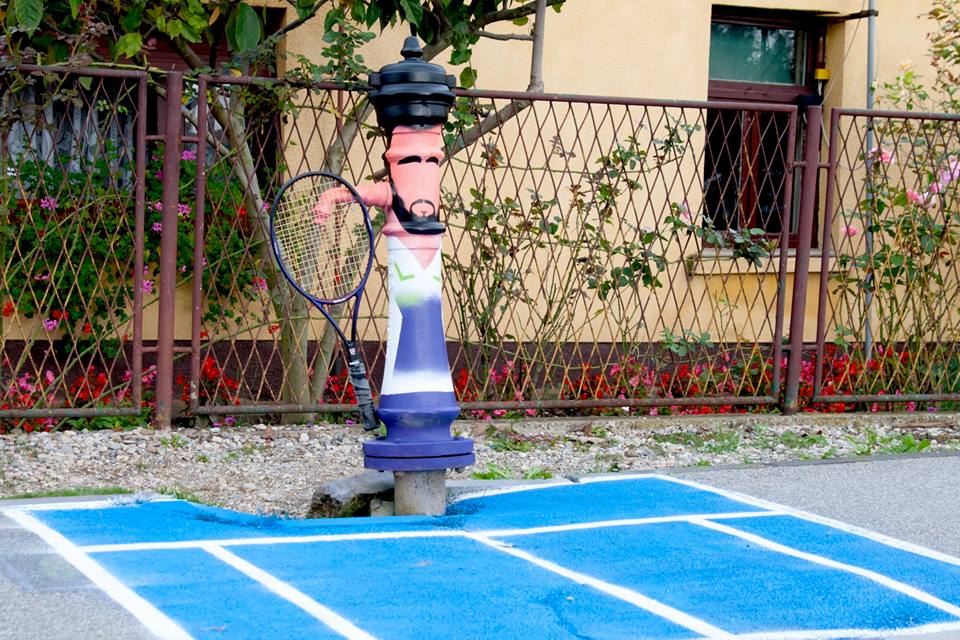
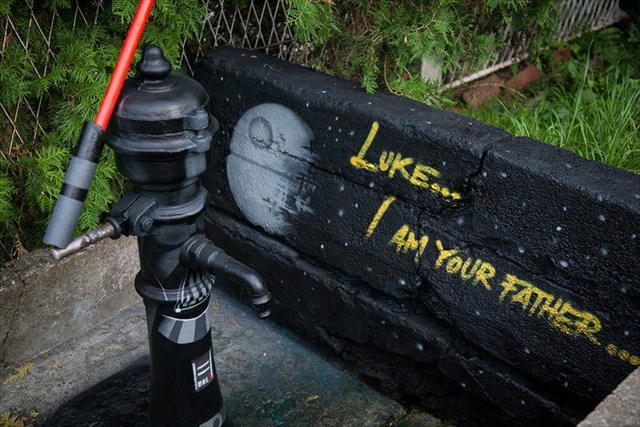
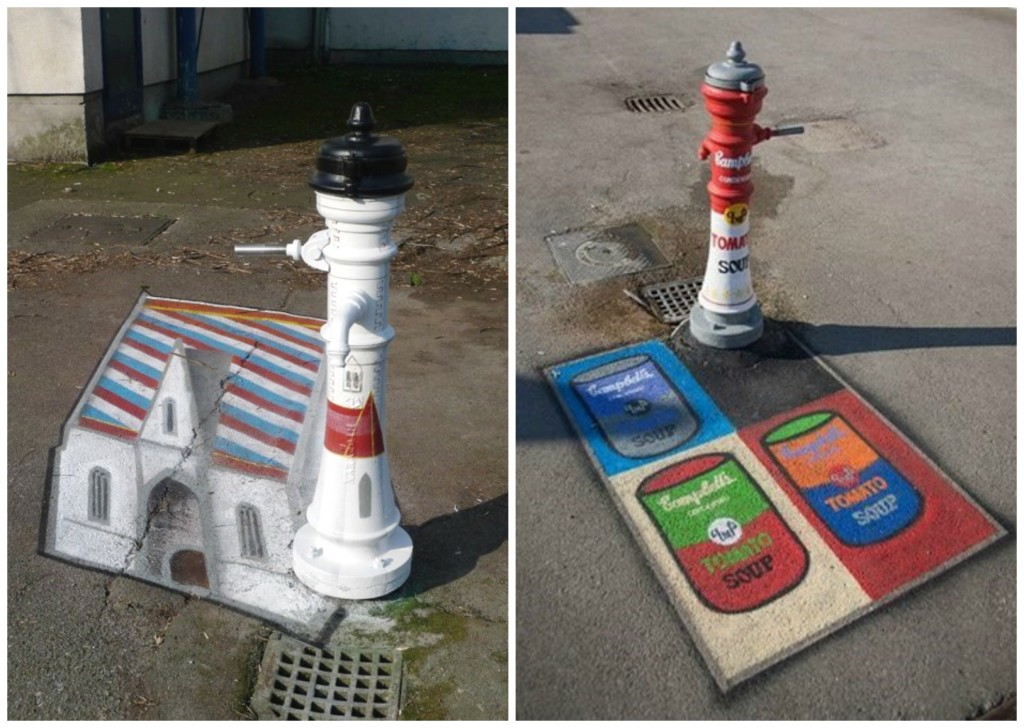
Marge Simpson, Kurt Cobain, and Mr. Spock have taken up residence on the streets of Zagreb, Croatia, thanks to a group of local artists and a project called “Pimp My Pump.”
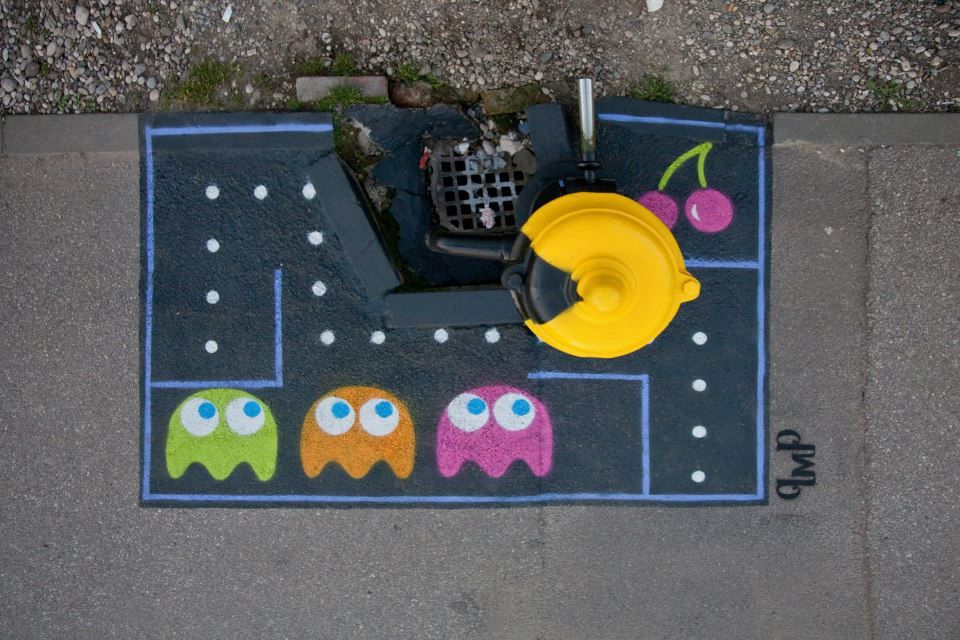
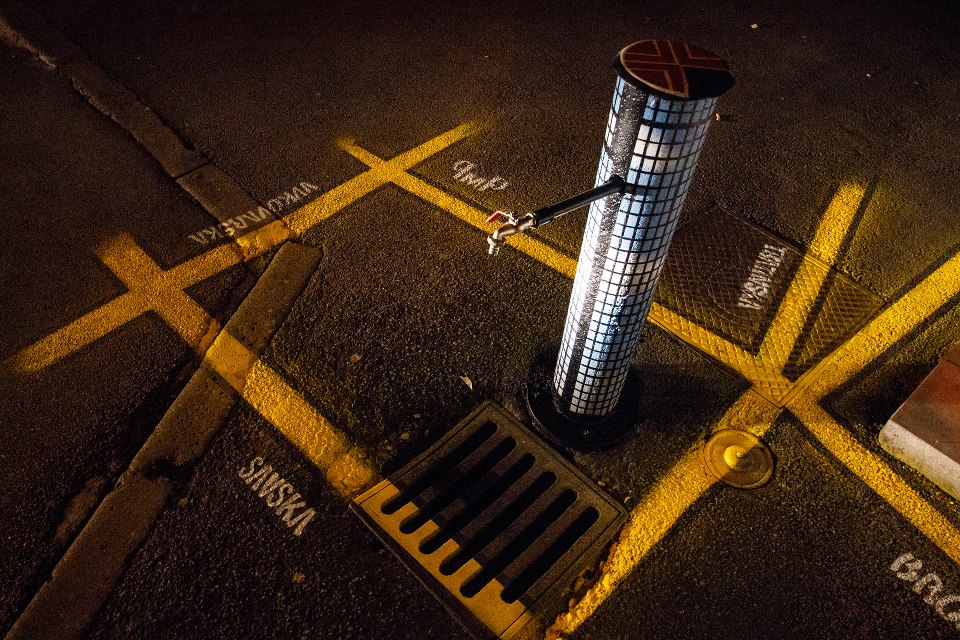
Scattered across Zagreb are a series of old water pumps dating back to the end of the 19th century. You’ll find them in yards, the spaces between buildings, and at the sides of busy roads. Originally constructed to bring water to neighborhoods not connected to the municipal water supply, the pumps had long been disused and mostly ignored before the “Pimp My Pump” crew came along and transformed them into colorful, astonishingly creative, and at times hilarious figures.
Now, geocacher ArizonaSmith has placed a geocache at many of these pumps, effectively creating a geocaching tour of the series. Find all of the caches on this bookmark list, and you’ll also find a sidewalk Pac-Man game, a pump in jail with a police pump standing watch nearby, and Jimmi Hendrix pump.
Photos:
Continue to explore some of the most amazing geocaches around the world. Check out all of the Geocaches of the Week on the Geocaching blog.
If you would like to nominate a Geocache of the Week, fill out this form.
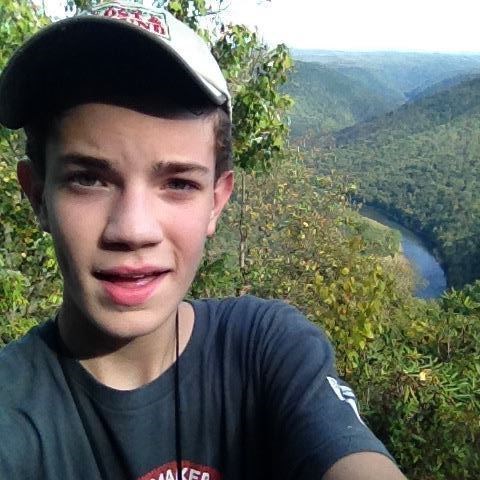
My name is Mark Webb. I’m fourteen years old, live in West Virginia, USA, geocache as Troopbiz, and have over 1,800 finds. I love geocaching because I get to explore new places around my hometown that I’ve never been to and it allows me to get outside and explore nature.
Getting Into Geocaching
The early days of geocaching
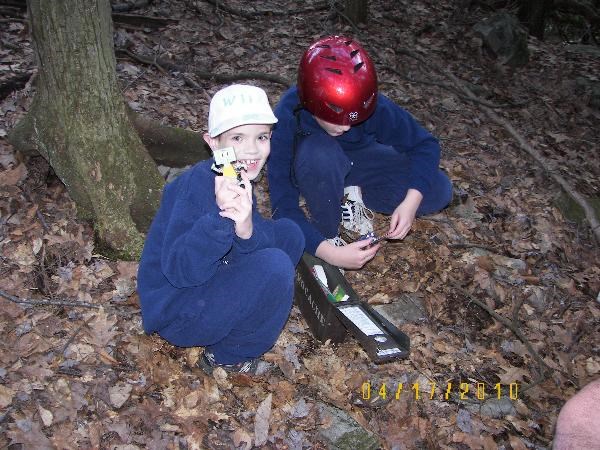
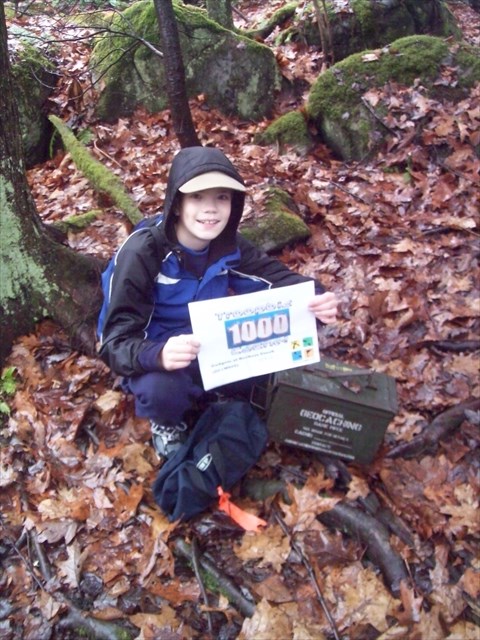
I first started geocaching on July 1, 2009 at the age of 8. My Mom came across a link to Geocaching.com while looking at the local parks and recreation site, and it snowballed from there. I found my first geocache, Black and Gold (GCRET0) two days later. I was hooked. What started out as a family activity to get outside and explore new areas, turned into a new loved obsession. Within that first year, I found over 100 and was eager to find 100 more. Three years later, I found my 1,000th geocache, Gadgets at Deckers Creek. (GC1M90Y).
1000
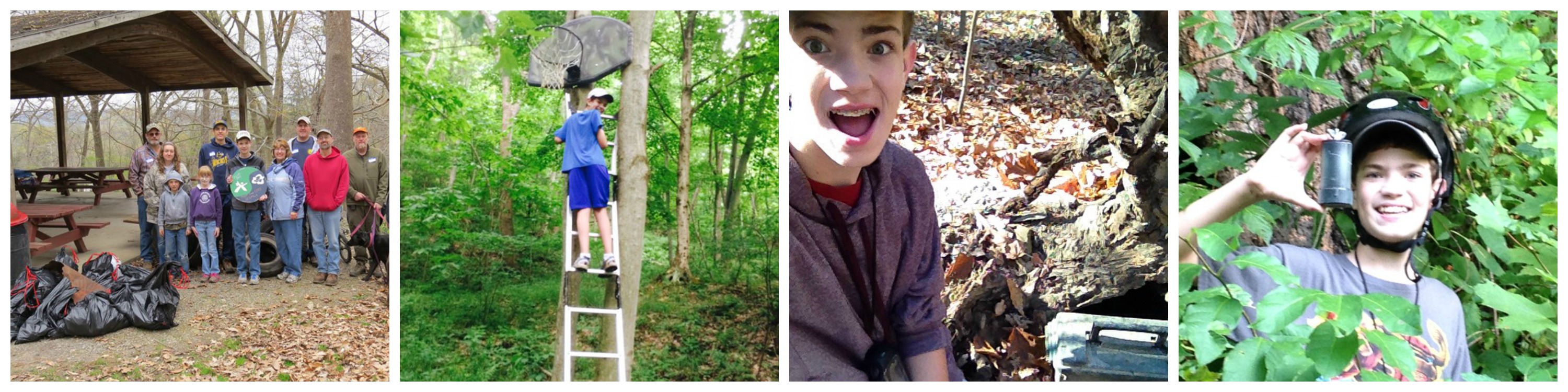
Shortly thereafter, I joined the Boy Scouts and quickly earned the Geocaching merit badge. I have educated many Boy Scout troops as well as a 4-H club in my community about geocaching by going caching with them around a local park.
Quality Over Quantity
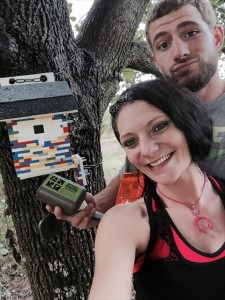
Geocachers find Troopbiz’s cache, Brick By Brick (GC5JB1H), built completely out of LEGOs!
Although it can be fun to get wrapped up in the numbers, what really matters in the find behind the numbers. What makes geocaching fun is when someone puts a lot of thought and planning into a geocache.
Therefore, I like to do the same with my hides. My first geocache, Up, Down, & Up Again! (GC29NWE) currently has 242 finds and 51 favorite points. I hid a cache called Brick By Brick (GC5JB1H) made completely out of LEGOs. I also have a Puzzle Cache called Cars Cache (GC5AK6Y) based off the movie Cars. I enjoy Puzzle Caches the most because they offer an initial thrill of solving the puzzle, then another after you find the cache. I have also made friends with several other creative geocache hiders in my area such as arealwhit and killlerbee, and we go caching together on a regular basis.
It’s Not Always Easy Being Young
Being a young geocacher does have its advantages, like thinking differently when looking for a cache or climbing a hill with ease. But there are several disadvantages. The hardest thing about being a young geocacher is not having my driver’s license yet. My family and friends assist me on most of my caching adventures. It takes a lot of planning (and convincing), but they usually let me grab “just one more” cache.
Hosting CITOs, earning T5s, cachin’, and getting the FTF – all in a day’s work for Mark
It is also very difficult to complete challenges like the Fizzy Grid or the 365/Every Day Challenge with family members who don’t have the same drive as me. Another disadvantage of being a young geocacher is not understanding older references. Many Puzzle Caches in my area revolve around older movies, tv shows, and songs. Although I don’t always understand what references a geocache is making, Google usually does!
The Future of Geocaching
What adventures await us in 2016?
I’m excited to see what the future of geocaching has in store for 2016. One huge accomplishment I would like to achieve is making my 2,000th find. I would also like to continue working on my Fizzy and Every Day grids. Although I don’t think I will complete them any time soon, every block filled is another step closer.
I’m also looking forward to events in 2016, such as attending my 5th Midwest Geobash. In general, I would like to see more teens get into geocaching as it is a good way to get away from reality and explore new areas in your hometown. I can’t wait to see what the new year holds and what geocaching adventures await!
We love meeting members of the geocaching community that inspire us. Have you ever geocached with someone from a different generation, and learned a thing or two? If you’re a younger geocacher, what tricks of the trade have you learned from more “mature” geocachers? Tell us in the comments below!
It only happens every four years. It gives us 366 calendar days which means we all have one extra day to go geocaching. So of course, we’re celebrating with a souvenir — actually, make that two!
The first souvenir can only be earned on Leap Day itself — February 29 — by attending a geocaching event. The other souvenir can be earned all weekend long (February 27-29) by getting outside and finding a geocache.
Leap Day exists to correct for the difference between the calendar year and the astronomical year. The 365 days of the calendar year represent Earth’s movement around the sun every 365 days. But Earth just ate a pizza and is actually moving a bit slower than that: it takes 365 days, 5 hours, 48 minutes, and 46 seconds for Earth to revolve around the sun.
And so, the calendar is adjusted to compensate for that extra time, by adding an extra day to the year about every four years (but not every four years). If we didn’t correct for the difference between the two calendars, the northern hemisphere would eventually end up celebrating New Year’s Eve during summer. In the southern Hemisphere, more cities might see a snowy Christmas. By the year 2736, the US would celebrate the 4th of July in deep winter.
And if you like swirling down an interesting internet search spiral on the mixed-up history of the Julian and Roman calendars, click here.
Cela n’arrive qu’une fois tous les 4 ans. Il y a 366 jours calendaires ce qui signifie que nous avons tous un jour de plus pour géocacher. Donc bien sûr, nous fêtons ça avec un souvenir — non en fait, deux !
Le premier souvenir ne pourra être remporté que le jour même — le 29 février — en participant à un event géocaching. Le second souvenir pourra être remporté tout au long de ce week-end (du 27 au 29 février) en trouvant une géocache. (Indice : Vous voudrez certainement gagner les deux…).


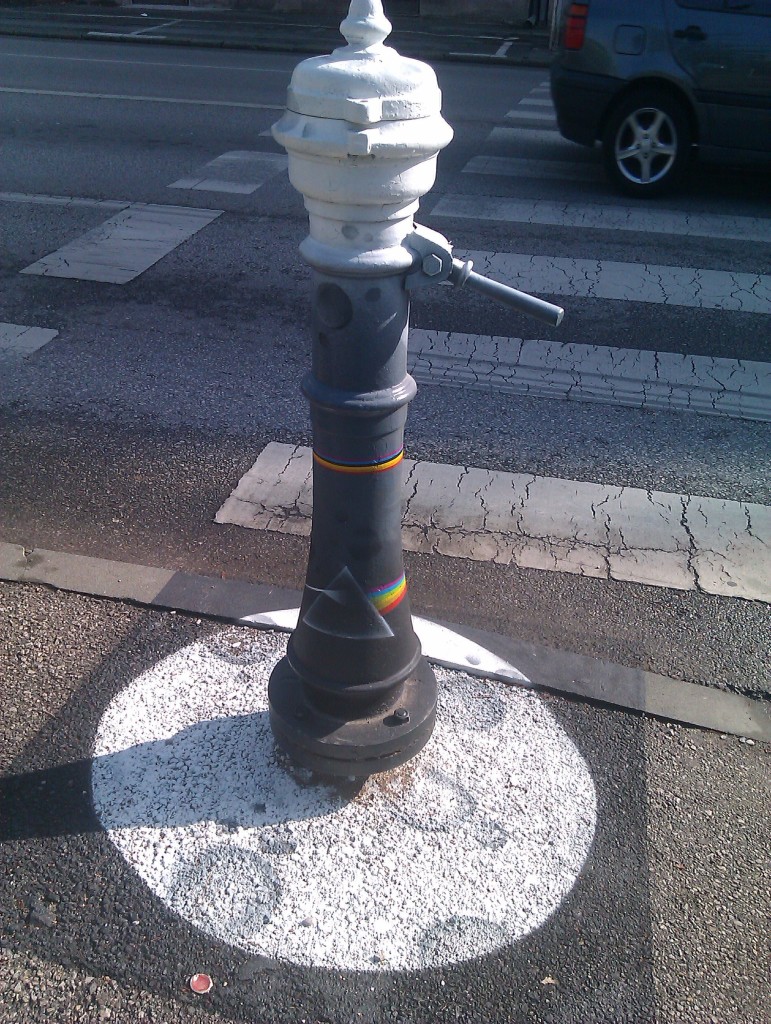 Pimp my Pump series