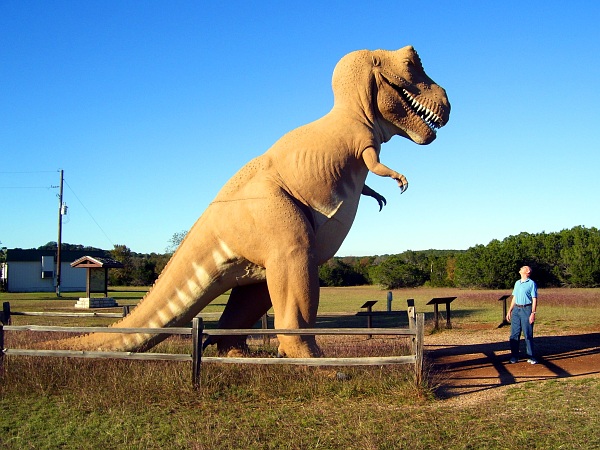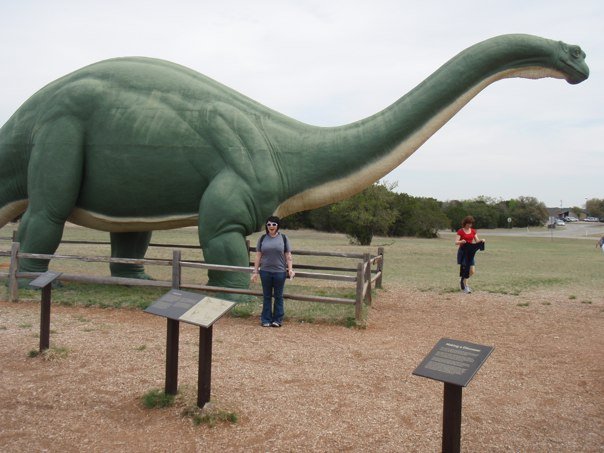
Geocaching can lead you to see the world in a different way. The symptoms begin early. First you see a location and think, “there could be a geocache right there.” Next you see a a park or a familiar fence line and think, “I’ve found a geocache there.” Finally you see an inspiring location and think, “There should be a geocache there.”
And some geocachers go even further. They see a geocache hide and think, there’s no way I won’t get that. It doesn’t matter that it might mean dangling from a cliff, or climbing a tree or navigating into the darkness of a winter forest.

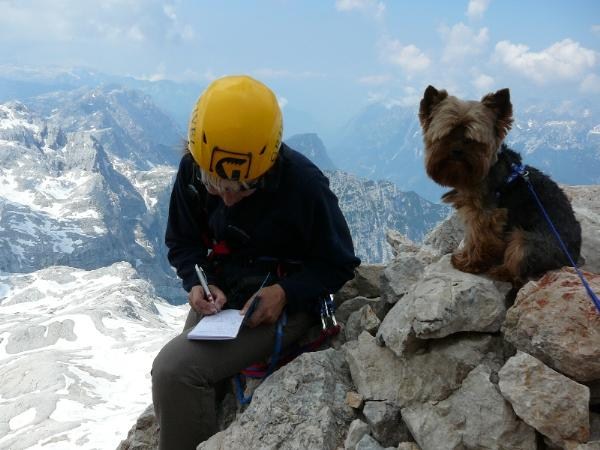
These are an extreme breed of geocacher. They search for geocaches with a terrain rating of 5. Not only do they enjoy the thrill of turning upside-down or wiggling into a small cave to find a geocache, they also enjoy sharing their geocaching adventures online. Geocaching can be dangerous, so make sure you always take the proper safety precautions. A good example is the final picture of geocachers who brought a guard dog to a mountain top.
Geocaches have difficulty and terrain (D/T) ratings so you can make the decision before you even leave the house. The rating slides from a 1/1, which means the geocache is easy to find in a handicapped accessible area, to a 5/5, which means that after hours of exhausting physical work to get to ground zero involving specialized equipment like a boat, you’re still going to have a hard time finding the geocache. Find more info on the difficulty and terrain ratings.
Below you’ll find images posted to the Geocaching Facebook page of geocaches with terrain ratings of 4 or 5. When you see them, ask yourself, “would I make an attempt to find these geocaches?”
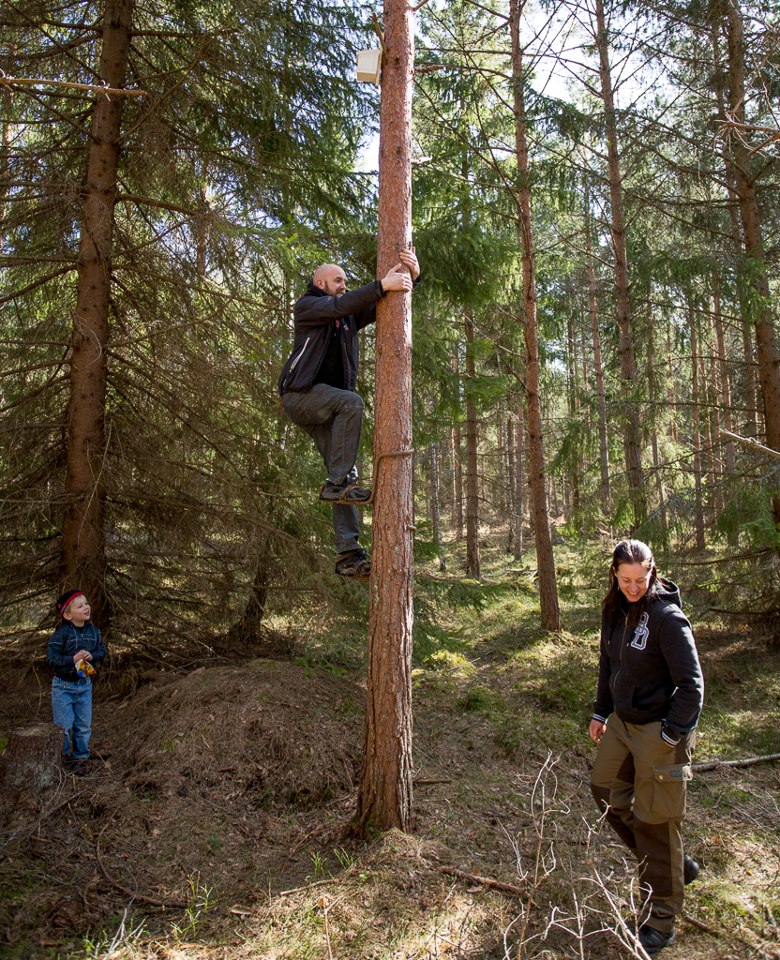
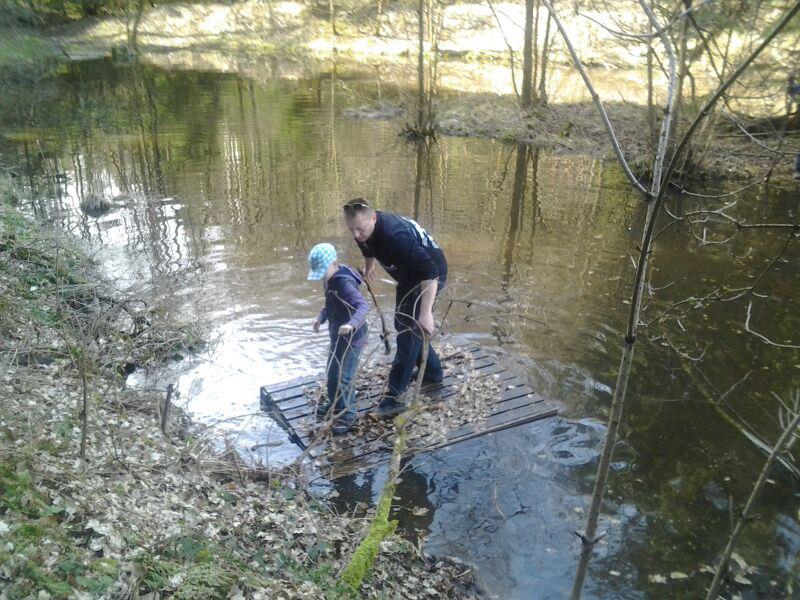
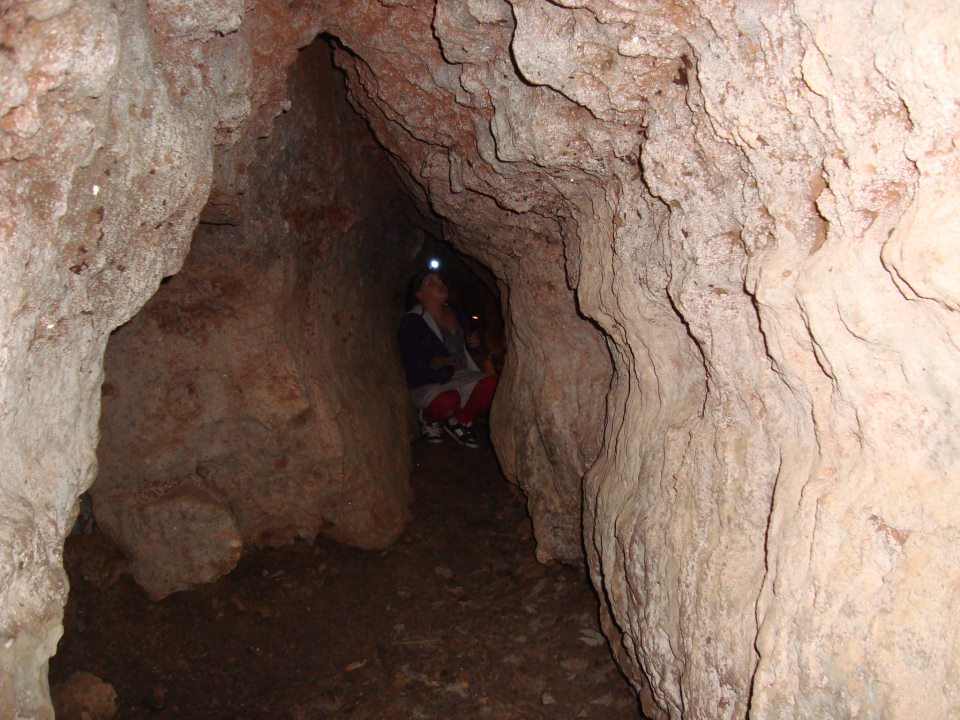

GC11A56
Still want more extreme geocaching? Check out Geocaching’s Extreme Multi-Caching video below.
[youtube=http://www.youtube.com/watch?v=UXkTDMvEUX8]

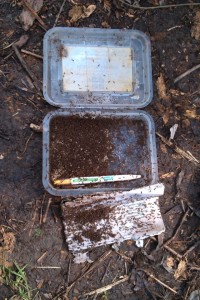
 Each “Needs Maintenance” request has two acts. One act delivers a red wrench, the other act takes that red wrench away. A red wrench attribute on a geocache page means the geocache most likely needs maintenance. The geocache container could be cracked, the log book could be full or the geocache contents might be soaked with water. Or a giant plant may have eaten it (see image).