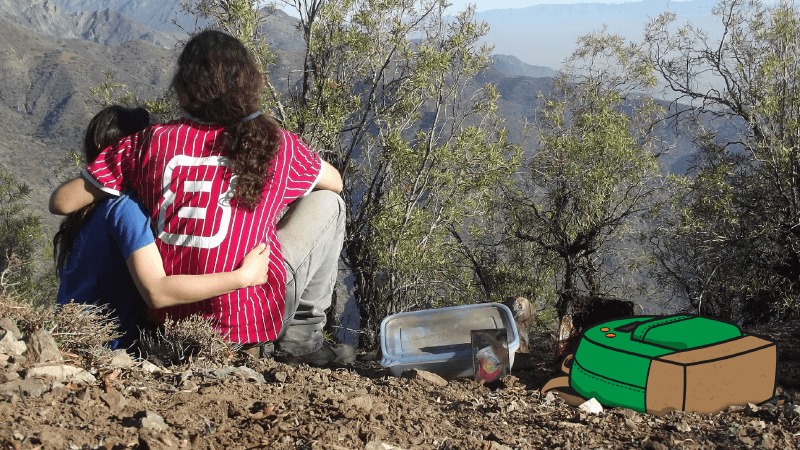
Guest blog written by avid geocacher (and dedicated nurse) Kelley Piekarek*.
A Floridian geocacher was reaching for a cache when she felt something bite her arm. Thinking nothing of it, she signed the log, replaced the cache, and moved on. Shortly thereafter her arm became red, swollen, and felt hot to the touch. The area surrounding the bite began to form what appeared to be an infection; her arm became very painful and she was running a high fever.
She went to the emergency room where it was confirmed that she had been bitten by a brown recluse spider. The area was surgically cleaned, she was put on antibiotics, and is now on the road to a full recovery.
Most spiders are absolutely harmless to humans. Of the 4,000+ species of spiders found in North America, only two are dangerous to humans—the brown recluse and the black widow.
Geocachers are fortunate to enjoy the wonders of nature. But as we all know, nature can be a bit scary sometimes. If you are informed and aware of your environment, you can avoid spiders bites and know what action to take if you’re bitten.
Brown Recluse
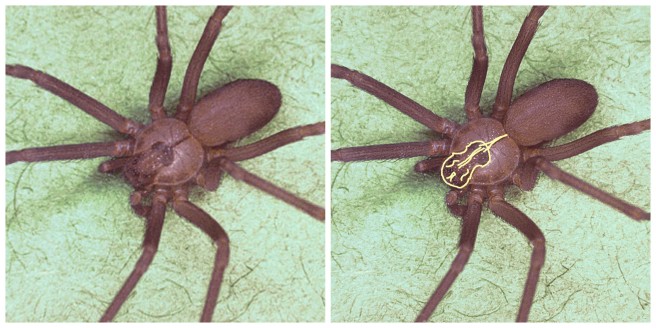
The brown recluse is ¼ to ½ inch long, and can be identified by the violin-shaped spot behind its eyes. They are native to North America and live predominantly in the Midwestern United States.

Black Widow
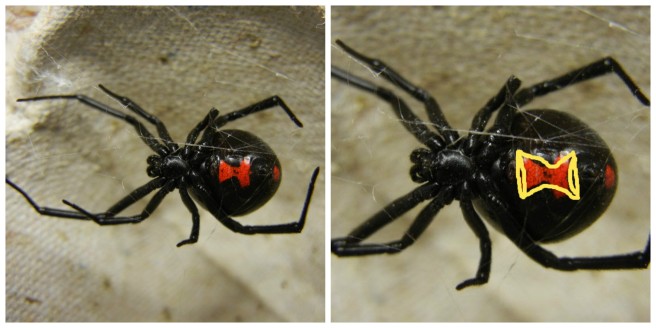
The black widow can be identified by a red, yellow, or white hourglass shape on their lower abdomen. There are many species of widow spiders found worldwide, but the North American variety is about ½ inch long.

Where do spiders like to hide?
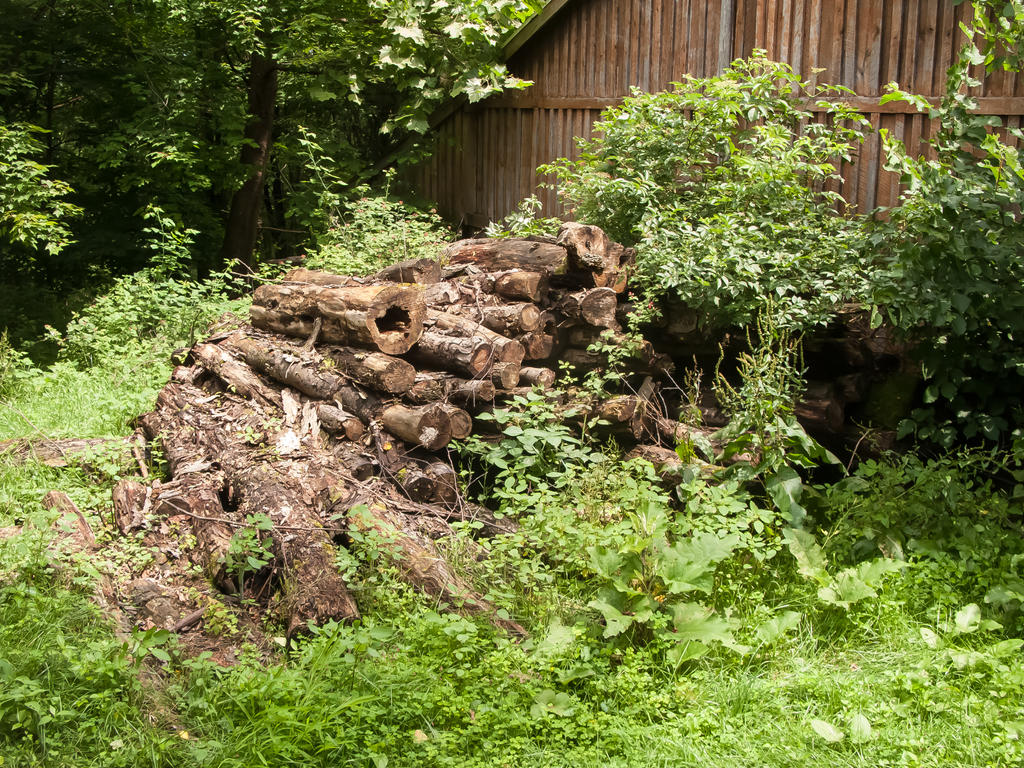
Spiders like to hide in wood piles
Both spiders are found in similar locations. Inside, they prefer to hide in small, dark locations such as closets, cellars, garages, vents, stored boxes, and within the cracks and corners of walls. Outside they prefer to live like a geocache—underneath rocks, in wood piles, and inside hollow tree trunks.
What do spider bites look and feel like?
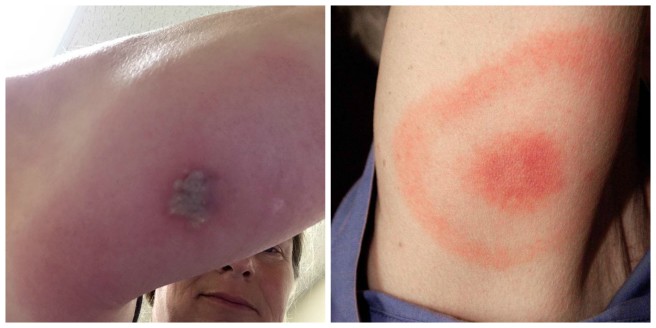
The bite of the brown recluse is usually painless and goes unnoticed, but it may feel like a bee sting or there may be a burning sensation. Symptoms usually develop in 2-8 hours starting with a small white blister at the site of the bite.
Many bites will cause a small red mark that will heal without problems or scarring. However redness, blistering, an open sore, and a black area may develop and take months to fully heal. Other symptoms include severe pain at the site of the bite, severe itching, nausea, vomiting, fever, and/or muscle pain.
The bite of the black widow is similar to the brown recluse, and initially may look like two tiny Dracula fang marks. It feels like a pinprick, but also may not be felt at all. There may be slight swelling, redness and a spot that forms a target shape. Fifteen to sixty minutes later a dull muscle pain will spread from the bite area to the entire body. If the bite is on the upper body, the pain will be in the chest. If the bite is in the lower body, the pain will be in the abdomen.
What to do if you’ve been bit

Most spiders bites are non-venomous and require no specific treatment, but if you suspect you have been bitten by a brown recluse or black widow:
- Seek medical attention right away
- Remain calm to keep your circulation relaxed
- Apply a cold pack to the area to relieve swelling and discomfort
- Do not apply a tourniquet
- If possible, bring the spider with you to the doctor’s office or ER for identification
How to avoid spiders
You’ve probably heard that spiders are more afraid of you than you are of them and that’s true. They’d prefer to avoid contact with humans all together, but they will defend their space. If you live in an area where co-existing with brown recluse and black widow spiders are part of the landscape, take some precautions:
Outdoors
- Watch for spider webs, which are the most obvious signs a spider is nearby
- Wear gloves and long-sleeved shirts, long pants, and sturdy shoes
- Move rocks and debris with a stick when looking for your cache to protect your hands
At Home:
- Keep your home clean and clutter free
- Bits of food can attract bugs which will in turn attract spiders, so vacuum and wipe down surfaces often
- Store your things in sealed plastic storage boxes or plastic bags with the edges taped shut
- When unpacking stored items, shake items out thoroughly before use
- Keep the sides of your home free of plants and debris
Stay safe out there, my friends. Be prepared and know what to do should a spider bite you, and keep on cachin’!
How do you stay safe while enjoying your favorite hobby?
*If the name Kelley Piekarek sounds familiar, it may be from this story that made national geocaching news in February 2015.