This week, rewind your enthusiasm, press play, and get ready for a little analog-style geocaching adventure.
Let‘s get back to the 80s – #14 (GCBGZ27) cranks the dial all the way back to a time before the digital world as we know it today existed. Spool up your curiosity, the 80s are waiting, and they’ve got a Mystery for you.
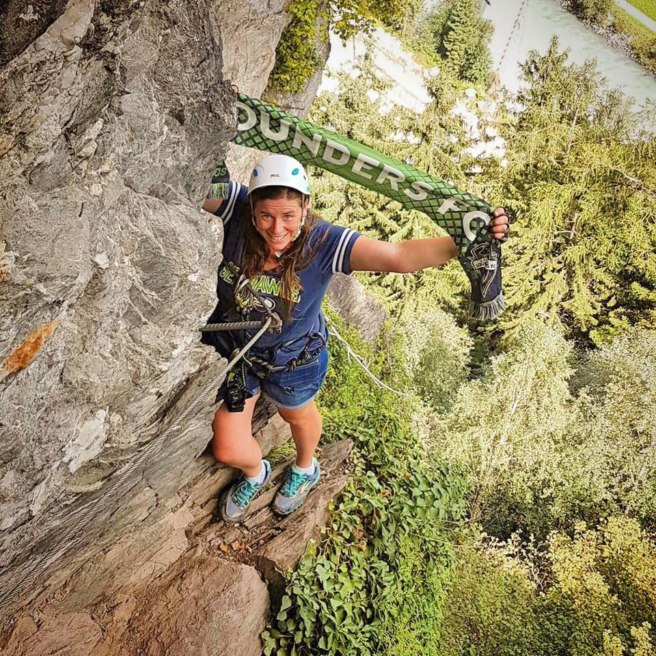
T5 Klettersteig caching in Austria and of course the Seattle Sounders
This blog post was written by geocaching superwoman and Geocaching HQ employee, Annie Love.
Geocaching can vary around the world. It also varies for individual cachers. Sure, the concept is the same. Use coordinates to find a location, search until you make the find, open the container, sign the log, make trades, then replace the container. Repeat as often as the heart desires, or as often as the obsession requires.
I recently posted about finding a T5 geocache in my flip flops on my personal Facebook wall. Many of my geocaching friends around the world think I’m incredibly silly (or just plain stupid) for geocaching in my flip-flops, but I do it anyway. The T5 geocaches I’ve searched out this year in my flip flops were only accessible via boat/kayak, so my choice in caching footwear made perfect sense up to that point. But that recently changed.
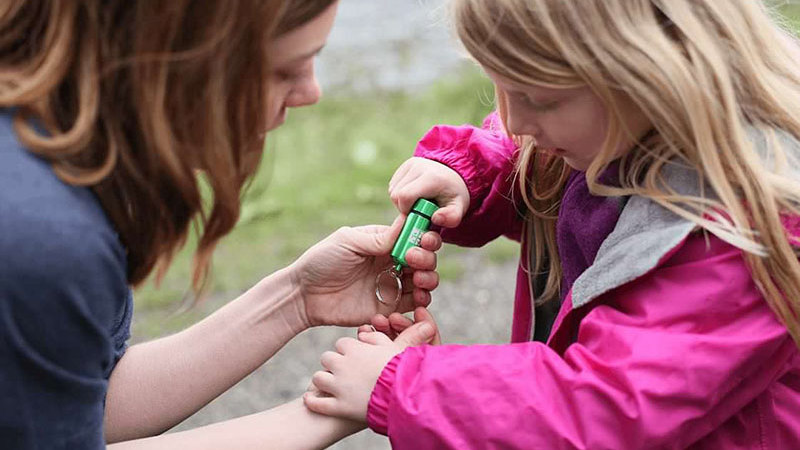
So you’ve heard about this “geocaching” thing for a while now, and you’ve finally signed up on Geocaching.com or through the Geocaching® app. You’ve done a search, selected a great cache to find, and now you’re within 30 feet of the cache. So, now what?
Here are ten tips for newbies looking for their first geocache.
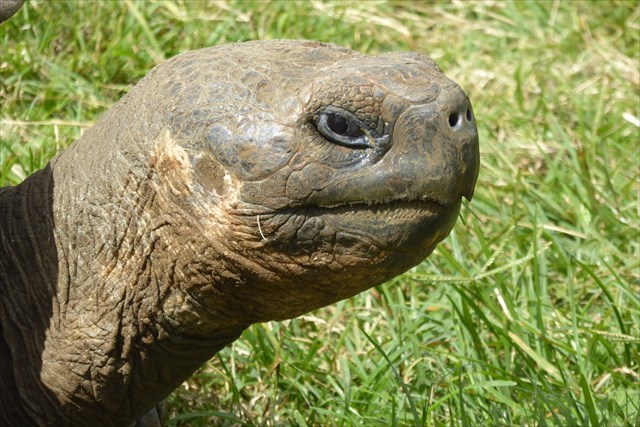
The Galapagos Islands are well-known for their expansive population of species. About 80% of the land birds, 97% of the reptiles and land mammals, and more than 30% of the plants are endemic, which means “belonging exclusively or confined to a particular place”.
Seldom in nature can you be approached by a wild animal. Bartolome (Galapagos) GC1KGT8can bring us up close and personal to nature. The island is also a geologist’s playground—so it makes perfect sense that a truly wonderful EarthCache is here.
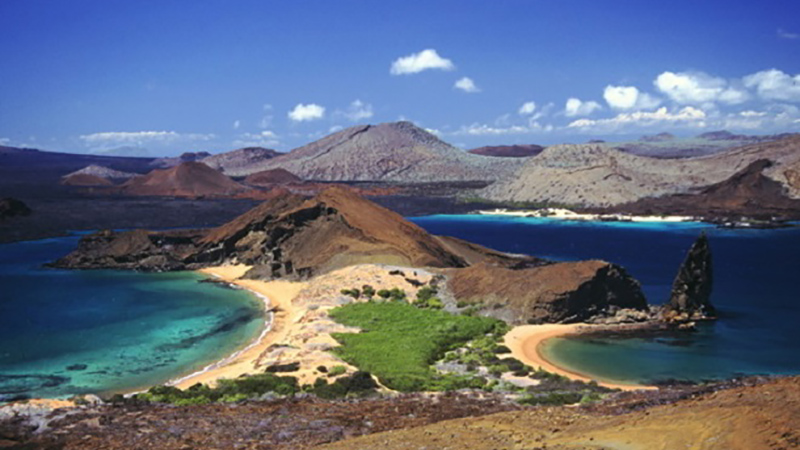
The little island, Bartolome, is only 1.2 square kilometers (297 acres). Rocky pillars of basalt called “tuff cones” jut out from the surface of the island. These pillars are remnants of hardened fallout of a volcanic eruption. One of the great rewards of GC1KGT8 is the stunning postcard view of the prominent Pinnacle Rock, the largest tuff cone on the island.
On the path to the beach, just offshore, you will find a large volcanic crater that is encapsulating.
If you brought your snorkeler you are in for a treat! According to the cache page the northern beach is open for swimming and the beaches of Bartolome Island are filled with fluorescent fish, playful sea lions, and even whale sharks!
The trail continues to lead you across a sandy isthmus to another beach at the southern end of the island. Swimming here is not welcome, and not as friendly. White tip sharks have been known to enter the waters and the cache owner Boiler warns of hostile ghost crabs in that area.
The trail ends with a rock path and a long wooden stairway (~360 steps) brings you through the lunar landscape with almost no visibility up to summit hill and the viewpoint of Pinnacle Rock.
If you are EarthCaching on Bartolome Island here are some notable vocabulary terms to take with you as per the cache page:
1.)Lava tubes: Formed by flowing rivers of lava whose outer layer cools and solidifies quicker than the core (creating a skin). The liquid lava continues to flow through the middle, hollowing out an area creating a tube like structure.
2.) Spatter cones: These cones are either a deep red, gleaming black or intense green. The cones are formed when the pressure of gases below the magma in an active lava flow push upward. The gases escape carrying big pieces of lava into the air. The outside of the lava cools down and turns black, and when it hits the ground, the lava ball bursts open releasing the hot magma inside.
3.) Lava bombs: The outcome of a spatter cone. The outside surface of lava bombs are smooth, but the inside of the lava bomb bursts open with broken fragments, creating A’a lava. The broken lava is very runny. However, once the gases all escape, the lava will start to slow, creating pahoehoe lava.
Here’s what our fellow cachers had to say about their experience:
One of the most beautiful landscapes in the Galapagos so far! What an awesome trip Elm77 and I are having. The climb was a breeze for me and the view spectacular. Our guide knew a lot about the geology of the area so I learned a lot! Answers and picture will be sent as soon as I get home. Thanks for the lesson! –Pomwoof
Last year on my 40th birthday I made myself the present of a Galapagos dive trip. And by doing so a dream came true. As a group of 16 divers from Switzerland we were able to charter the “Galapagos Aggressor” for our trip.
On the second day of diving after two dives at Punta Carrion we set foot on Bartolomé Island for a land tour. Of course I had already hoped at home that I would get the opportunity to visit one of the few caches around the Galapagos Archipelago.
I enjoyed the hiking a lot, admired the view from the top and even had the chance to see sea lions, penguins, Darwin’s finches, a lizard and a blue-footed booby – part of the animals on land, part while riding the zodiac. –Haiopaia
Thank you boiler for cooking up this hot EarthCache. Is that name a coincidence? I think not. Check out the beautiful photography from geocachers who have visited Bartolome Island and in the gallery below!
Save the Earth while geocaching?
Yes, please! We call it CITO (Cache In Trash Out®).
In 2018, geocachers around the globe will gather together during the weeks of April 21-29 and September 15-23 to pick up trash, remove invasive species, repair trails and earn a prized CITO souvenir. If you’ve never hosted a CITO and you don’t know where to begin, read on! Here are 6 steps to get you started.
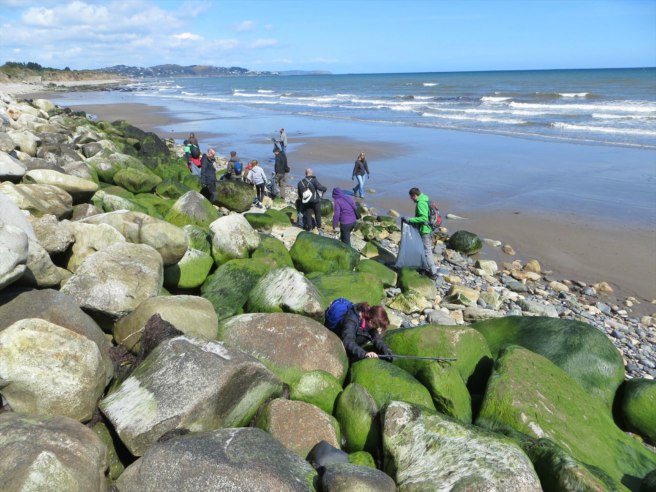
GC70P66 Cache In Trash Out (CITO)
1. Choose a location and a date.
Since your CITO event will result in an improvement to a public space, pick an area that’s important to you and/or that needs special attention. Make sure you have permission to host the CITO from the local land manager. If you are unsure about which location is best, call a local park manager or geocaching organization. They can provide assistance and support in selecting the best location.
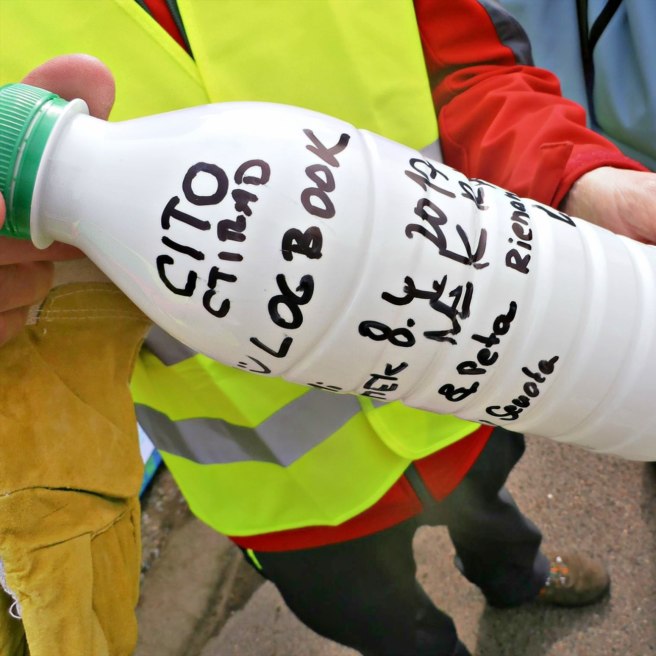
GC71MNJ CITO litter-al logbook
2. Pick an activity.
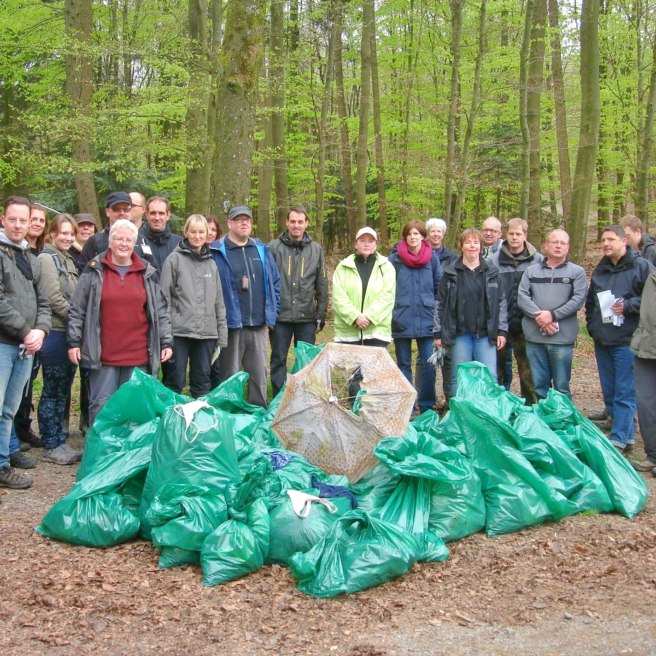
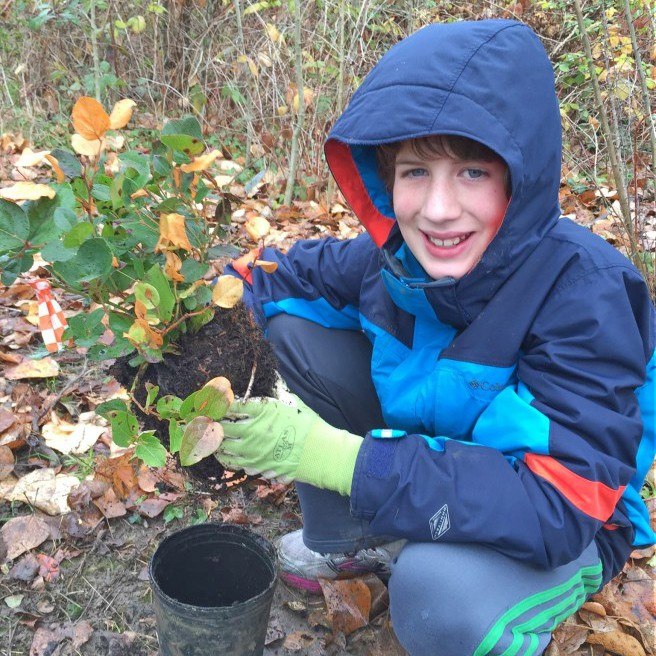
A CITO event should involve geocachers taking part in an activity that produces an environmental improvement to a park or another cache-friendly place. CITO activities have included trash pickups, tree plantings, invasive species removals, and trail maintenance. Need inspiration and direction? Talk to the land manager to find out where volunteers are most needed. See if there are any local environmental organizations already doing volunteer work, with whom you can partner. Call your city’s Parks and Recreation department to find out if any city volunteer initiatives are planned.
Your CITO event must be submitted at least two weeks before the date of the event. Get your event submitted early and give yourself time to square away any details.
Type & Location: Select Cache In Trash Out Event as the event type and enter the coordinates where your event will take place.
Waypoints (Optional): Is there parking near your event? A trailhead you need to find to get to the right spot? Let folks know.
Event Details and Description: Where is the event, what time does it start and end, and what will folks be doing? Is any special type of clothing or gear required? Will there be activities suitable for young children, or do you have to be a spring chicken to partake? Will there be a lunch break? Any safety concerns? The more details you can supply, the better.
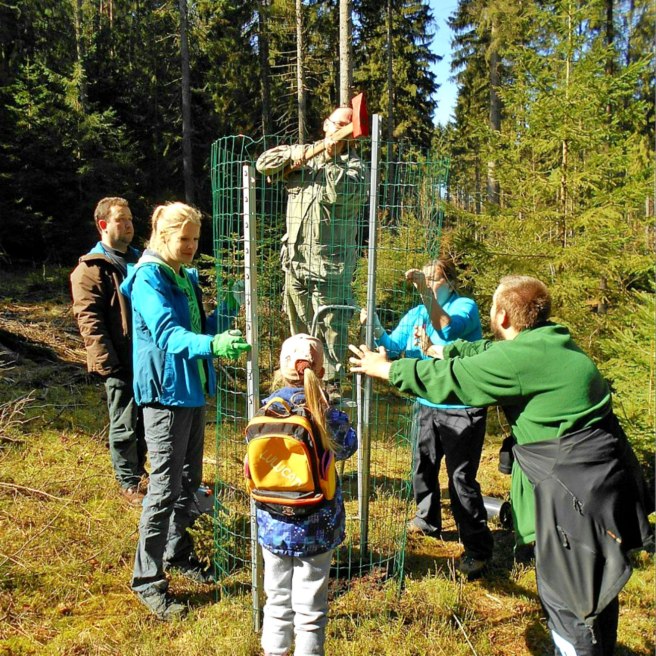
CITO in the forest
4. Wait for the event to be published.
Once you’ve reviewed and submitted your event listing, your local Reviewer will likely publish the event or request changes to it within a week. If you don’t hear from your Reviewer, check to make sure the event listing is actually submitted and enabled. Check to see if the Reviewer has posted any Reviewer notes in the cache logs section. Once you’ve made any necessary changes, review and submit the listing once more. Feel free to ask your Reviewer for advice if you’re struggling with the event listing.
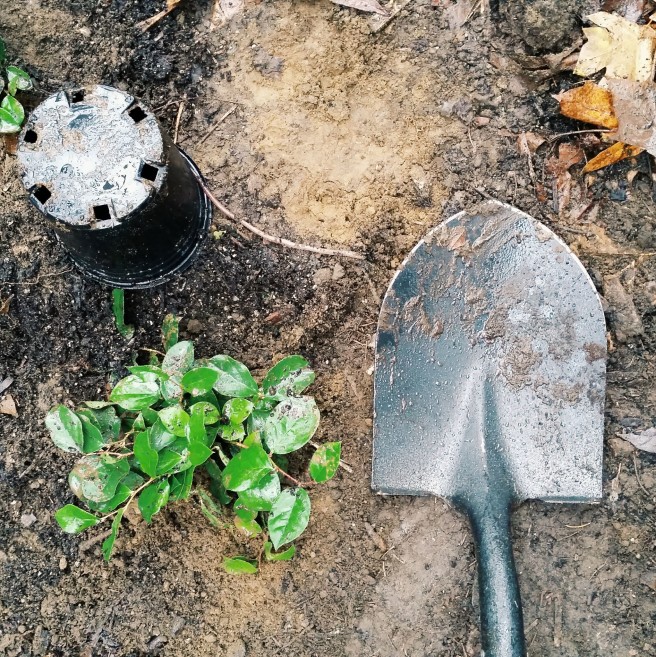
Planting trees for CITO
5. Once the event is published, let people know about it!
Is there a local geocaching organization you can reach out to, to let them know about your CITO? Maybe there are even some non-geocacher volunteer organizations you could recruit… the more the merrier!
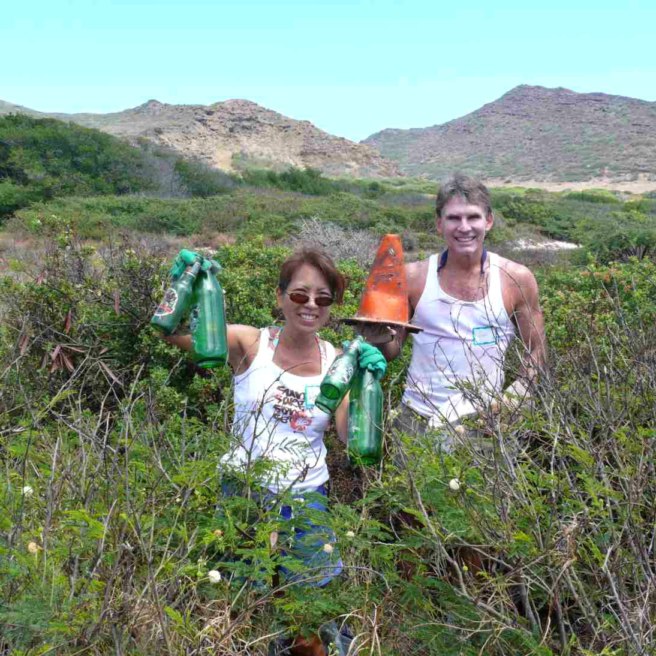
GC19C0T CITO in Hawaii
6. On the day of the event…
Show up early.
Watch the cache page and your e-mail for last minute questions.
See to it that every person knows what the activity is, and how to do it.
Agree on a time and location to meet up and debrief at the close of the event.
After the event is over, keep the event listed long enough to allow people to log the event.
Then write a thank you note, and archive it. Voila!
That’s all, folks! Remember: the CITO 2018 souvenir will be available for events during the weeks of April 21-29 and September 15-23, so if you’re planning to host an event that weekend make sure you submit the cache listing at least two weeks in advance, preferably more.




 If you brought your snorkeler you are in for a treat! According to the cache page the northern beach is open for swimming and the beaches of Bartolome Island are filled with fluorescent fish, playful sea lions, and even whale sharks!