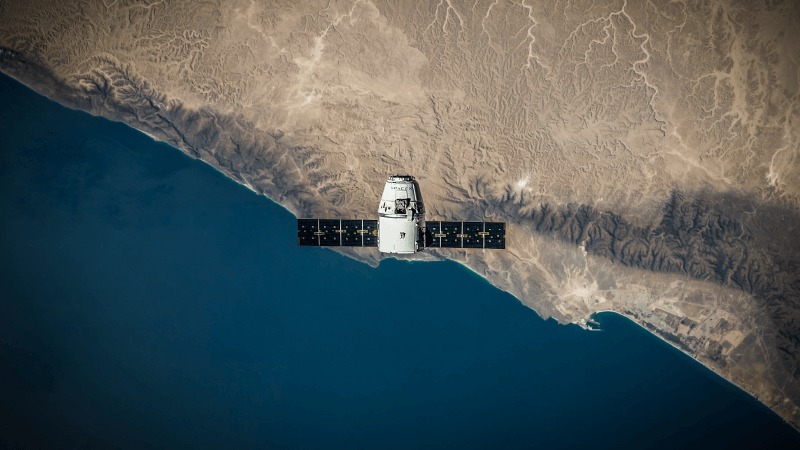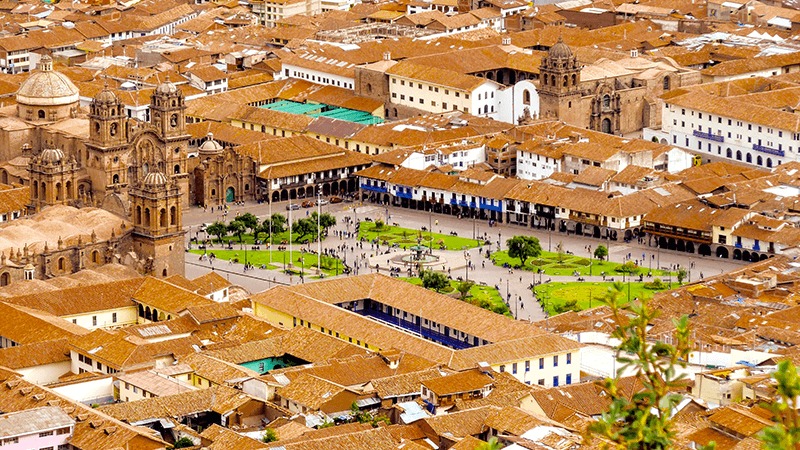
The most Favorited Multi-Caches on each continent

These are the most Favorited Multi-Caches on each continent! A Multi-Cache always involves two or more locations, where the final location is a physical container with a logbook inside. There are many variations, but typically once at the first stage, cachers receive a clue to the whereabouts of the second stage. The second stage has a clue for the third, and so on.

This is the second in a new series about the most Favorited geocaches on each continent. Stay tuned next month for our next installment, and be sure to check out last month’s most Favorited EarthCaches! Are you ready to take a whirlwind Multi-Cache tour around the world? Let’s go!

Continue reading →
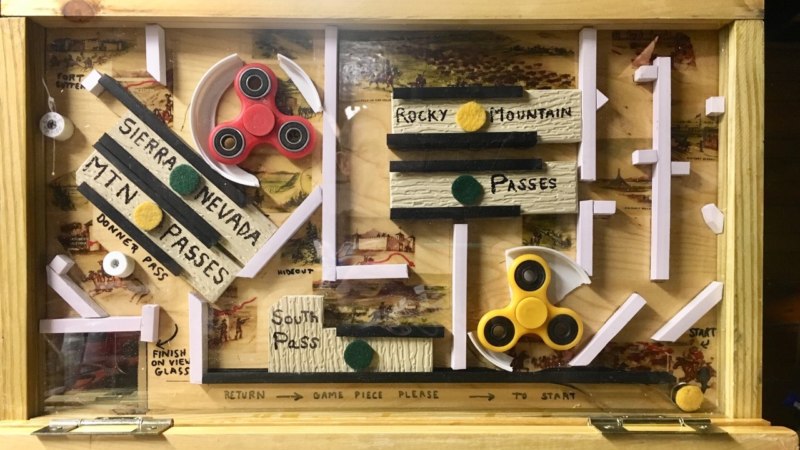
It’s all in the details — Interview with cache owner mo pirate

Mo pirate started geocaching in 2007 after being introduced to it by his wife, Sho me da cache, and has been hooked ever since. He has an impressive number of finds, but as he told Geocaching HQ, making and placing caches is what keeps him engaged with the game. Over the years he has created and hidden 390 geocaches that have collectively gathered over 3300 Favorite points.

Continue reading →

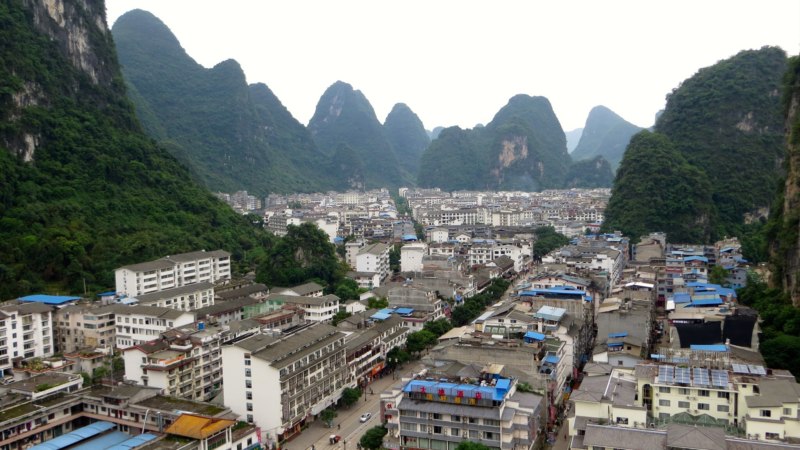
Geocache of the Week Flashback Edition: Yangshuo – GE9 (GC32N82)

EarthCache
GC32N82
by Golem team
Difficulty:
1.5
Terrain:
2.5
Location:
Yangshuo, China
N 24° 46.665 E 110° 29.127

As we look back on twenty years of geocaching history, we’ve decided to revisit some of our favorite Geocache of the Week candidates from years past. This week we’re looking all the way back to November 2015, when we featured Yangshuo – GE9 (GC32N82). Nine years after it was placed, this EarthCache is still educating adventurous cachers about erosion and the complexity of our ever-changing world.

Continue reading →

Die Wissenschaft der Satelliten

Ein Witz unter Geocachern ist es, dass unser Hobby Millionen Dollar teure Satelliten benutzt, um Tupperware im Wald zu finden. Und das stimmt! Einen einzigen Satelliten ins Weltall zu schießen, kann zwischen zehn und vierhundert Millionen US-Dollar kosten. Es ist bekannt, dass wir dank des US-Präsidenten Bill Clinton Zugang zu dieser Technologie haben, der bekanntermaßen “den Schalter umgelegt hat“, um diese Technik zugänglich zu machen.

Zwanzig Jahre später sind für die meisten von uns GPS in unseren Telefonen, unseren Autos oder Computern selbstverständlich.
Aber wie funktionieren Satelliten, diese Grundpfeiler unseres Lieblingsspiels, eigentlich, damit wir diese Tupperwaredosen finden können?

Lass es uns herausfinden!

Continue reading →

La science derrière les satellites

Il y a une plaisanterie chez les géocacheurs disant que nous utilisons des satellites de plusieurs millions de dollars pour trouver des tupperwares dans la forêt. Et en fait… c’est vrai ! Le lancement d’un seul satellite dans l’espace coute entre dix et quatre cent millions de dollars américains.
Il est de notoriété publique que nous avons accès à cette technologie grâce au président américain Bill Clinton, qui a “appuyé sur le bouton” pour désactiver le brouillage civil.

Vingt ans plus tard, la plupart d’entre nous utilisons naturellement le GPS dans nos téléphones, nos voitures ou nos ordinateurs. Mais alors, comment les satellites, éléments fondamentaux de notre jeu préféré, fonctionnent-ils réellement pour nous aider à trouver ces tupperwares ?

Découvrons cela ensemble !

Continue reading →