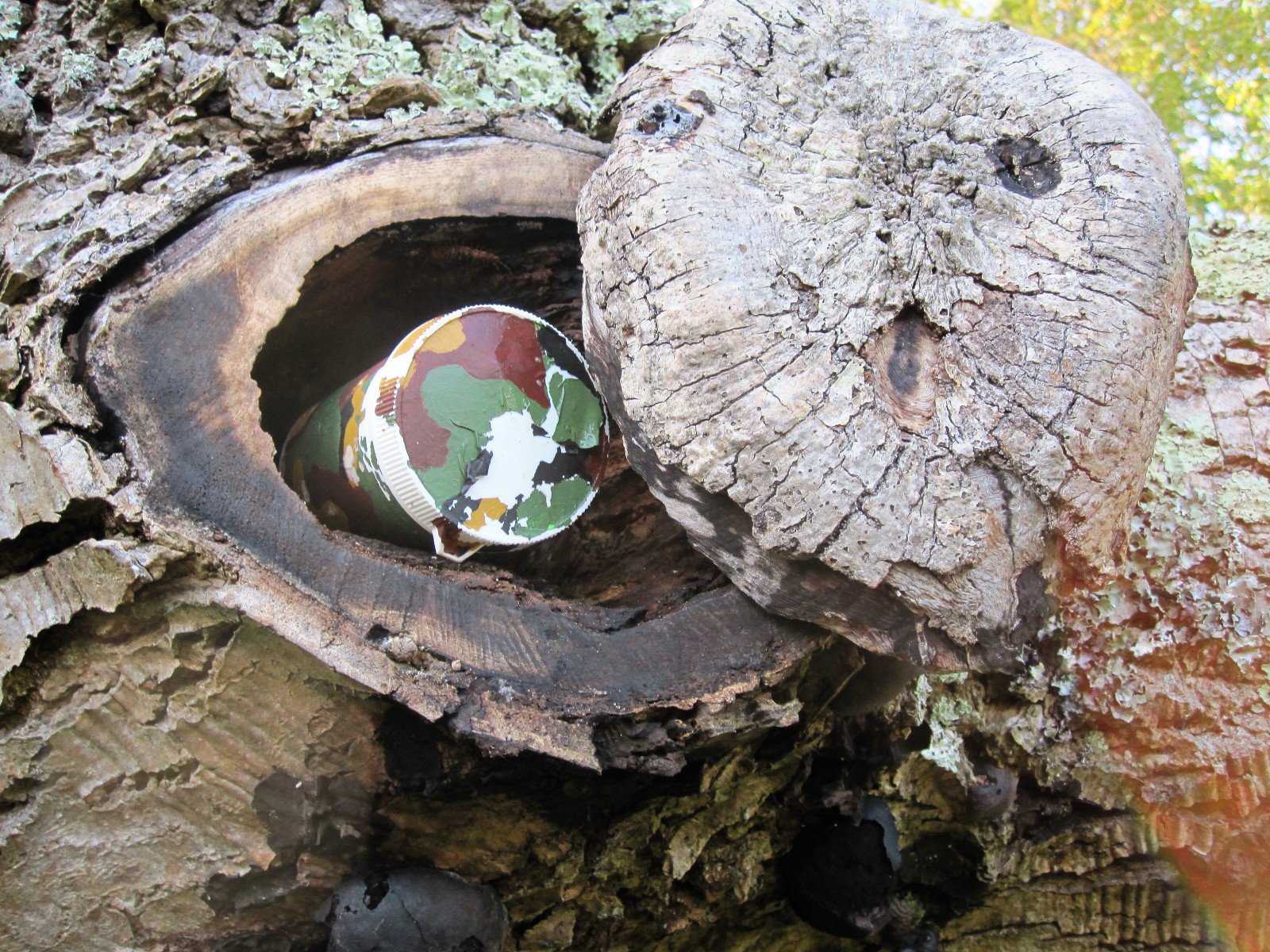
Peter Gaylord has a reputation in the geocaching community. He’s know for his jaw-dropping creative hides. Peter goes by the Geocaching.com username Dayspring. He says it best: “Creative geocachers literally think outside the ammo can.”
Unlocking the creative caches may require figuring out how to “make your GPS device go blank” or following the sounds of a phantom doorbell.
Watch as Dayspring and other geocachers like Trez* and goblindust, show you the secrets of creative caches. There are spoilers in the Geocaching.com Lost & Found Video. But the geocachers hope the spoilers inspire other geocachers to think outside the ammo can too.
These pictures of creative geocaching hides to your right are from the Geocaching.com Facebook page. Upload your pics and video of your favorite creative caches to the Geocaching.com Facebook page. Please make sure to ask the cache owner for permission.
Explore more Geocaching.com Lost & Found videos that capture the adventure of geocaching. Check out the Geocaching.com Lost & Found video gallery. Share a video on “Newbie Geocaching 101,” watch a Travel Bug® go around the world and visit the highest and lowest geocaches in existence.
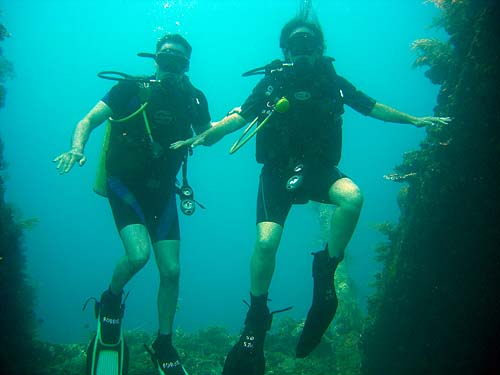
This Multi-Cache gets geocachers to take a swim then dries them off. Two of the stages for “Tulamben” GC1EBYM are underwater and final stage is on dry land.
Tulamben is a small village on the Northeast coast of Bali, Indonesia. The tourist destinations draws visitors from around the world to dive the wreck of a U.S. Transport ship.
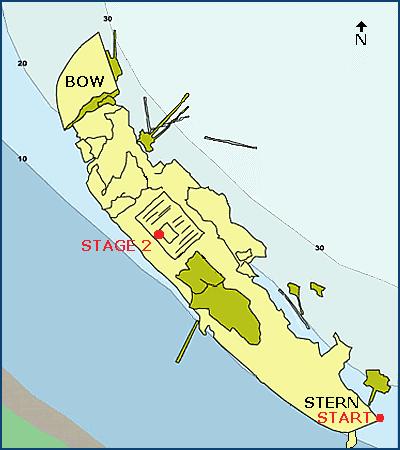
The U.S.A.T. Liberty sank here in World War Two after being torpedoed. Parts of the ship are submerged in as little as 3 meters and as deep as 30 meters of water.
Clues to the geocache are located in two spots on the wreck.
Geocacher glogloman hid the difficulty three, terrain five geocache in late 2008. According to the cache page more than 20 cachers from over 20 countries have found “Tulamben.”
U.S.A.T. Liberty
Continue your exploration with some of the most engaging geocaches from around the world. Explore all the Geocaches of the Week on our blog or view the Bookmark List on Geocaching.com.
Ehrenamtliche Reviewer unterstützen Geocaching.com, indem sie jedes Cachelisting prüfen und freischalten. Sie arbeiten hart. Als Geocacher kann man sich sein eigenes Abenteuer aus über 1,2 Millionen weltweit versteckter Caches auswählen. Jeder Geocache bietet einen individuell gestalteten Ausflug in die Umgebung und auf jedes Cachelisting hat einem Volunteer Reviewer einen prüfenden Blick geworfen.
Dem internationalen Team der Volunteer Reviewer gehören über 200 Reviewer von Kanada bis Japan und zwischen Großbritannien und Südafrika an. Allein im vergangenen Jahr hat das aus Frauen und Männer bestehende Team über 250.000 Geocaches gepublished.
Ehrenamtliche Reviewer wie Andreas Kramer (stash-lab) prüfen die Geocache-Listings bei Geocaching.com, um die Verlässlichkeit und Sicherheit dieser Freizeitaktivität zu erhalten. Geocaching.com Volunteer Reviewer sind in erster Linie Geocacher, die bereits lange bevor sie ehrenamtliche Reviewer wurden, in ihrer lokalen Geocaching-Szene eingebunden waren.
Wir haben stash-lab, ein deutscher Volunteer Reviewer, interviewt, um herauszufinden, was den Reiz für jemanden ausmacht, der auf den Publish-Button klicken.
stash-lab Volunteer Reviewer
Latitude 47: Wie hast Du von Geocaching erfahren? Wann hast Du damit begonnen?
stash-lab: Ich habe nach einer GPS-Maus für die Autonavigation gesucht. Während ich im Internet surfte, bin ich auf die Seite von Geocaching.com gestoßen. Als Kind habe ich gerne Schnitzeljagd oder Geländespiele mit Teamaufgaben gespielt. Als ich gelesen habe was Geocaching ist, war ich begeistert und wusste sofort, dass ich mein neues Hobby gefunden habe. Das war im September 2004. Allerdings dauerte es noch etwas, bis ich mein GPS-Gerät bekommen und damit meinen ersten Geocache gefunden habe.
Latitude 47: Wann bist Du Reviewer geworden?
stash-lab: Ich wurde 2007 gefragt, ob ich mir vorstellen könnte, Reviewer zu werden. Die Wahrheit ist, dass ich zu diesem Zeitpunkt noch gar nicht genau wusste, was ein Reviewer so macht, weshalb ich mir etwas Bedenkzeit erbeten hatte. Letztendlich habe ich mich dafür entschieden, da ich mir zu diesem Zeitpunkt sehr gut vorstellen konnte, das Spiel auf eine neue Weise zu unterstützen. Ich bereue diese Entscheidung nicht!
Latitude 47: Wie würdest Du Deine Rolle als Volunteer Reviewer beschreiben?
stash-lab: Es existieren so viele unterschiedliche Meinungen in der Community, über das, was ein Reviewer ist oder sein sollte. Neben dem Publishen von Caches gibt es für mich drei wesentliche Aufgaben: Ich muß verstehen, welches Anliegen sich hinter der Anfrage eines Cache Owners verbirgt, ich möchte geeignete Lösungsvorschlägen unterbreiten und drittens dabei stets freundlich und hilfreich für den Cache Owner sein.
Latitude 47: Was denkst Du, was andere über die Volunteer Reviewer wissen sollten?
stash-lab: Reviewer sind Menschen, Reviewer sind unterschiedlich, Reviewer sind nicht unfehlbar. Die große Mehrheit der Geocacher verhält sich uns gegenüber sehr respektvoll. Dafür möchte ich mich bedanken.
Latitude 47: Ist Dir in Deiner Rolle als Reviewer schon mal etwas Lustiges oder Ungewöhnliches widerfahren?
stash-lab: Ja klar! Ich möchte hier zwei Punkte erwähnen. Manchmal erhalte ich Reviewer-Notes wie z.B.: „Bitte sag mir bescheid, wenn Du vorbei kommst um den Cache zu prüfen. Ich versuche dann auch da zu sein.“ Ich reise gerne und viel, aber verständlicher Weise ist es mir nicht möglich, jeden Cache aufzusuchen, bevor ich ihn publishe.
Und zum Zweiten: Im vergangenen Jahr konnte ich das GeoWoodstock VIII besuchen. Dort traf ich sehr viele Reviewer-Kollegen aus den USA und Kanada. Ich wurde unglaublich freundlich aufgenommen, wie bei einem großen Familientreffen. Das war wirklich außergewöhnlich.
Latitude 47: Welchen Ratschlag gibst Du Geocachern, die einen Cache zum Reviewen einreichen?
stash-lab: Bitte benutzt die Reviewer-Notes um relevante Informationen zu einem Cachelisting mitzuteilen. Diese helfen uns, die Listings zügiger zu bearbeiten. Ich finde Caches klasse, bei denen der Owner neue Ideen umsetzt. Dabei ist es hilfreich, wenn der Owner einige Erklärungen zu seinem Konzept anfügt. Wir müssen nicht zwangsläufig die Lösung eines Rätsels erfahren, aber es ist für uns Reviewer wichtig zu erkennen, dass es einen Weg gibt, um an Koordinaten zu kommen.
Latitude 47: Gibt es noch etwas, was Du ergänzen möchtest?
stash-lab: Geocaching ist für viele Menschen zu einem wichtigen Teil ihres Lebens geworden. Es ist beeindruckend, wie rasant die Entwicklung in den vergangenen 2 Jahren vorangeschritten ist, besonders in Deutschland. Aber Geocaching ist auch eine sehr junge Freizeitaktivität. Ich finde eine spannende Frage, wie sich Geocaching in den nächsten 5-10 Jahren entwickeln wird. Ich weiß nicht, welche Technologien die Zukunft noch bereit halten wird. Dennoch bin ich mir sicher, dass der Spaß an diesem Spiel anhalten wird, denn Geocaching bedient drei wichtige menschliche Grundbedürfnisse: die Natur, das Spielen und soziale Kontakte. Das ist faszinierend und ich freue mich, ein Teil dieses Spiels zu sein.
Over the past several weeks, Geocaching.com has been releasing souvenirs for the U.S. and German states, special souvenirs and Mega-Event souvenirs to the geocaching community. More than 30 souvenirs are already available to geocachers. We’re scheduled to release six souvenirs each week into early 2011.
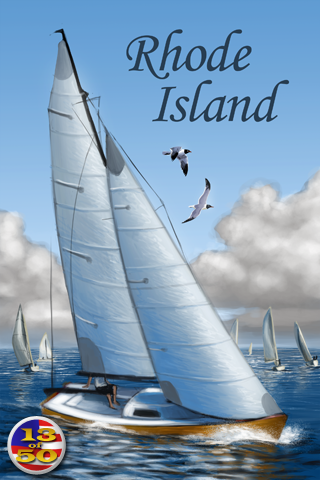
Example of a Geocaching.com souvenir: Rhode Island
Vote in the Souvenirs UserVoice forum to let Groundspeak know which souvenirs you’d like to see. We’re currently only accepting country suggestions. However, we are producing individual regions for several countries such as Australia, Canada, the United Kingdom and Ireland.
The most popular souvenir suggestions in UserVoice will be produced and two will be released each week along with the remaining U.S. and German states.
We look forward to seeing your suggestions for upcoming souvenirs!
To view the souvenirs that are already released click here. Bookmark the Geocaching.com souvenirs blog post page to see the latest souvenirs each week.
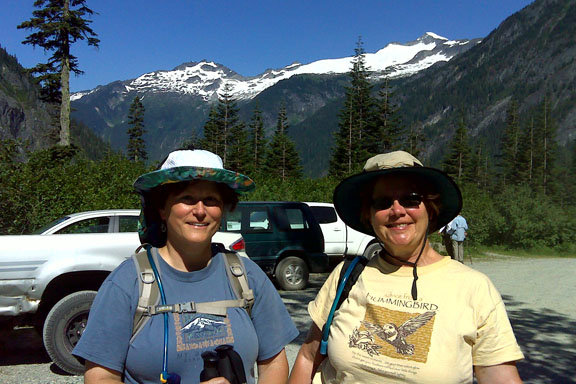
Abby Wolfe (hydnsek) on left and Park Ranger Cindy Bjorklund on right
Geocacher Abby Wolfe (pictured on the left) wears many proverbial “hats.” The avid hiker is the President of the Washington State Geocaching Association (WSGA) and chairs its Park Advocacy Committee. Her Geocaching.com username is hydnsek.
Abby is also one of the few to make physical geocaches in national parks in the United States a reality.
Here’s her story, in her own words. See what you might learn about bringing physical geocaches to a national park near you.
LATITUDE 47: Tell us the big geocaching news about the North Cascades National Park, what happened and how did you make it happen?
ABBY: The first two physical caches were recently published in North Cascades National Park Service Complex (NCNPSC) – Cascade Pass Trailhead and Gorge Dam Overlook. This may be the first western national park to permit physical caches – a great win for geocachers!
I first contacted North Cascades three years ago to get permission for an EarthCache. They were receptive, and their interpretive specialist suggested the location for a second EarthCache. I met with them, and built a relationship from there—becoming a park volunteer (VIP) and their geocaching liaison, and educating them about geocaching and the potential benefits of physical caches. It helped that the superintendent was already enthusiastic about “questing” activities (as he calls them) because he’d taken his kids letterboxing, and they had already permitted a letterbox.
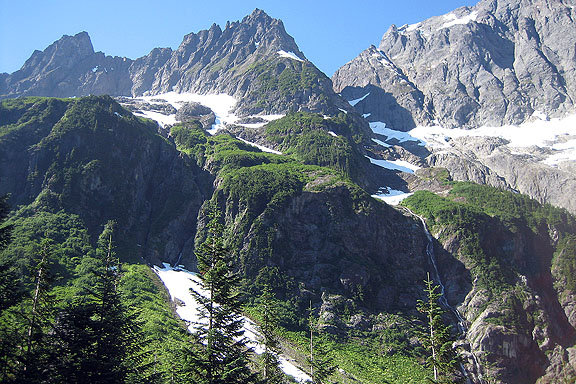
Near Cascade Pass Trailhead geocache
LATITUDE 47: What lessons have you learned about working with the National Park Service that other geocachers should know?
ABBY: Many cachers believe the NPS bans geocaching, which isn’t entirely true. The current NPS geocaching guidance document (PDF file) leaves it to the discretion of individual park superintendents. Many NPS personnel aren’t familiar with it, so you may have to educate them about the guidance doc as well as geocaching.
You’re more likely to have success with lesser-known parks that are looking for ways to raise their profile and increase attendance (and funding). For example, Mount Rainier is hugely popular and has no incentive to permit physical caches (although we’ve turned a key ranger into an avid geocacher). North Cascades is a different story; they receive only 19,000 visitors each year (!), so promoting geocaching as a popular activity and educational tool that could help attract new visitors was a strong selling point.
LATITUDE 47: Why do you think geocaching belongs in national parks?
ABBY: Many of our greatest natural wonders are in the National Parks. Geocaching provides a fun and educational way to explore them, especially for families, since kids are more engaged by the “treasure hunt” than by scenery and signs. EarthCaches are great, but they’re limited to geological features and are less appealing to some cachers and kids. Physical caches can showcase scenery, flora and fauna, and human history.
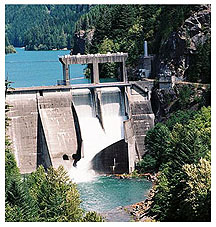
Near Gorge Dam Overlook geocache
LATITUDE 47: How do geocachers (seekers and those seeking to hide caches) continue a healthy relationship with the national parks?
ABBY: I think the best way is to show that we understand their goals and concerns, and that we respect the environment (think CITO!) and park policies. Becoming a park volunteer is a great way to foster this; it’s helped WSGA win over several parks. If you can get park personnel to view geocaching as a positive recreational activity that supports their mission without adding to their workload, it will be easier for them to support geocaching.
Building these trusting relationships is the goal of WSGA’s Park Liaison Program, which pairs a geocacher with a park system to self-manage geocaching activities. North Cascades was one of our first participants, and we currently have 10 park systems in the program.