“Utiliser des satellites qui coûtent des millions de dollars pour chercher des boîtes dans les bois…”
Ca peut être difficile d’expliquer le Géocaching à vos amis moldus. Ici au Geocaching HQ, nous avons demandé à quelques enfants de nos employés (et à un enfant adorable que nous avons rencontré dans le hall) de s’y essayer. Nous avons filmé les résultats et ils ont été…très mignons. Essayez à la maison avec vos enfants.
Regardez Comment les Enfants Expliquent le Géocaching:
“Millionenteure Satelliten benutzen, um nach Dosen im Wald zu jagen…”
Es kann schwer sein, Deinen Muggelfreunden Geocaching zu erklären. Hier im Geocaching Hauptquartier haben wir Kinder unserer Mitarbeiter (und ein süßes Kind, das wir in der Lobby getroffen haben) gebeten es zu versuchen. Wir haben die Ergebnisse als Video festgehalten und sie sind….. wundervoll. Versuch es zuhause mit Deinen Kindern.
The mailman recently delivered a nice surprise to me: a beautiful trackable geocoin from the Smithsonian National Museum of Natural History (NMNH) GeoTour. I completed the GeoTour last year, and in the process earned a digital badge for my Geocaching.com profile. Little did I know that the NMNH was working on a geocoin that would eventually take a place of honor in my collection.
National Museum of Natural History Geocoin
The National Museum of Natural History is a truly spectacular place. Located on the National Mall in Washington, D.C., it’s the most visited natural history museum in the world. The NMNH GeoTour debuted in 2013 with several Mystery caches, a Traditional cache and three EarthCaches.
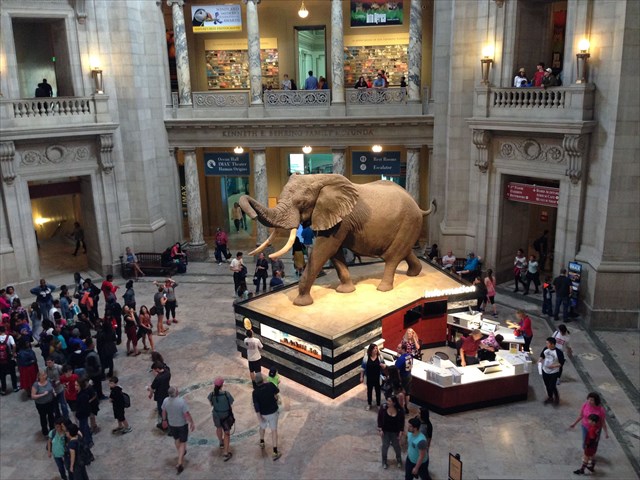
Inside the National Museum of Natural History
All but one of the caches’ posted coordinates are at the museum, with one outlier located about a two-hour drive north, in Pennsylvania’s Michaux State Forest. (The NMNH also owns a Letterbox Hybrid with posted coords on the museum grounds. It is not an official part of the GeoTour.)
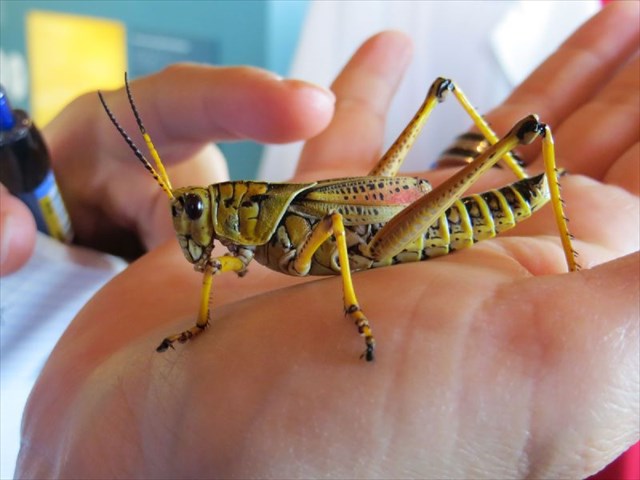
Get up close with nature during the GeoTour
My wife and I started the GeoTour during a trip to D.C. in November 2013, when we were able to stamp our passport for all but two of the caches. I was back in that part of the country for the GeoWoodstock Mega-Event last year, and jumped at the opportunity to complete the tour and earn my digital badge. The NMNH GeoTour is a really fun way to enjoy the museum from a new perspective, and to continue exploring outside the Smithsonian walls. I had visited the NMNH a time or two in the past, but this GeoTour encouraged me to dig into subjects that had escaped my attention on previous trips. Plus, it led me to a few beautiful sites outside of D.C.
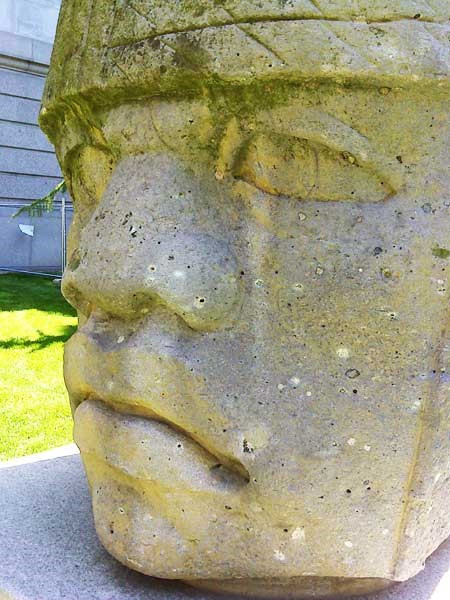
See colossal things while caching!
So how can you qualify for a digital badge and one of these super-cool geocoins? The requirements are listed on all of the NMNH’s GeoTour cache pages. If you’re looking for a way to enhance your next visit to the U.S. capital, I highly recommend making this GeoTour part of your trip!
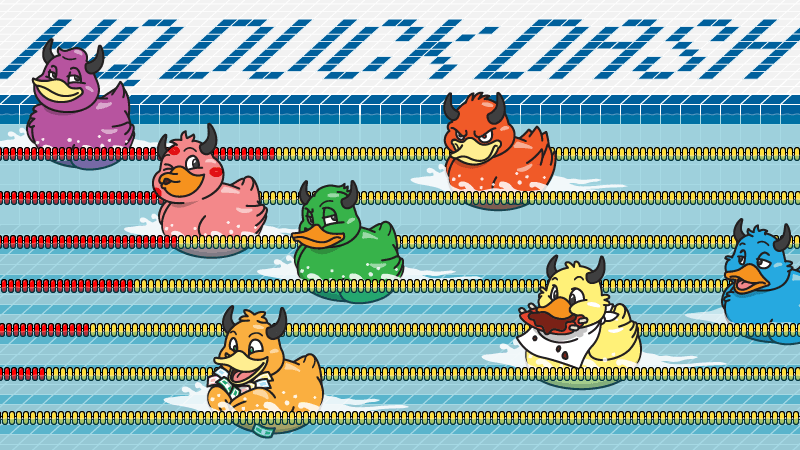
Jeremy nos cuenta: “Cuando empezamos con los rastreables, liberé 7 Deadly Ducks en la naturaleza”. Cada uno de los nuevos rastreables se basaba en uno de los pecados mortales. Esos Deadly Ducks, con los nombres de Envidia, Pereza, Orgullo, Gula, Lujuria e Ira, salieron al mundo para viajar de caché en caché (El Deadly Duck de la codicia se colocó en un geocaché que nunca se publicó en Geocaching.com, y podría estar aún escondido en Virginia).
Am 30. August 2001 hat Jeremy Irish, der Gründer von Geocaching.com, den weltweit ersten Trackable aktiviert, TB1.
Jeremy sagt hierzu: “Als wir das erste Mal Travel – Bugs starteten, habe ich sieben Deadly Ducks in die Wildnis geschickt. Jeder der neuen Trackables repräsentierte eine der sieben Todsünden. Diese Deadly Ducks mit den Namen Neid, Faulheit, Stolz, Völlerei, Lust und Zorn sollten von Cache zu Cache reisen. (Die gierige Deadly Duck, wurde in einem Geocache platziert, der niemals auf Geocaching.com veröffentlicht worden ist. Sie ist vielleicht noch immer in Virginia versteckt.)