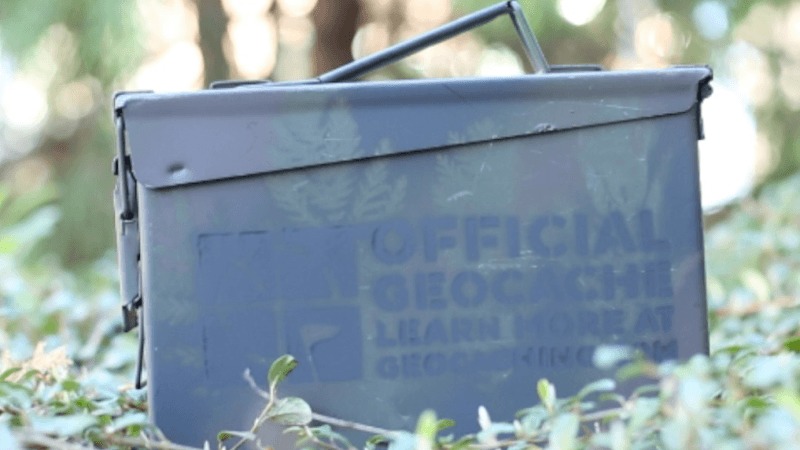
CLEAN – Wash off any dirt on the surface of the ammo can so that the paint will hold.
PAINT GREEN –Cover any lettering or other coloring with green spray paint.
ARRANGE FOLIAGE –Apply looped scotch tape to back of foliage andarrange it facing the same direction on one side of the can for a natural effect.
PAINT ALTERNATE COLORS –Painting lightly,make three wide diagonal stripes with black spray paint, then apply two brown stripes in between. Quickly lift off the foliage and let it dry.
REPEAT STEPS 3 & 4 ON ALL SIDES –Since you are painting lightly, you should be able to paint in an order that allows sides to dry as you go.
El 2 de mayo del 2000, aproximadamente a medianoche, fue accionado el gran interruptor azul* que controlaba la disponibilidad selectiva. En otras palabras, ¡los receptores GPS a lo largo del mundo, de repente tuvieron capacidad de encontrar tarteras en los bosques!
Justo al día siguiente, un entusiasta del GPS llamado Dave Ulmer, decidió probar esta nueva capacidad. La idea era simple: esconder un contenedor en el bosque y anotar las coordenadas con una unidad GPS. Al cabo de tres días, ese primer geocaché fue encontrado. ¿Quién diría que con el tiempo habría alrededor de 2,8 millones de contenedores escondidos en más de 180 países?
Así que ahí lo tienes — el comienzo del geocaching. Aprende más de la historia del geocaching en el Blog de Geocaching. Así pues, ¡sal y celebra el cumpleaños de geocaching encontrando un geocaché!
Today, May 2nd, marks the 16th anniversary of the geocaching phenomenon. As we reminisce on all the wonderful geocaching moments we’ve experienced over the years, it’s fun to journey back to the year 2000 to see how it all began.
A Look Back in Time
The year was 2000. Y2K had come and gone. A dozen eggs cost 89 cents. “Survivor” was in its first season. The Summer Olympics were held in Sydney. Traditional outdoor activities at the time included hiking, bird watching, and camping. But then everything changed.
The Big Blue Switch
On May 2nd at approximately midnight, the “big blue switch” was pressed and selective availability on civilian GPS receivers was removed. Twenty-four satellites around the globe processed new orders, and the accuracy of GPS technology improved tenfold. Prior to this date, only the military had the ability to receive accurate GPS readings. Now, the world and all its wonderful people could pinpoint their precise location.
The First Geocache Hide
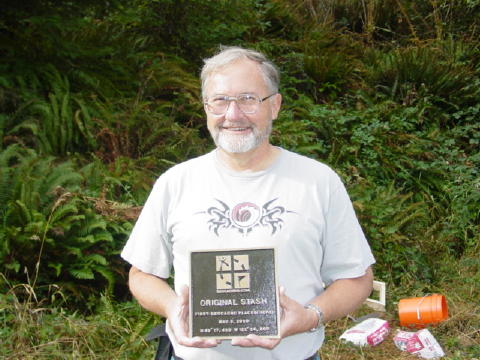
In celebration with this new-found freedom in global navigation, a computer consultant named Dave Ulmer started The Great American GPS Stash Hunt. The idea was simple: hide a container out in the woods and record the coordinates using a GPS unit. On May 3rd, he placed a black bucket in the woods near Beavercreek, Oregon along with a logbook, pencil, and other various trade items – the first geocache. He shared the coordinates of his “stash” with an online community on sci.geo.satellite-nav and the “game” took off.
Dave Ulmer and the Original Stash
Geocaching.com
For the first few months, the stash game was played mostly by experienced GPS users who already used the technology for outdoor activities. Mike Teague, the first person to find Ulmer’s stash, began to gather other users’ posted coordinates and document them on his personal website.
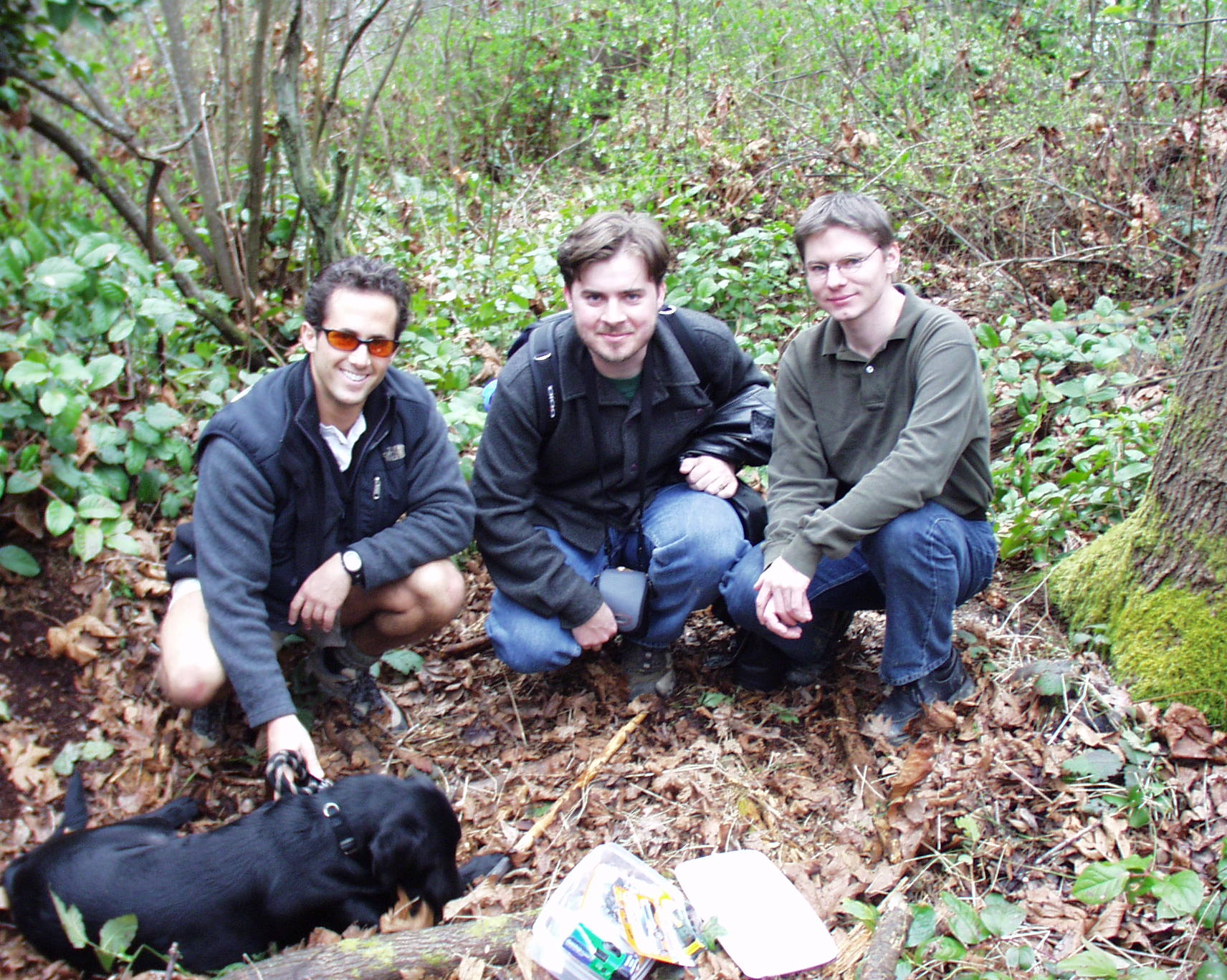
Jeremy Irish, Founder of Geocaching.com, stumbled upon Teague’s site while researching GPS technology and was intrigued by the idea. He purchased a GPS device and went out on his first geocaching adventure that weekend. After an enjoyable experience, Irish decided to start a website for the activity. Adopting the newly dubbed term “geocaching” and putting his web skills to good use, he launched Geocaching.com with only 75 geocaches.
From left to right: Founders Bryan, Jeremy, and Elias
Historic Dates
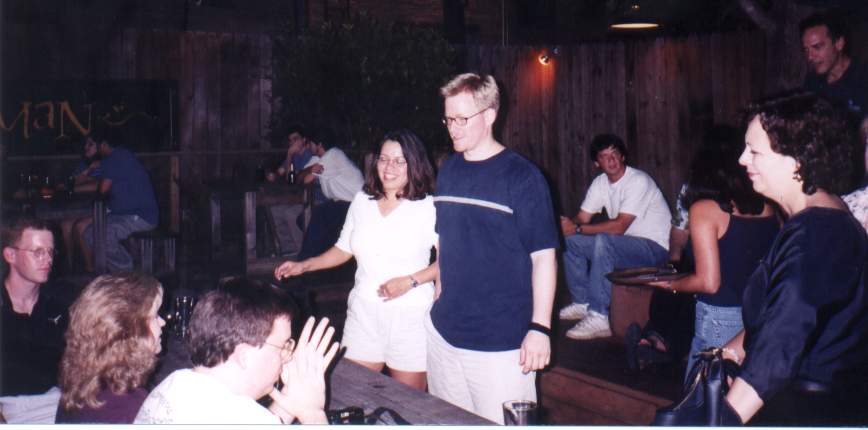
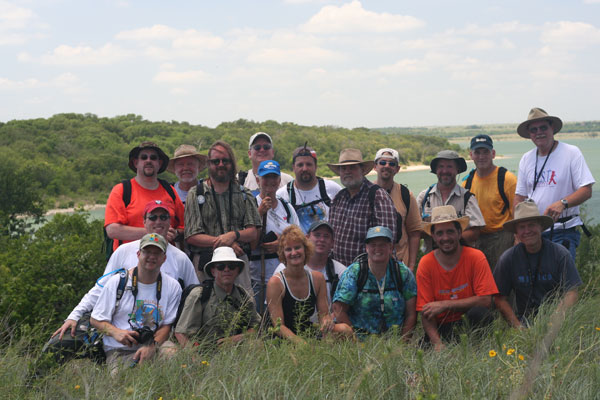
–March 24, 2001: The first Geocaching Event takes place in Austin, Texas.
The first geocaching event
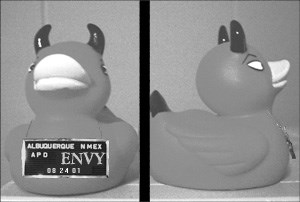
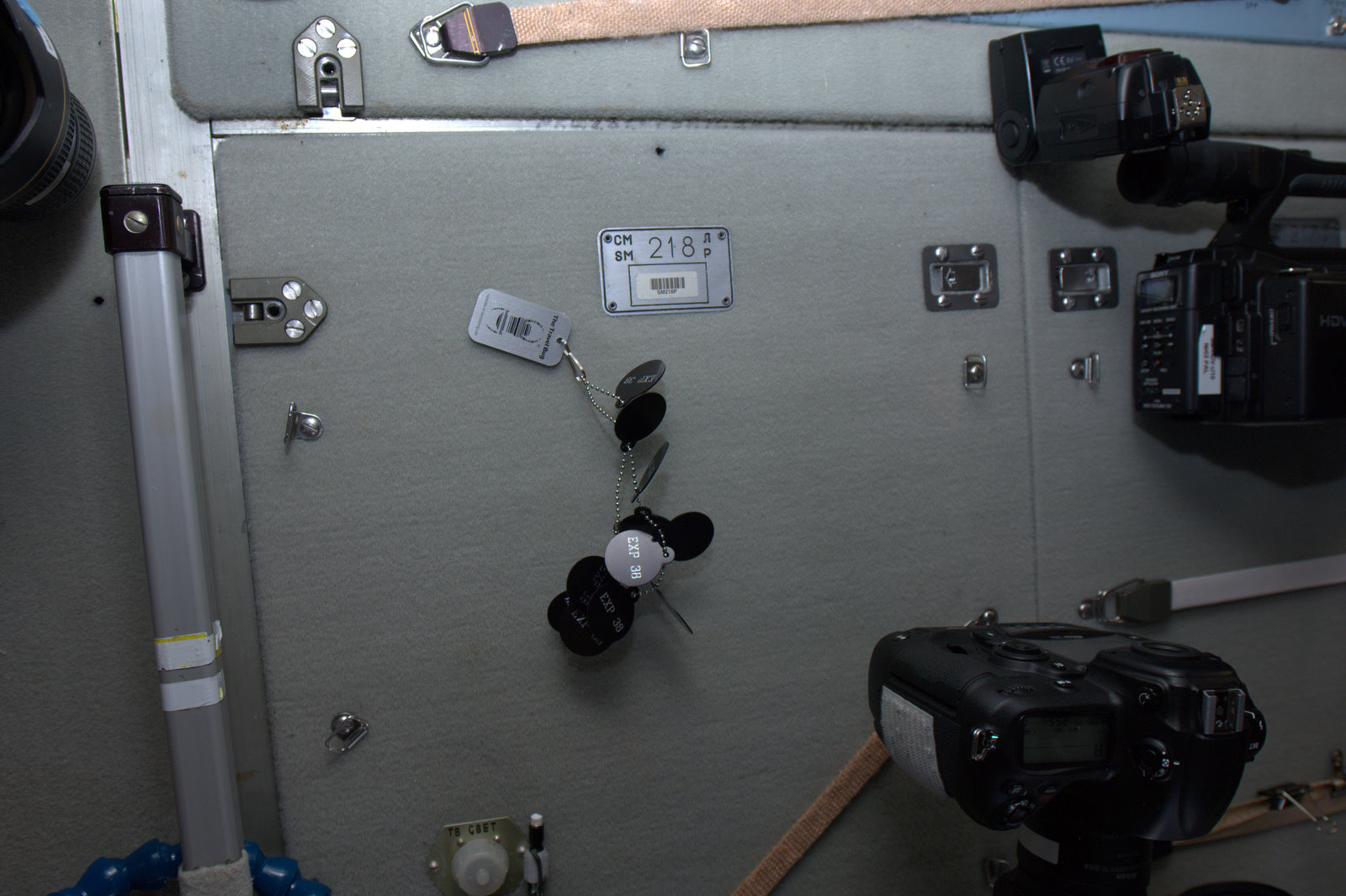
–August 30, 2001: The first Travel Bug® is released by Jeremy. TB1 is a rubber ducky named “Deadly Duck: Envy.” Fun fact: The image on the Deadly Duck’s Trackable page is Photoshopped to replicate this mug shot of a famous Seattle-area entrepreneur and philanthropist in his younger, “wilder” days.
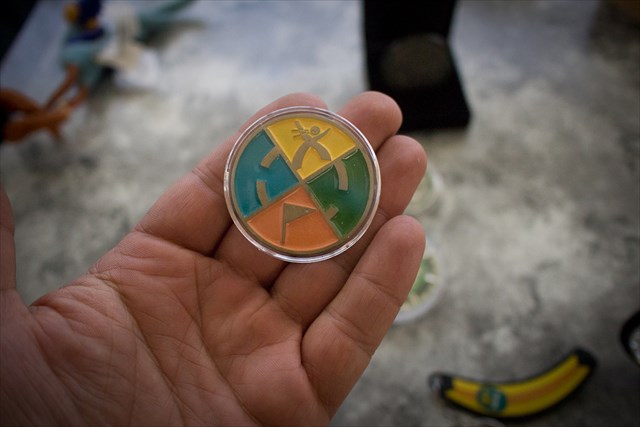
–September 20, 2001: Moun10Bike places the second Geocoin in a cache near Deception Pass, Washington. He keeps the first Geocoin in his personal collection.
Sixteen years and over 2.8 million geocaches later, the game is larger and more diverse than it’s ever been. Happy birthday geocaching! It’s been a pleasure watching you grow.
How do you think geocaching will change in the next 16 years?
Le 2 mai 2000, à environ minuit à l’heure de la côte est des Etats-Unis, le gros interrupteur bleu* contrôlant l’accès sélectif a été désenclenché. En d’autres mots, les récepteurs GPS du monde entier sont soudainement devenus assez performants pour trouver des tupperwares au milieu des bois !
Le lendemain, un enthousiaste du système GPS nommé Dave Ulmer a décidé de tester cette nouvelle technologie en extérieur. L’idée était simple : cacher une boîte au milieu des bois et noter les coordonnées GPS avec un appareil. Dans les trois jours suivants, cette toute première géocache a été trouvée. Qui pouvaient s’attendre à ce qu’il y ait un jour 2,8 millions de contenants dissimulés dans plus de 180 pays ?
Donc vous l’avez compris — il s’agit du début du géocaching. Apprenez-en plus sur l’Histoire du géocaching sur le blog Geocaching. Ensuite, sortez pour fêter l’anniversaire du géocaching en trouvant une géocache !
Am 2. May 2000, etwa um Mitternacht Eastern Standard Time, wurde der große blaue Schalter* umgelegt, der die absichtliche Reduzierung der Genauigkeit (“Selective Availability“) kontrollierte. Mit anderen Worten, GPS-Empfänger überall auf der Welt wurden schlagartig fähig, Tupperware im Wald zu finden!
Am nächsten Tag entschloss sich der GPS-Enthusiast Dave Ulmer, diese neue Leistungsfähigkeit auszuprobieren. Die Idee war einfach: Dose im Wald verstecken und Koordinaten mit einem GPS-Gerät notieren. Innerhalb von drei Tagen wurde der allererste Geocache gefunden. Wer hätte gedacht, dass eines Tages 2,8 Millionen Dosen in über 180 Ländern versteckt wären?
So also begann Geocaching. Lerne mehr über die Geschichte von Geocaching auf dem Geocaching-Blog. Und dann geh nach draußen und feiere den Geburtstag von Geocaching indem Du einen Geocache findest!