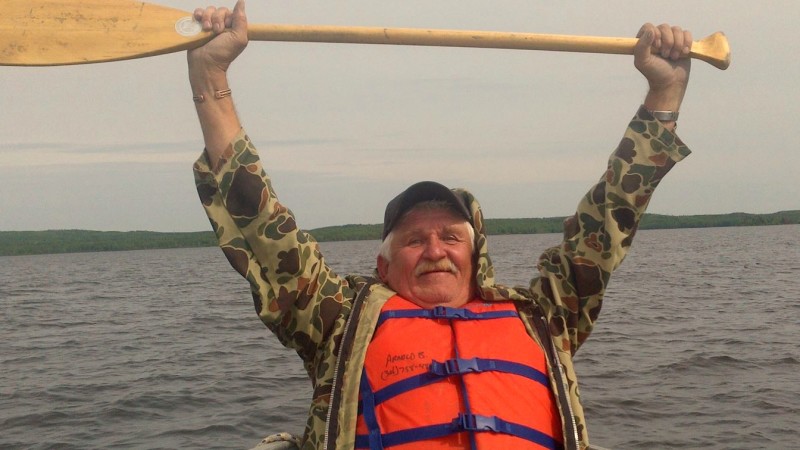
First to Find 4,355 Days Later

Remember that time we wrote about an FTF after 12 years? Maybe we weren’t being specific enough. That was a FTF after 4,337 days.

Geocachers are born to break records, to test limits, to push boundaries. So when four guys set out in a boat on a journey to an obscure island to find a geocache with impossible odds, we were excited, enthralled, even impressed. But we were not surprised. No, never surprised. The need to seek adventure is in a geocacher’s very DNA.
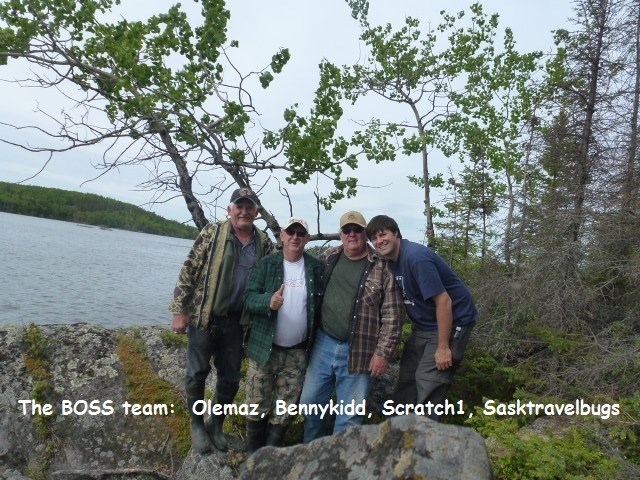
Team BOSS in action.
First rule of geocaching as a team: find a good team name.

SK Extreme 01 is a virtual geocache on an uninhabited and unnamed island in Brabant Lake, in northern Saskatchewan. Note that Saskatchewan is just about twice the size of Germany—making the island a needle in a big Canadian haystack.

The geocache was published on Geocaching.com in 2002 by geocacher KenJamin, who was staying on the island during a guided canoeing trip. He found a topographical survey benchmark and, realizing that Canadian benchmarks weren’t published online like American benchmarks, thought it would make a good virtual cache.That’s the type of geocache for which one gathers information at a site, rather than finding a physical hidden container.

KenJamin says the virtual would be the start of a series of extreme geocaches. “The kind of caches that drew me to geocaching in the first place.”

Twelve years and zero finds later…

Team BOSS, a group of geocachers consisting of bennykidd, olemaz, scratch1, and sasktravelbugs, planned a trip. Snow and ice would force them to delay their adventure until spring. Their journey would begin with a drive from Saskatoon to Brabant Lake, a route so long and remote even Google Maps doesn’t dare plot it. And they knew the drive itself wouldn’t be a picnic. Says Olemaz, “We had heavy rains in Southern/Central Saskatchewan and if we had the same rain that far North, roads could have been treacherous. ”

Once at the lake, which is shaped more like a trailing globule of drool than a water feature, they’d cross the water in a rented boat to the island—the site of the cache. Rain, fog, and wind were of primary concern on this stretch of the journey.

Of course, these things don’t usually go as planned.

Team BOSS had, “perfect weather, perfect roads, and a perfect landing.” And the benchmark itself? It was “a fairly quick find.”

The real challenge came when the team was forced to wait to return to an area with cell service before making the phone call to KenJamin. The reward, however, was spectacular. “The phone call to the Cache Owner, KenJamin, for his required answers made our day as we knew we’d catch him off-guard and he would be stunned.”

Benchmark Island, SK

And he was. “I vividly remember receiving the call from Team BOSS.  I think olemaz said the digits from the benchmark followed by the key digit, and words to the effect of ‘does that mean anything to you?’  I admit I was stunned and didn’t make the connection at first.  I paused and thought; then it suddenly stuck me and I blurted out ‘No Way!'”

Gold, guts, and glory?

Not quite. Despite this, olemaz says there was great deal of excitement and adventure for sure. “The best moment of the trip was seeing the beauty of nature in this world and the camaraderie among geocaching friends having fun.”

What’s next for Team BOSS?

Among other things on a long, long bucket list…

    • Olemaz wants to complete the Jasmer Challenge—to find one geocache hidden in each month since May 2000. He is only four finds away.
    • Scratch1 plans to find a geocache in every province and territory in Canada. When that’s done, he’ll find a geocache in every state in the U.S.
    • Bennykidd is just going to go out and find more geocaches, all over, from one coastline to the other!
    • Sasktravelbugs has the last “APE” geocache in Brazil in his sights. He also needs to find caches on only one more continent to complete the 7-continent challenge.

And KenJamin?

“As I reflect on this, the first cache in the series, I recall and appreciate all the great logs and pictures I have received as a result.  The three caches and the cachers that have visited them have made the distance, hikes and effort to place them repaid ten fold. As far as my future geocaching adventures go I have ambitions for areas in and around Arches and Grand Canyon National Parks.  Cache recommendations would be appreciated.”

Want to read more about this epic adventure? Check out the audio of an interview with Team BOSS on http://www.livingskies2014.ca/ or http://www.podcacher.com/2014/06/show-474-1-pmm-ftf-12-years-later/.
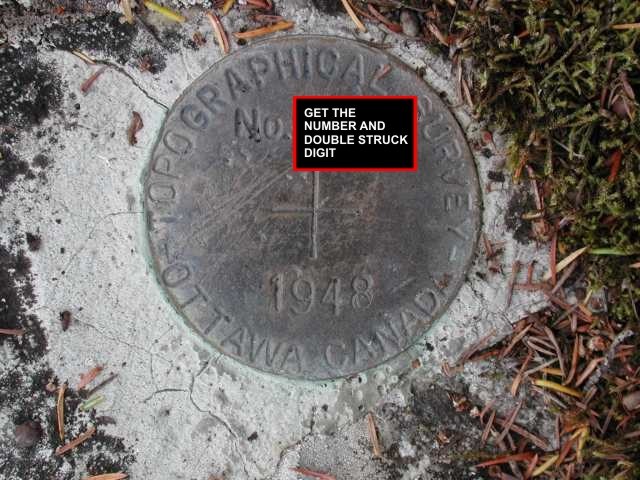
Now, a few more people in the geocaching world know what's behind the black box.
Now, a few more people in the geocaching world know what’s behind the black box.


Time to Phone-a-Friend: Sometimes hiding a geocache takes two

FTFers in action
RandolphAgarn and I camped out to (sneakily) watch the FTF in action.

2 x 2 Makers and Hiders Unite

It takes all kinds to make geocaching the quirky, wonderful, interesting hobby/game/community that it is right now. Some like to solve puzzles, others like to trek across mountains; some are serial geocache finders, and others are serial geocache hiders. Altogether, these different types make for a healthy (and fun!) geocaching ecosystem.

Within this geocaching ecosystem, I’ve always considered myself your everyday, traditional finder—like moss (a little bit boring), but surely important for some unknown, ecological reason. That is, I used to think of myself like moss. Then, a few months ago, I attended a Maker Madness event hosted by Geocaching HQ. I walked out of the event knowing that I too wanted to create great geocaching experiences for others to enjoy… But I didn’t want to hide just any old geocache. I wanted to hide the Mona Lisa of geocaches.

There was, however, one small problem. When it comes to any and all geocache making skills…well, I don’t have any. I never took woodshop. I don’t know anything about Arduino computers. And (much to my puzzle-loving grandfather’s disappointment), I cannot solve the Monday crossword puzzle, let alone design a worthwhile puzzle of my own.

Hiding without Making

So how does one hide a masterpiece geocache without having any relevant Maker skills?

Luckily, I discovered that geocache hiding, like Who Wants to Be a Millionaire, has a built-in Phone-a-Friend option. You see, like the broader geocaching community, geocache hiders come in all shapes and sizes. There are the Makers, who imagine (and implement) the future of geocaching containers; then you have the location hiders, who have a knack for finding breathtaking hiding spots; and finally, there are folks like me.  I am nothing if not reliable, which as it turns out, is a key ingredient to a great geocache. (Ahem, you’ve heard of a little thing called geocache maintenance? No one likes a soggy log.)

RandolphAgarn
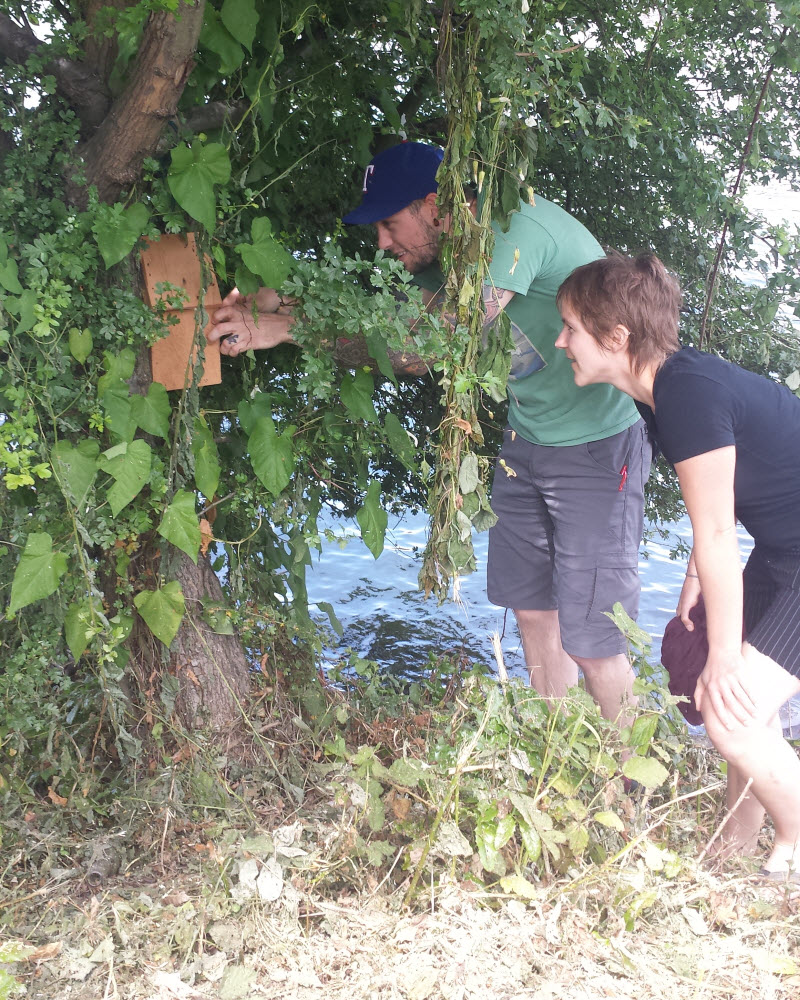
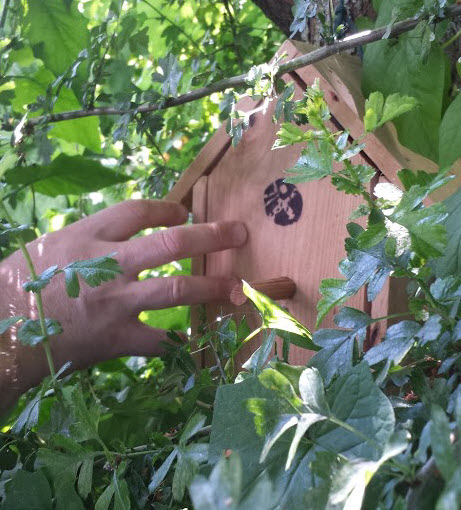
RandolphAgarn makes final adjustments to our geocache.

So, I used my Phone-a-Friend card to call up my friend and Geocaching HQ mobile developer Arne Moen (Username: RandolphAgarn). He is everything that a Maker should be: creative and innovative with more than a few DIY tricks up his sleeve. And fortunately for me, he enjoys making geocaches more than maintaining them, so we formed a geocache hiding partnership. He built the container and I will be in charge of maintaining his creation going forward.

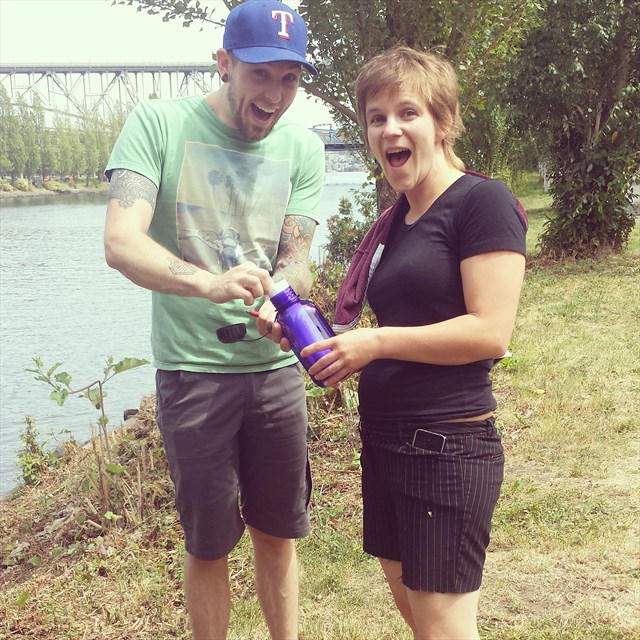
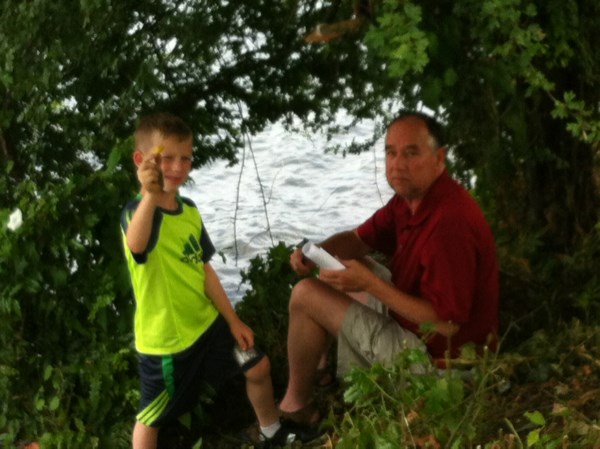
RandolphAgarn and I were so excited/nervous about putting our geocache out in the wild that we decided to sneakily camp out on a nearby bench to watch the FTF (first-to-find) in action. Given our geocache’s proximity to Geocaching HQ (home to 70 plus geocachers with instant notifications set up), we weren’t shocked to see the FTF go to a couple of HQ staffers within 20 minutes of publication. ScatterMyCaches and ReidSomething were pumped to earn their first FTF (but less excited to FTF the giant spider that had been quick to make the geocache its home).  A big congrats also to MedicineManOfSeattle and TrailGourmet for the STF (second-to-find).

Okay, so our geocache may not be the Mona Lisa of geocaches, but it sure feels good to have played a part in creating a quality experience that many will be able to enjoy.  And, unlike moss, it’s nice to know that we all have the ability to choose what role we’d like to play in our geocaching ecosystem.

3 reasons to hide a geocache with a friend

  1. It’s more fun. ‘Nuff said.

  2. You can share the workload. From building a container to maintaining it, hiding a geocache can be a lot of work! Splitting up or sharing responsibilities makes it a whole lot easier.

  3. Collaboration inspires creativity. The brain is a wonderful thing. Two brains are even better.
FTFers
The FTF team!
FTFsandCOs
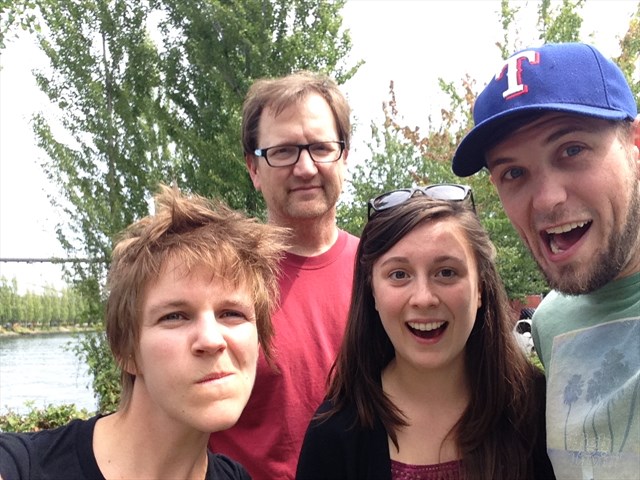
RandolphAgarn and I talked the FTF’ers into taking a celebratory selfie with us!
Earlyfinders
Early finders Jwlatona and COOP.

 What’s the story behind your first geocache hide?


More Geocaching Vacation Destinations Closer to Home

MailerImage_0623014_GeoTours_vFINAL_blog2


GeoTours Deliver Geocaching Adventure Around the Globe


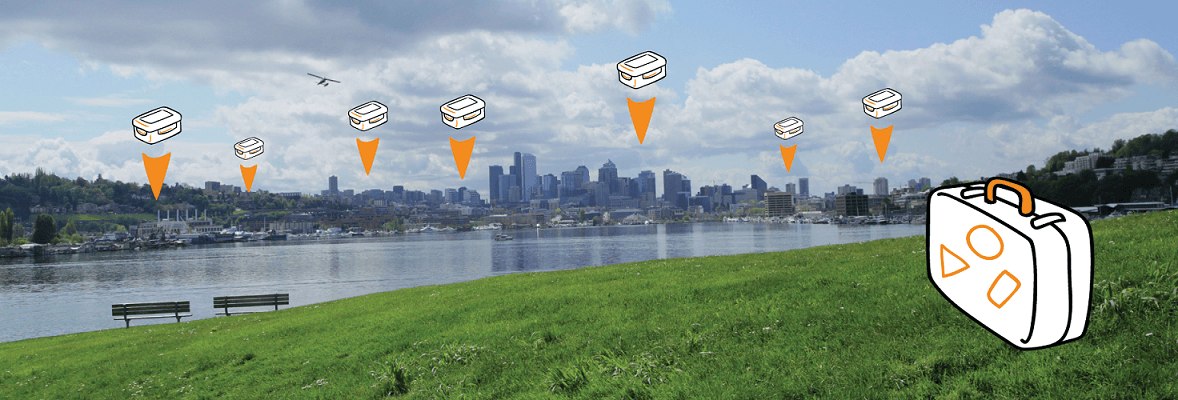
In the time-honored geocaching tradition, it’s a map that helps tell the story. Check out the blue pins scattered across the world on the Geocaching GeoTours map. Each marker is a GeoTour location. Each GeoTour is a chance to explore a unique destination as only geocaching can unveil it. Local experts in each destination pick out the best places to hide new geocaches, including historic sites, parks, cities and more.

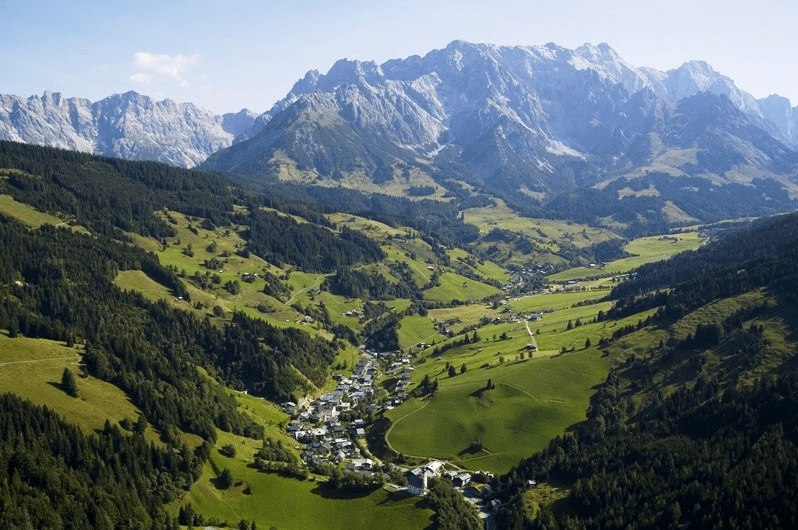
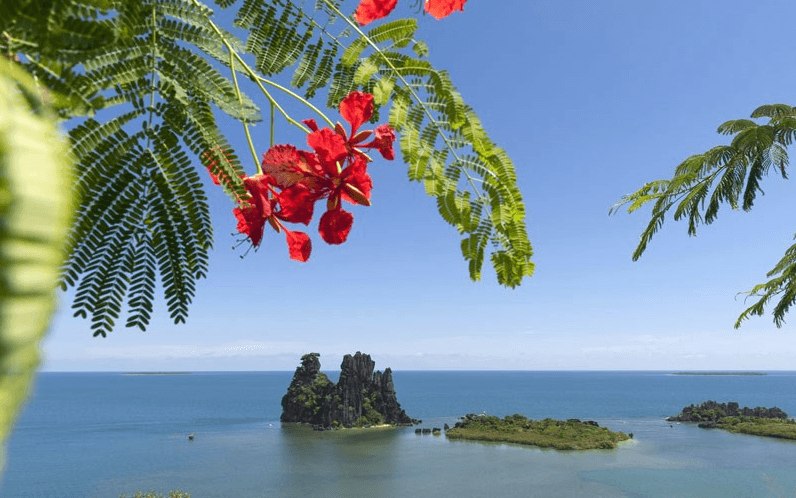
Nearly 40 GeoTours offer geocachers custom-crafted adventures in locations like the Islands of BermudaNew Caledonia or the Hochkönig region in Austria. And if you’re interested in a driving tour of North America, more than two dozen GeoTours provide unforgettable experiences.

Where will geocaching take you this year? Let us know in comments below.

THE HIGHKING CODE GeoTour
Passeport pour le Nord GeoTour
Bermuda Conservation GeoTour


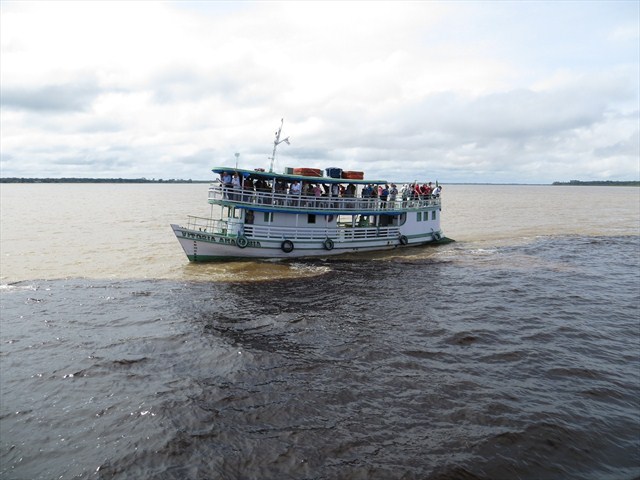
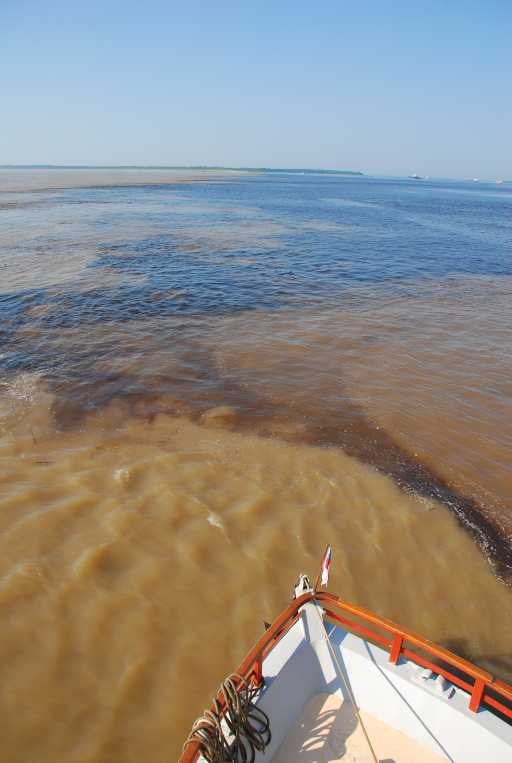
World Cup Caching! — The Meeting of Waters (GC3XGGT) — Geocache of the Week

Floating right over the meeting of the waters. Photo by geocacher moppel2009

Geocache Name:

The Meeting of Waters (GC3XGGT)

Difficulty/Terrain Rating:

2/2

Why this is the Geocache of the Week:

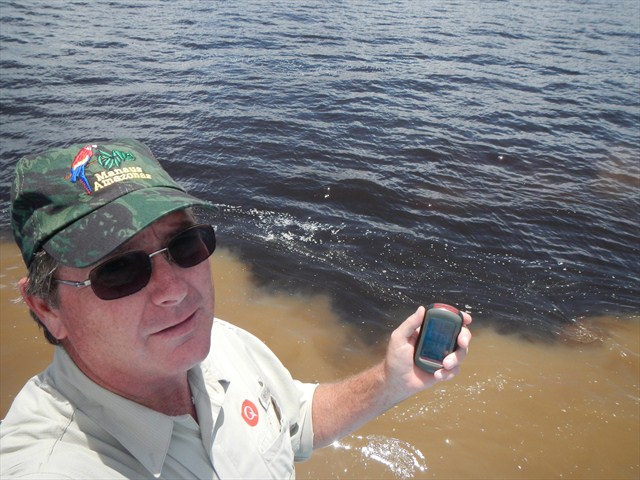
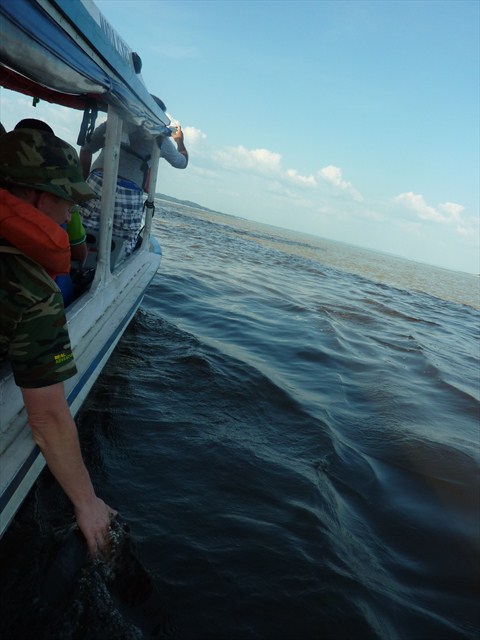
With much of the world in the grips of World Cup fever (Go USA!), we thought it would be a great time to show off some of the cool geocaches in Brazil. This week, we’re near the city of Manaus, where the soccer/football matches between England  &  Italy, Cameroon  &  Croatia, United States  &  Portugal, and Honduras  &  Switzerland will take place. For the fans visiting this area, finding this Earthcache is a must. At this location, the Amazon River and Rio Negro come together, creating an incredibly unique view of dark and light waters mixing together. If you’re lucky, you’ll even catch a glimpse of one of the pink dolphins that frequent the area.

What geocachers are saying:

“What a fun day! Took a tour with David Andrade’s Amazon Jungle Tours, filled small bottles with water from both rivers, swam with the pink dolphins, and more!” – molokaihuakai

“Very cool at this location! To me the darker water was colder today! Thanks for this earthcache!”  – bubbag04

“Cast away on an Amazonas Beach!!! Next Year we will come back… FIFA Wold CUP 2014!!! Thanks for the cache” – Günni Ka-Li

Photos:

Making the find. Photo by geocacher msstrong
Take a dip! Photo by geocacher Lieveheersbeestje
It looks like coffee to me. Photo by geocacher TheBraendlis

2-part question: What country are you rooting for in the World Cup and what’s your favorite geocache in that country? Tell us in the comments.

Continue to explore some of the most engaging geocaches around the globe. Check out all the Geocaches of the Week on the Geocaching blog.

If you would like to nominate a Geocache of the Week, leave a comment below with the name of the geocache, the GC code, and why you think we should feature it.

3 Reasons to Rediscover Your Home Coordinates


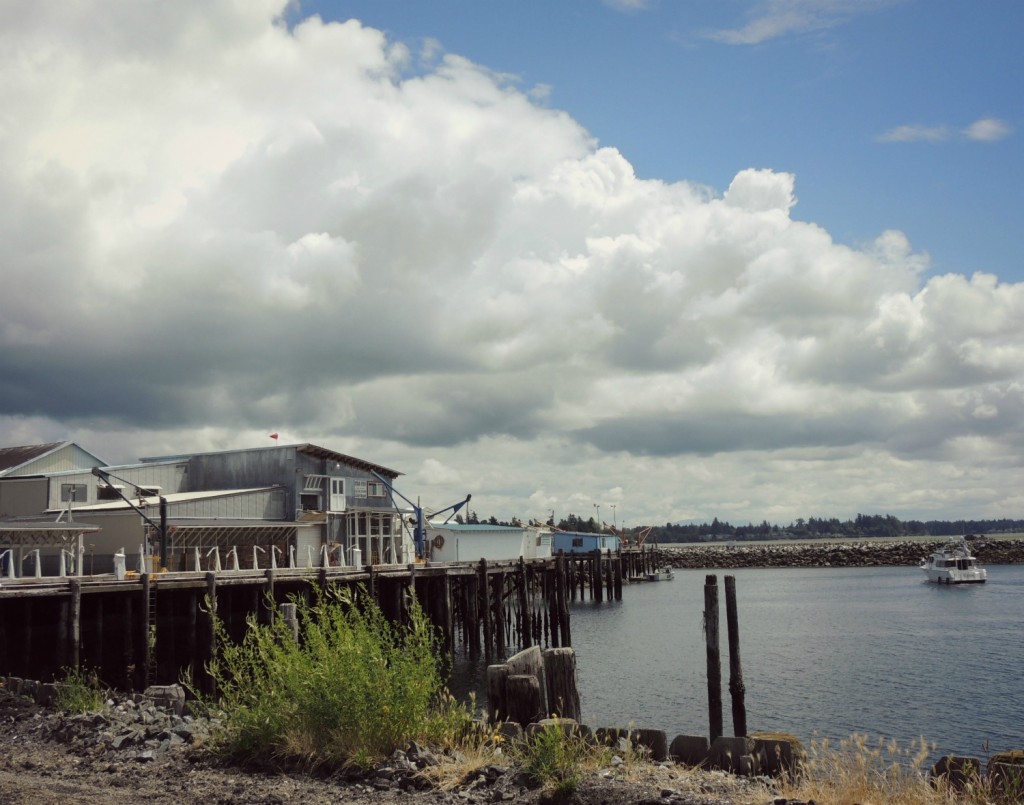
You might think this is an ordinary pier in Blaine, WA, but GC2VW16 is nearby.
You might think this is an ordinary pier in Blaine, but GC2VW16 is nearby.

You’ve read about geocaching in far off lands, on ships and mountains…even in space. Wild, exotic geocaching stories make the news so often, that sometimes they seem more common than, well, the commonplace.


But for once I’m tired of palaces and underground tunnels! I’m even tired of spaceships! We’re going geocaching in the most exciting place of all—this geocacher’s home coordinates.

The small town of Blaine is packed so tightly into the northwestern corner of Washington state that it looks like it’s hiding from the rest of the country. The town itself feels that way too—which is odd, considering a population of around 5,000 and the presence of two international border crossings. It doesn’t seem like the type of town where anything terribly exciting is likely to happen. I grew up in Blaine, so you’d think I would know.

Turns out, all it took was a weekend of geocaching in Blaine to completely derail my perspective.

Over the course of two days, my mom, dad, sister, and I made 15 finds and 4 DNFs. (For all you hard-core geocachers out there, stop your scoffing! These are impressive numbers. My 16-year-old sister had recently come into possession of her learner’s permit and was driving us for the very first time. For once I was appreciative of my town’s severely conservative speed limits.)

Those 15 finds were accompanied by three realizations about why my hometown was the best place I could possibly go geocaching—and why the same is probably true for you.

1)  Learning new things about old places

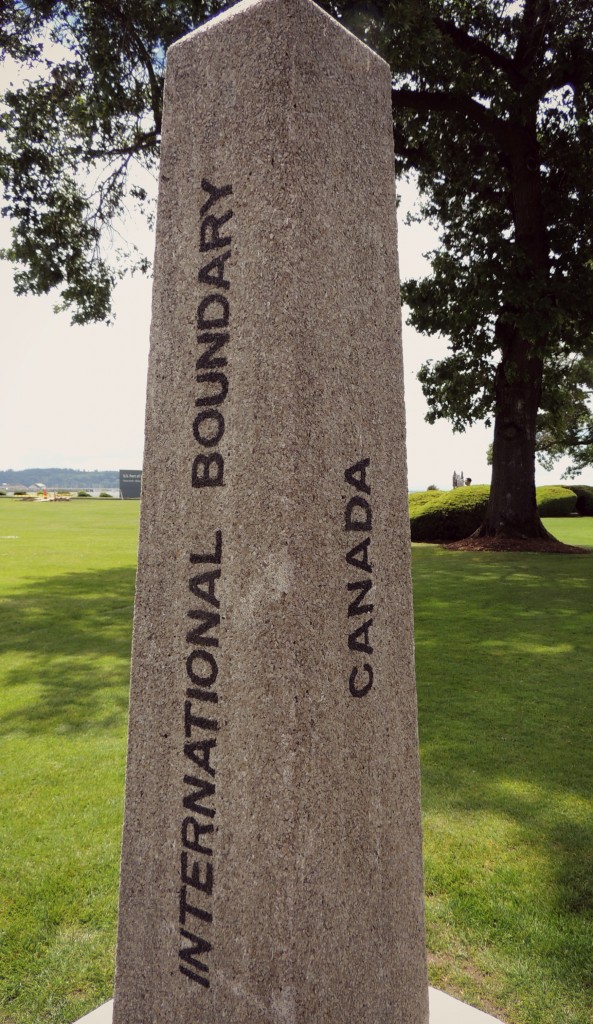
GCD65A, Canada, and the United States of America all share this area of land.

The Peace Arch (yes, there’s an actual arch) that stands on the international boundary between Blaine, Washington and Douglas, British Columbia, is supposedly one of the first earthquake-proof structures in North America. Had I not gone geocaching at the Peace Arch, it’s likely I would have continued to lose sleep over the fate of unsuspecting border-crossers in the event of an earthquake.

2)  Writing logs with a personal touch

It turns out writing a log for a geocache in a place you know is very different to writing a log for a geocache in a place that’s new to you. When caches take me to new places I find myself writing with much the same sentiment: “Beautiful spot! Never been here before, but now that I know it’s here…” And so on. In Blaine, I found myself adding my own memories of places to my logs. I wanted the CO’s to know that I too really loved this spot, because of that one time we jumped off this pier in the middle of winter…

3)  Revisiting old memories

Blaine is a small town. Spend fifteen years there and you’re bound to have a memory tied to every lamppost, street corner, and homeland security office. One geocache took me to the forest where I first met one of my best friends on a field trip. Another took me to the sewage treatment plant they built to replace the one near my house. Both good memories, happily re-lived in the name of geocaching.

So what’s the take-away here?

Blaine really is a lovely town, worth more than a drive through on your way to Vancouver or Seattle. Geocaching at home can be as rewarding an experience as something more fanciful and exotic. And, whoever decided that learning to drive at 16 makes sense clearly never met my sister.


What’s your geocaching at home story?


This is right between a sewage treatment center and GC3A175,