Alles Gute zum 20. Geburtstag, Geocaching!

Alles Gute zum 20. Geburtstag, Geocaching! Kannst Du glauben, dass Geocaching diese Woche 20 Jahre alt wurde? Wir können es auch kaum glauben! Seit am 3. Mai 2000 der erste Geocache versteckt wurde hat sich Geocaching ständig weiterentwickelt. Hier sind ein paar interessante Fakten und eine Zeitleiste der 20-jährigen Geschichte von Geocaching:

  • 2. Mai 2000: Oder wie Geocacher es nennen: Blue Switch Day (Tag des blauen Schalters). An diesem Tag veranlasst die Regierung der Vereinigten Staaten die Abschaltung der künstlichen Signalverschlechterung für GPS-Geräte der Zivilbevölkerung und ermöglicht damit eine zehnfache Verbesserung der Genauigkeit von GPS-Technologie.
  • 3. Mai 2000: Der erste “Geocache” wird versteckt. Aber der erste Geocache wurde gar nicht Geocache genannt, sondern “GPS Stash”. Obwohl der Originalcache nicht mehr an diesem Ort zu finden ist, gibt es dort eine Plakette, die seinen Ort markiert und eine Dose mit einem Logbuch für Besucher. Sieh Dir dieses Video über Lackeys, auf ihrem Weg zur Plakette an.
  • 2. September 2000: Geocaching.com wird eingeführt. Auf der Webseite sind weltweit 75 Geocaches gelistet.
  • 30. August 2001: Der erste Travel Bug® wird von Geocaching.com Co-Gründer Jeremy freigesetzt. TB1 ist eine Gummiente mit dem Namen “Deadly Duck: Envy” (Tödliche Ente: Neid).
  • 30. September 2001: Geocacher Moun10Bike legt die zweite Geocoin in einen Cache in der Nähe des Deception Pass in Washington. Er behält die erste Geocoin in seiner persönlichen Sammlung.
  • 27. Mai 2000: Das erste Mega-Event ist GeoWoodstock 4 (GCRRC6) in Texas.
  • 31. Dezember 2007: Geocaching.com erreicht 500.000 aktive gelistete Geocaches.
  • 8. März 2010: Geocaching.com erreicht 1 Million aktive gelistete Geocaches!
  • 4. Juli 2010: Das erste Souvenir erscheint und wird beim Geowoodstock VIII Mega-Event vergeben.
  • 26. Februar 2013: Auf Geocaching.com sind 2 Millionen aktive Geocaches gelistet. Sieh die Infografik an.
  • 13. September 2013: Der erste Travel-Bug tritt seine Reise zur ISS an.
  • 17. August 2013: Bei der Geocaching Block Party (GC3X684) findet das erste GIFF-Event statt.
  • 16. August 2014: Project MUNICH2014 (GC4K089) in München ist das erste Giga-Event
  • 18. April 2017: Geocaching erreicht 3 Millionen aktive Geocaches weltweit. Sieh die Infografik an.
  • 3. Mai 2020: Es gibt derzeit mehr als 3,1 Millionen aktive Geocaches auf Geocaching.com. In fast allen Ländern dieser Welt ist ein Geocache versteckt!
  • 3. Mai 2025: Der erste Geocache wird auf dem Mars platziert. Damit wird der 25. Geburtstag von Geocaching gefeiert.

Okay, der letzte Punkt ist nicht wahr – es könnte aber noch wahr werden! Was denkst Du – wie wird sich Geocaching in den nächsten 5, 15 und 25 Jahren verändern? Teile Deine Gedanken in den Kommentaren.

Joyeux 20ème anniversaire, géocaching !

Est-ce que vous réalisez que le géocaching a fêté ses 20 ans cette semaine ?
Nous non plus ! Le géocaching a fait un sacré bout de chemin depuis que la première géocache a été placée le 3 mai 2000. Voici quelques faits amusants ainsi qu’une chronologie de l’histoire des 20 dernières années du géocaching :

  • 2 mai 2000 : ou comme les géocacheurs l’appellent, le Blue Switch Day – Jour du Bouton Bleu. C’est en fait le jour où le gouvernement américain a retiré l’accessibilité sélective sur les récepteurs GPS civils, améliorant ainsi la précision de la technologie GPS par dix.
  • 3 mai 2000 : la première “géocache” est placée. Cela dit, la première géocache ne portait pas du tout le nom de géocache, mais une “planque GPS.” Bien que la géocache originale n’est plus en place, il y a une plaque en lieu et place ainsi qu’un contenant physique avec un logbook que les visiteurs peuvent signer. Visionnez la vidéo des Lackeys visitant la plaque !
  • 2 septembre 2000 : Lancement de Geocaching.com. Le site dénombre 75 géocaches dans le monde entier.
  • 30 août 2001 : le premier Travel Bug® est lancé par le co-fondateur de Geocaching.com, Jeremy. TB1 est un canard en plastique appelé “Deadly Duck: Envy.“
  • 30 septembre 2001 : Moun10Bike place le deuxième géocoin dans une cache près du détroit de Deception Pass, dans le Washington. Il a gardé le premier géocoin dans sa collection personnelle.
  • 27 mai 2006 : le premier Mega-Event est GeoWoodstock 4 (GCRRC6), au Texas.
  • 31 décembre 2007 : Geocaching.com atteint 500 000 caches actives.
  • 8 mars 2010 : Geocaching.com atteint 1 million de géocaches actives !
  • 4 juillet 2010 : le premier souvenir est créé et décerné lors du Mega-Event Geowoodstock VIII.
  • 26 février 2013 : 2 millions de géocaches actives sont référencées sur Geocaching.com à travers le monde ! Voir l’infographie.
  • 13 septembre 2013 : le premier Travel Bug atteint l’espace dans la Station Spatiale Internationale.
  • 17 août 2013 : le premier GIFF event a lieu lors de la Geocaching Block Party (GC3X684).
  • 16 août 2014 : le premier Giga-Event est Project MUNICH2014 (GC4K089) en Allemagne
  • 18 avril 2017 : le Géocaching atteint les 3 millions de géocaches actives dans le monde ! Voir l’infographie.
  • 3 mai 2020 : il y a actuellement 3,1 millions de caches référéncées sur Geocaching.com et elles sont dissimulées dans presque tous les pays du monde !
  • 3 mai 2025 : la première géocache est placée sur mars pour commémorer le 25ème anniversaire du géocaching.

Bon ok, ce n’est probablement pas vrai — mais pourquoi pas ! Comment pensez-vous que le géocaching va évoluer dans les 5, 15, 25 prochaines années ? Partagez vos idées dans les commentaires ci-dessous !

Geocache of the Week Flashback Edition: Namib Desert, Namibia (GC14W63)

EarthCache
GC14W63
by Mausebiber
Difficulty:
2.5
Terrain:
2
Location:
Namibia
S 24° 44.400 E 015° 17.310

As we look back on twenty years of geocaching history, we’ve decided to revisit some of our favorite Geocache of the Week candidates from years past.

This week we’re looking back to October 2015, when we featured Namib Desert, Namibia (GC14W63). After being hidden in 2007, this EarthCache is still ready to educate and inspire courageous desert adventurers.

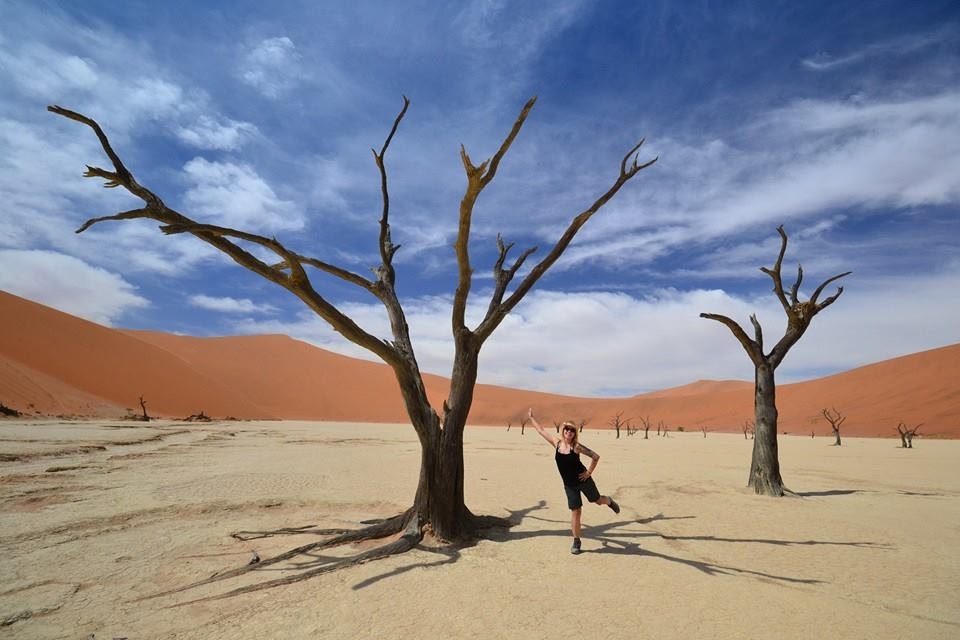
Photo by pfitschipfeil.

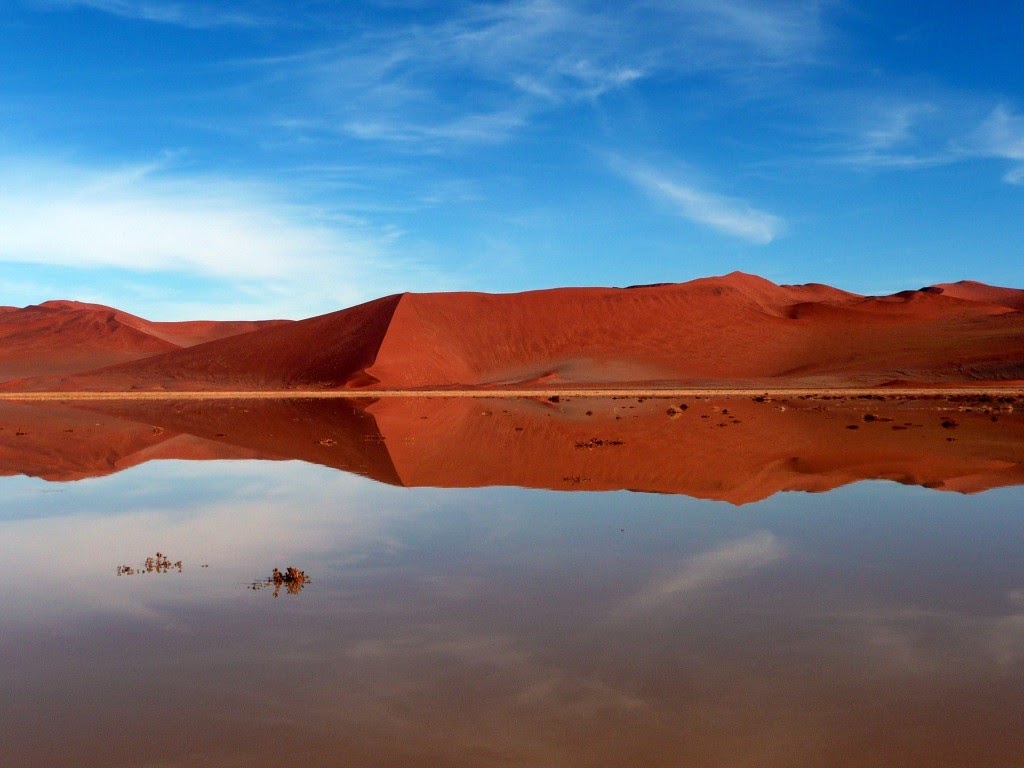
This sprawling desert is home to towering dunes of fine, sunset-orange sand. The colors of the dunes are like rings in the trunks of trees: a telltale sign of age. A brighter and more rusted colored appearance signifies an older dune due to the oxidation of the minerals within them. Southerly winds sculpt the geological features to have razor-sharp ridges and heights that are record-shattering. This EarthCache encourages cachers to question why and how this landscape continues to be an awe-inspiring destination.

Photo by giddo.

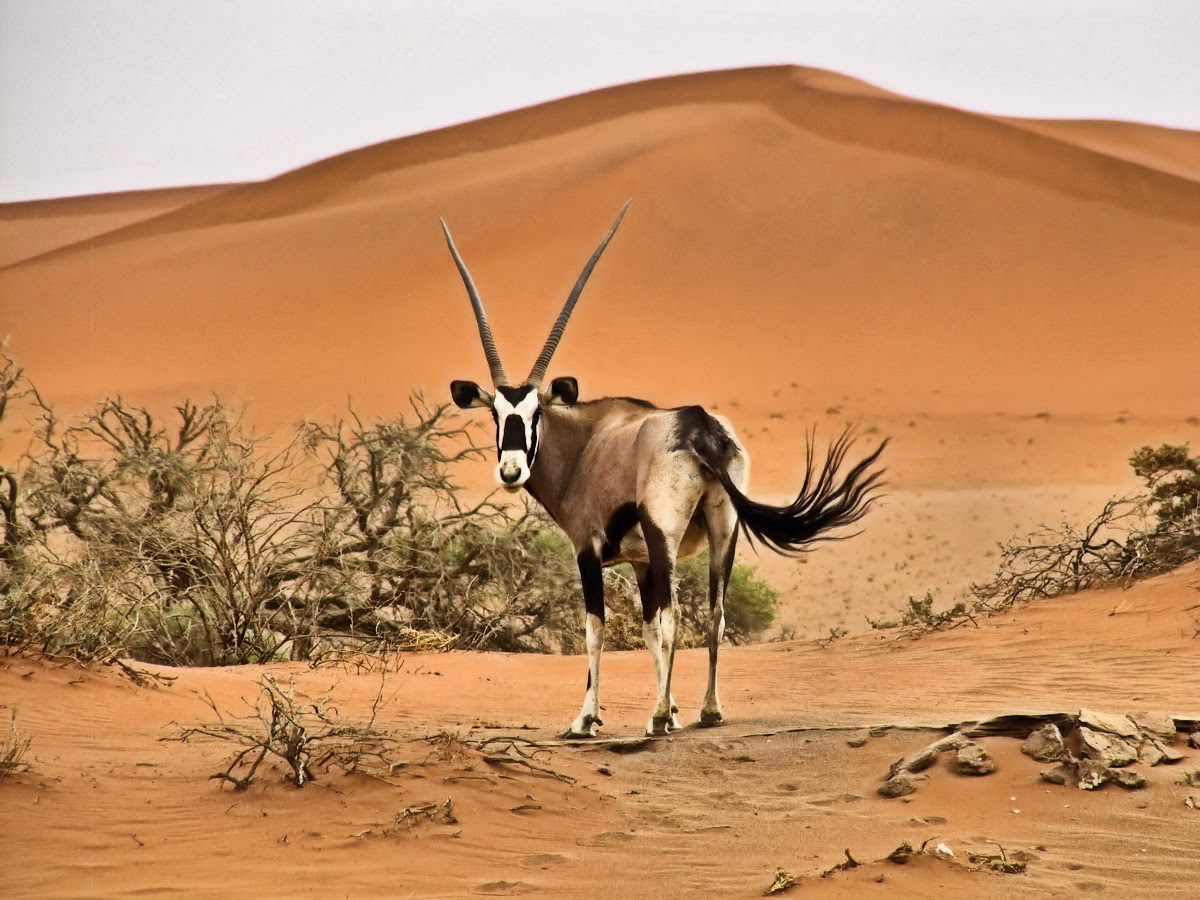
To get credit for this EarthCache, cachers must answer questions about the shapes of these asymmetrical mounds of sand, the flora in the area, and various categories of deserts. Although some factors may limit your ability to travel to Namibia, reading the incredibly well-crafted cache page will transport you and educate you on surprising facts about the Namib Desert. For example, here at HQ we were surprised to learn that the Namib Desert has a highly unpredictable annual rainfall. It can receive anywhere from 5 millimeters in the west to about 85 millimeters along its eastern limits. 

Image by Laponia.

Seeing these remarkable features is on a to-do list for many adventurers, but these amalgamations of sand have been around for a long time and will always be there waiting for you. Just like us, these dunes are slowly impacted by time and elements beyond their control. They shift, they change, and they even grow. Although a situation or environment may look barren, there is always an opportunity for life and something to learn. Geocachers can learn the silent strength of resilience from GC14W63. Standing high above a sea of orange, cachers will get their just “deserts.”